What does “sega us” mean?
What it means
"Sega US" designates video games manufactured and released specifically for the Sega console market operating within the United States. This is a regional designation, not a quality marker. The mainstream equivalent is simply "North American release." The primary difference from other regions (e.g., NTSC-J for Japan, PAL for Europe) lies in language localization, specific artwork variations, and sometimes hardware compatibility differences, though the latter is less common for standard cartridge releases. For collectors, the US release dictates the target demographic and the specific aesthetic presentation of the item.
What it does to price
Regional designation introduces variability, but for standard, non-limited titles, the difference between a US and a Japanese release is usually minor unless one region is significantly rarer. A complete-in-box (CIB) US copy of a sought-after title can command 1.2x to 2x the price of a loose copy. If the US version features unique, highly desirable artwork or an exclusive regional bonus, this multiplier can increase significantly, sometimes reaching 3x or more over a standard loose copy. Conversely, if the US release was a low-run, poor-quality print run, the value may be depressed by 10-20% compared to standard releases.
How to spot it
The primary identifier is the region code, typically visible on the back of the game cartridge or the disc itself. For Sega Genesis/Mega Drive titles, the code is often "NTSC-U" or "USA." For later consoles, check the manual's copyright page or the box's UPC/EAN barcode region indicator. Sellers must provide clear photos of the cartridge label and the back of the box. Common mistakes include misidentifying a region-free import as a genuine US release. Fakes are rare for standard releases but can appear in high-demand titles; check for blurry text or incorrect font usage on the manual.
Buying smart
Paying a premium for a "Sega US" designation is justified when the specific regional artwork is desired or when the game is known to be significantly harder to find in that specific market (i.e., a true rarity). It is not worth paying a major premium for a common title where the regional difference is purely cosmetic. A fair deal involves the asking price reflecting the item's overall condition *plus* a modest regional premium (typically 15-30% above the loose equivalent) if the box is present and complete. If the premium is over 50% for a common title, further inspection of the packaging quality is required.
Selling smart
Proving the regionality adds immediate clarity to the listing, which attracts specific buyers. Listing the region explicitly (e.g., "Sega Genesis US Release") prevents buyer confusion and reduces return rates. The single most effective element to earn the premium is a high-resolution, well-lit photograph of the region code clearly visible on the cartridge or disc. Furthermore, including the specific title's US release year, if known, adds verifiable data that supports a higher asking price.
On eBay right now
Current asking prices from live listings — not sold-comp medians.


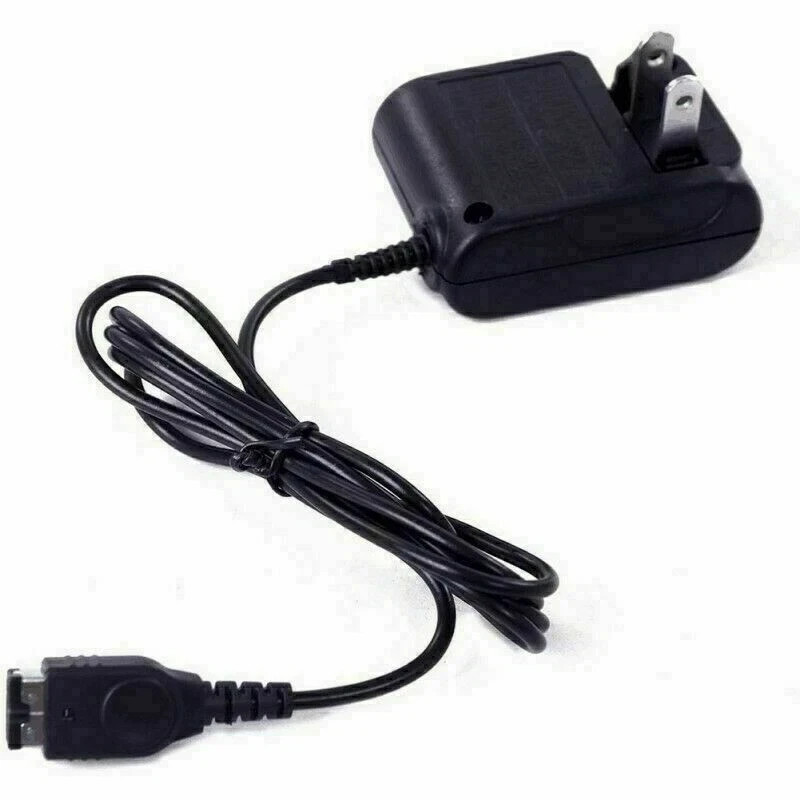


eBay links are affiliate links: JunkPal may earn a commission at no cost to you.
Resale values related to sega us
Shop sega us on eBay ↗
![Superman [Tele Games Picture Label]](/api/images/junkpal-products/games/superman-tele-games-picture-label-atari-2600-price/img0/thumb.webp)

![Hyrule Warriors [Limited Edition]](/api/images/junkpal-products/games/hyrule-warriors-limited-edition-wii-u-price/img0/thumb.webp)

JunkPal may earn a commission when you buy through eBay links, at no extra cost to you.
What’s worth the most
Ranked on medians of real closed eBay sales, not asking prices.