What does “run number” mean?
What it means
A run number is a sequential identifier assigned during the manufacturing or production process of a specific video game unit. It is not the same as a serial number, which tracks distribution; the run number tracks the production batch. This number signifies which specific manufacturing wave the game belongs to. For collectors, it acts as a provenance marker. Variations in these numbers often correlate directly to production changes—such as shifts in packaging suppliers, component revisions (e.g., cartridge ROM versions), or regional manufacturing plants. It is a tangible data point that helps differentiate between standard retail stock and specific, potentially rarer, production samples.
What it does to price
The presence of a verifiable, desirable run number can create significant price stratification. A standard, high-volume run number will not affect the price beyond typical condition grading. However, numbers associated with early production runs, test batches, or specific limited-print runs can act as a multiplier. A CIB (Complete In Box) copy with a confirmed early run number might fetch 1.5x to 3x the price of a standard CIB copy in similar condition. Conversely, a run number known to be associated with a later, low-quality production batch can depress the value by 10-20%. For example, a standard copy might sell for \$150; the same copy with a verified "Alpha Batch" run number could command \$250.
How to spot it
Run numbers are rarely standardized across all publishers. They can appear in several locations: etched subtly onto the plastic casing of the cartridge, printed on the interior flap of the manual, stamped on the outer box seam, or sometimes within the game’s internal code structure (though this is advanced). Sellers must provide high-resolution images of these specific areas. Common mistakes include confusing a date code (which tracks when the item was shipped) with a production run number. Fakes sometimes replicate packaging but omit or alter these subtle identifiers. If the number looks stamped or etched rather than cleanly printed, it warrants closer inspection.
Buying smart
Paying a premium based on a run number is only justifiable when the number is documented as belonging to a known, scarce production variant. If a seller claims a rare run number without providing verifiable photographic evidence cross-referenced with established collector guides, the premium is speculative risk. A fair deal involves the seller providing clear, close-up photos of the number and a reference to the known rarity tier. If the number is obscure or undocumented, the purchase should be treated as a standard market transaction, regardless of the seller’s claims.
Selling smart
Proving the existence and significance of a run number transforms a listing from a general sale into a specialized offering. The single most effective element in a listing is a high-resolution, well-lit photograph explicitly showing the run number in context (e.g., the number next to the copyright date). Adding a brief, factual statement like, "Verified Early Production Run #001-500" immediately signals expertise and rarity to serious buyers, allowing the seller to command the higher tier of pricing associated with that specific production batch.
On eBay right now
Current asking prices from live listings — not sold-comp medians.


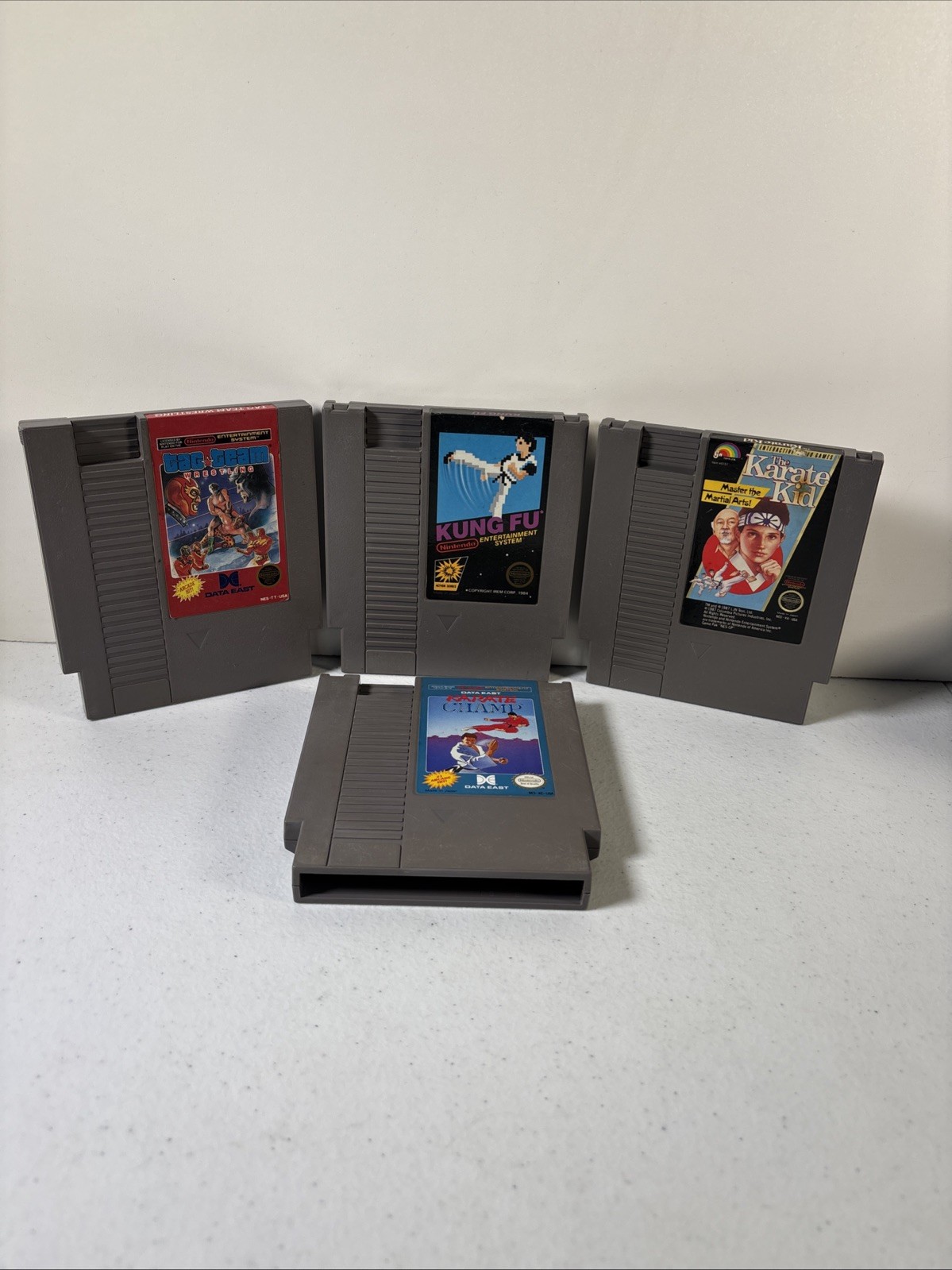


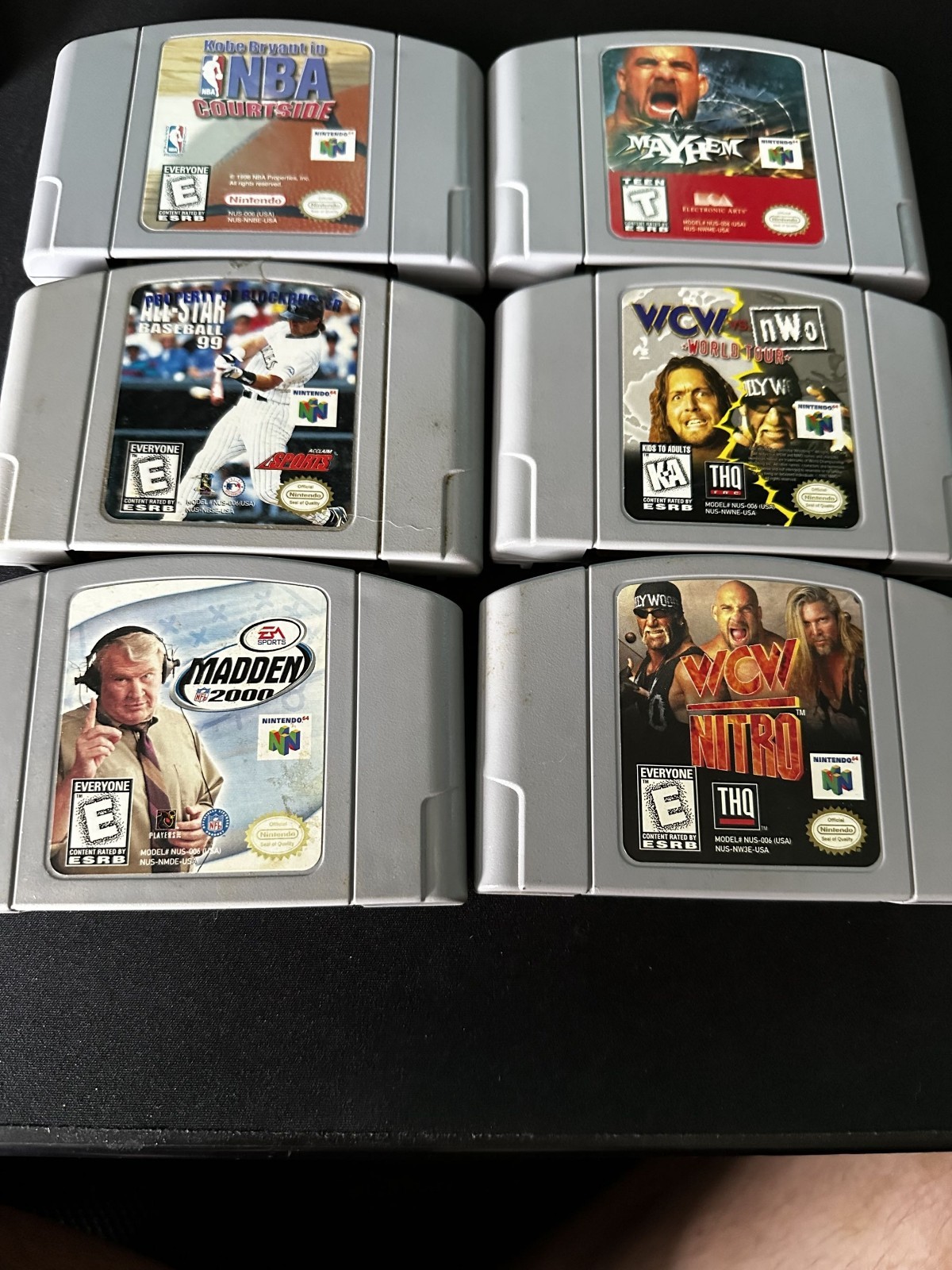
eBay links are affiliate links: JunkPal may earn a commission at no cost to you.
Resale values related to run number
Shop run number on eBay ↗![Gris [Signature Edition]](/api/images/junkpal-products/games/gris-signature-edition-nintendo-switch-price/img0/thumb.webp)
![Nintendo Campus Challenge 1991 [Reproduction]](/api/images/junkpal-products/games/nintendo-campus-challenge-1991-reproduction-nes-price/img0/thumb.webp)
![Secret Scout [Blue]](/api/images/junkpal-products/games/secret-scout-blue-nes-price/img0/thumb.webp)


JunkPal may earn a commission when you buy through eBay links, at no extra cost to you.
What’s worth the most
Ranked on medians of real closed eBay sales, not asking prices.