What does “rights holder” mean?
What it means
The rights holder is the legal entity—usually the game publisher or the original developer—that possesses the intellectual property (IP) rights for the video game. This encompasses the copyright over the code, the trademark over the title and characters, and the licensing agreements for all included assets. In the collecting niche, this is not merely a corporate name; it is the guarantor of authenticity. A game’s value is fundamentally tied to its provenance from the legitimate rights holder. If the IP is pirated, unlicensed, or produced by a third party without permission, the item is counterfeit or unauthorized, regardless of its physical state.
What it does to price
Authenticity, verified by the rights holder, provides a baseline value floor. A CIB (Complete In Box) copy from a known, legitimate rights holder typically fetches 1.5x to 3x the price of a loose copy in good condition. Unauthorized or bootlegged versions, even if physically perfect, can see their value drop by 70-95% because they lack legal backing. Conversely, if a rights holder releases a highly sought-after "Deluxe Edition" or a definitive re-release, that specific variant commands a premium of 50-100% over standard releases due to official endorsement. A single, clear logo mismatch on the box can reduce perceived value by $15-$30 for mid-tier collectibles.
How to spot it
Verification relies on cross-referencing packaging details. Check the copyright notice on the manual or box insert; it must list the correct legal entity. Look for specific edition markers or SKU numbers that match known official releases from the rights holder. Common tells of fakes include blurry logos, inconsistent font usage on the box art, and missing required legal disclaimers. For suspected items, request high-resolution photos of the back of the box, the UPC/barcode, and any licensing seals. Honest mistakes sometimes involve regional variations where a minor publisher imprint is used for local distribution, but the core IP remains the same.
Buying smart
Paying a premium is justified when the game is a highly desirable, established IP (e.g., Nintendo, Capcom) and the rights holder is clearly verifiable on the packaging. This premium covers the assurance of authenticity and the potential for official future support (like patches or collector’s editions). Avoid paying top dollar for obscure titles where the rights holder is unclear or unknown, as the risk of encountering an unlicensed knock-off is higher. A fair deal involves the asking price being within 15% of the established market average for verified, genuine copies.
Selling smart
Proving the rights holder is the primary driver of maximum sale price. Buyers pay significantly more for documented legitimacy. The single most effective element in a listing is a clear, high-resolution photo of the copyright page or the official publisher logo on the box flap. Stating "Authentic, verified by [Rights Holder Name]" in the title or description immediately elevates the listing from a generic sale to a verified collectible transaction, often commanding a 10-20% premium over unverified listings.
On eBay right now
Current asking prices from live listings — not sold-comp medians.


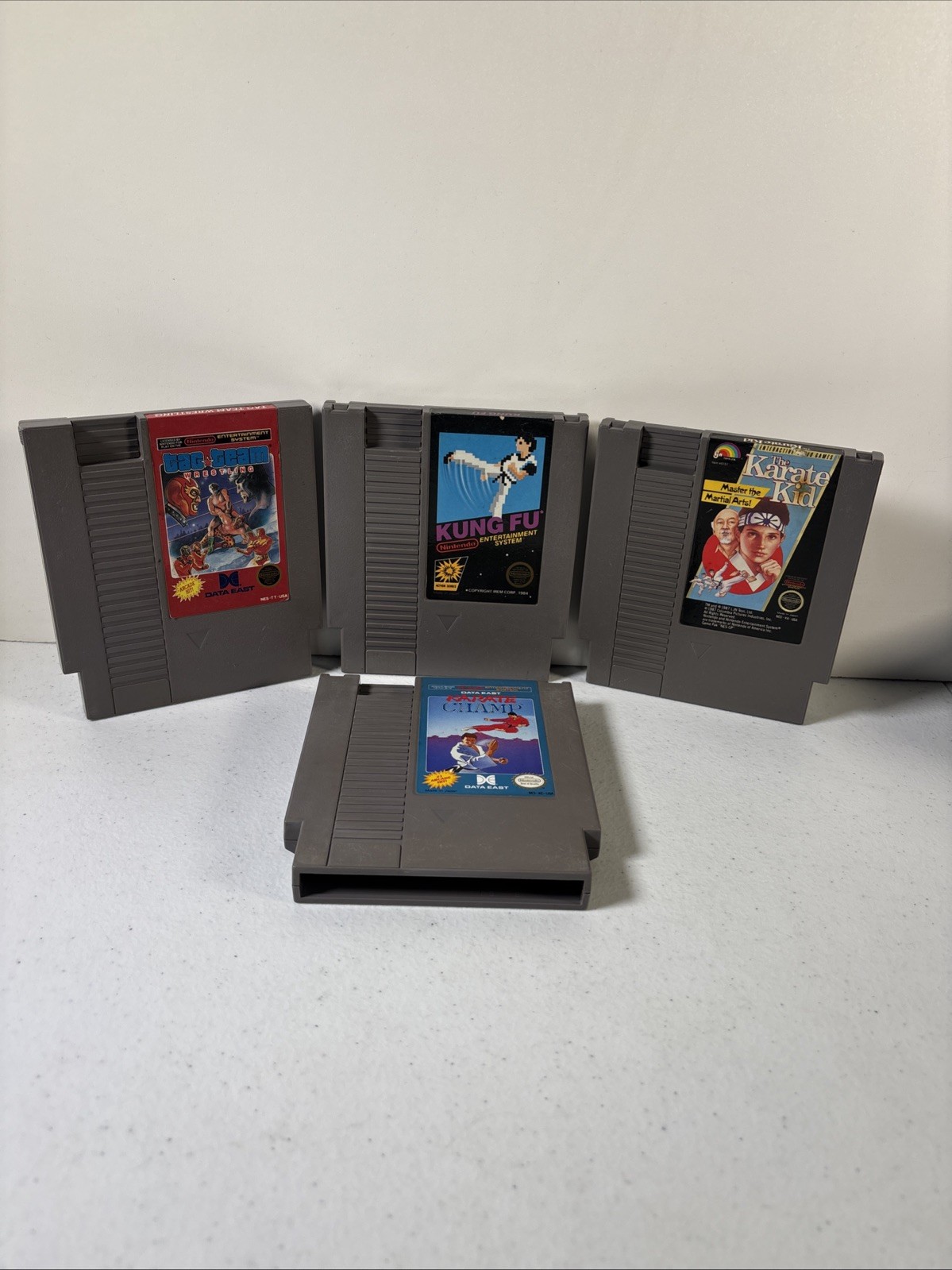


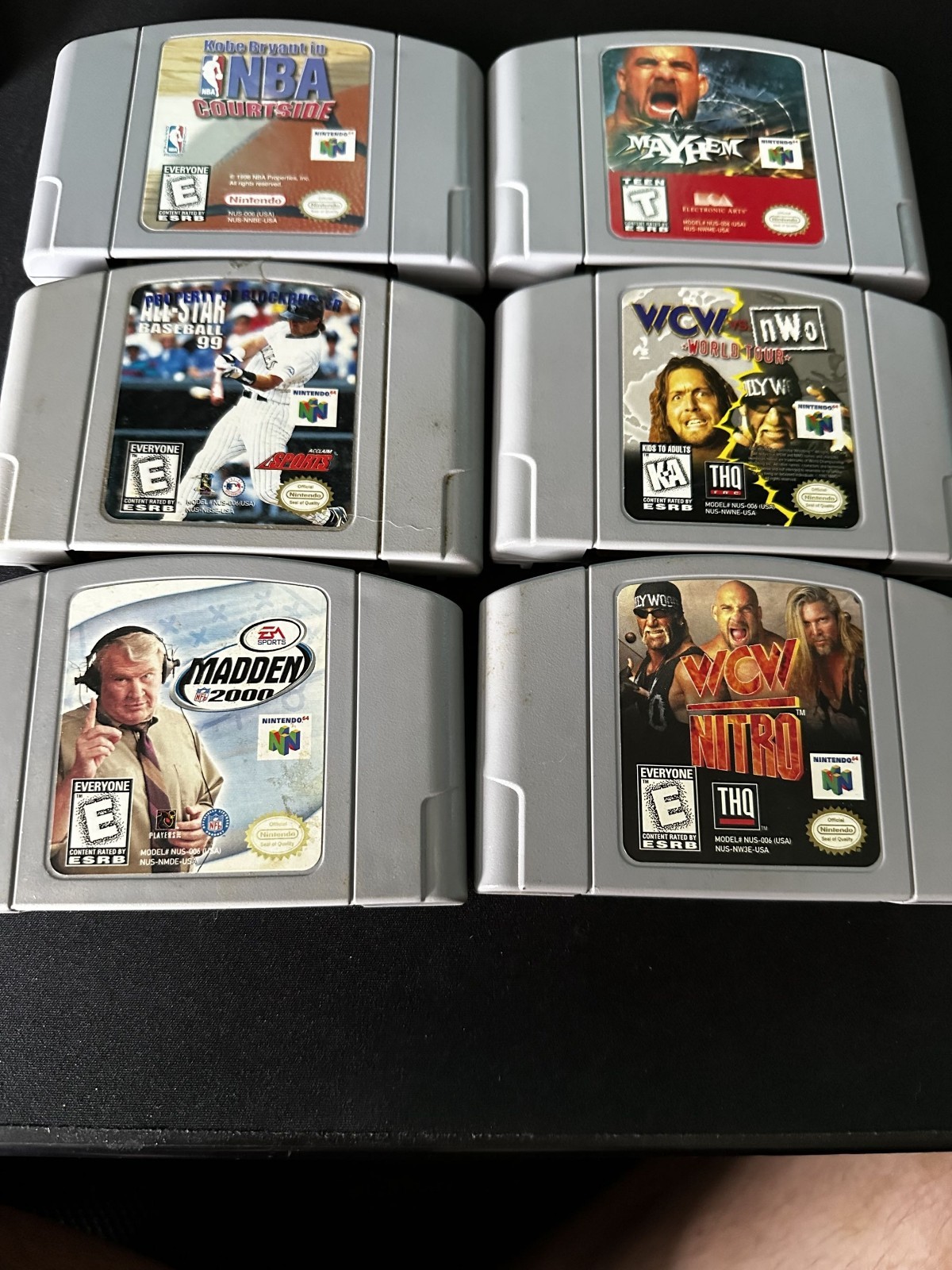
eBay links are affiliate links: JunkPal may earn a commission at no cost to you.
Resale values related to rights holder
Shop rights holder on eBay ↗![Elden Ring [Premium Collector's Edition]](/api/images/junkpal-products/games/elden-ring-premium-collector-s-edition-playstation-4-price/img0/thumb.webp)

![PlayStation 4 Development Kit [DUH-D7000AA]](/api/images/junkpal-products/games/playstation-4-development-kit-duh-d7000aa-playstation-4-price/img0/thumb.webp)

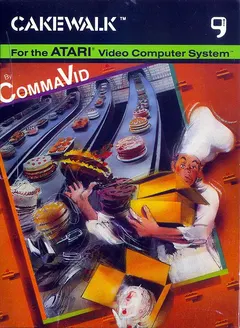
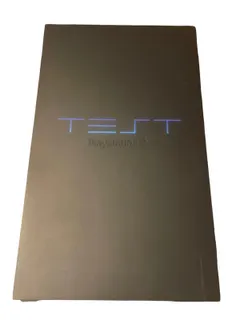
JunkPal may earn a commission when you buy through eBay links, at no extra cost to you.
What’s worth the most
Ranked on medians of real closed eBay sales, not asking prices.