What does “retro-console” mean?
What it means
A retro-console is a vintage video game system, generally defined as hardware released prior to the mid-1990s. This category encompasses systems like the NES, Sega Master System, or Atari 2600. The term refers to the physical console unit itself, not necessarily the games. The value is driven by historical significance and nostalgic demand. The core components are the main unit, power supply, and original controllers. Drift occurs when sellers confuse the console with its software library; a console's value is distinct from its game collection value.
What it does to price
Condition dictates value multipliers. A fully functional, complete-in-box (CIB) unit typically fetches 1.5x to 4x the price of a loose, non-working unit. Minor cosmetic wear (light scratching on plastic) might reduce value by 10-20%. Missing original manuals or controllers can cause a 25-50% drop in price compared to a complete set. A rare regional variant (e.g., a PAL vs. NTSC version of a specific console) can introduce a 100%+ premium if demand for that specific variant is established. For example, a standard NES in good shape might sell for $150 loose, but a verified, rare Japanese variant could command $500+.
How to spot it
Identifying a genuine retro-console requires checking manufacturing identifiers. Look for specific serial number ranges or production date stamps on the console chassis, which can be cross-referenced with known production timelines for that model. Sellers must provide clear, high-resolution photos of the back panel and any visible stickers. Common honest mistakes involve confusing later revisions of a console (e.g., NES v2 vs. v3) which carry different values. Fakes often involve modern reproductions using vintage shell casings; these lack internal period-correct components and will be identifiable via internal inspection photos.
Buying smart
Paying a premium is justified when the console is CIB, fully tested, and comes with verifiable provenance (proof of origin or purchase). This is necessary for high-value, rare, or mint-condition examples. Paying a high premium for a loose, untested unit is risky; the buyer assumes the cost of repair or functional testing. A fair deal for a common, working model is usually within 10-20% of the established market average for that condition. If the asking price exceeds 50% of the documented average without exceptional condition or rarity, further due diligence is required.
Selling smart
Listing details directly impact the buyer's perception of risk. Stating the console is "Tested and Working" immediately removes the largest barrier to purchase for most collectors, often justifying a 15-25% price increase over an "As-Is" listing. Photographing the console powered on, displaying a known working title screen, provides undeniable proof of functionality. The single most valuable word in a listing is "Original," applied to the box, manual, or controller, as this signals completeness and authenticity to serious bidders.
On eBay right now
Current asking prices from live listings — not sold-comp medians.


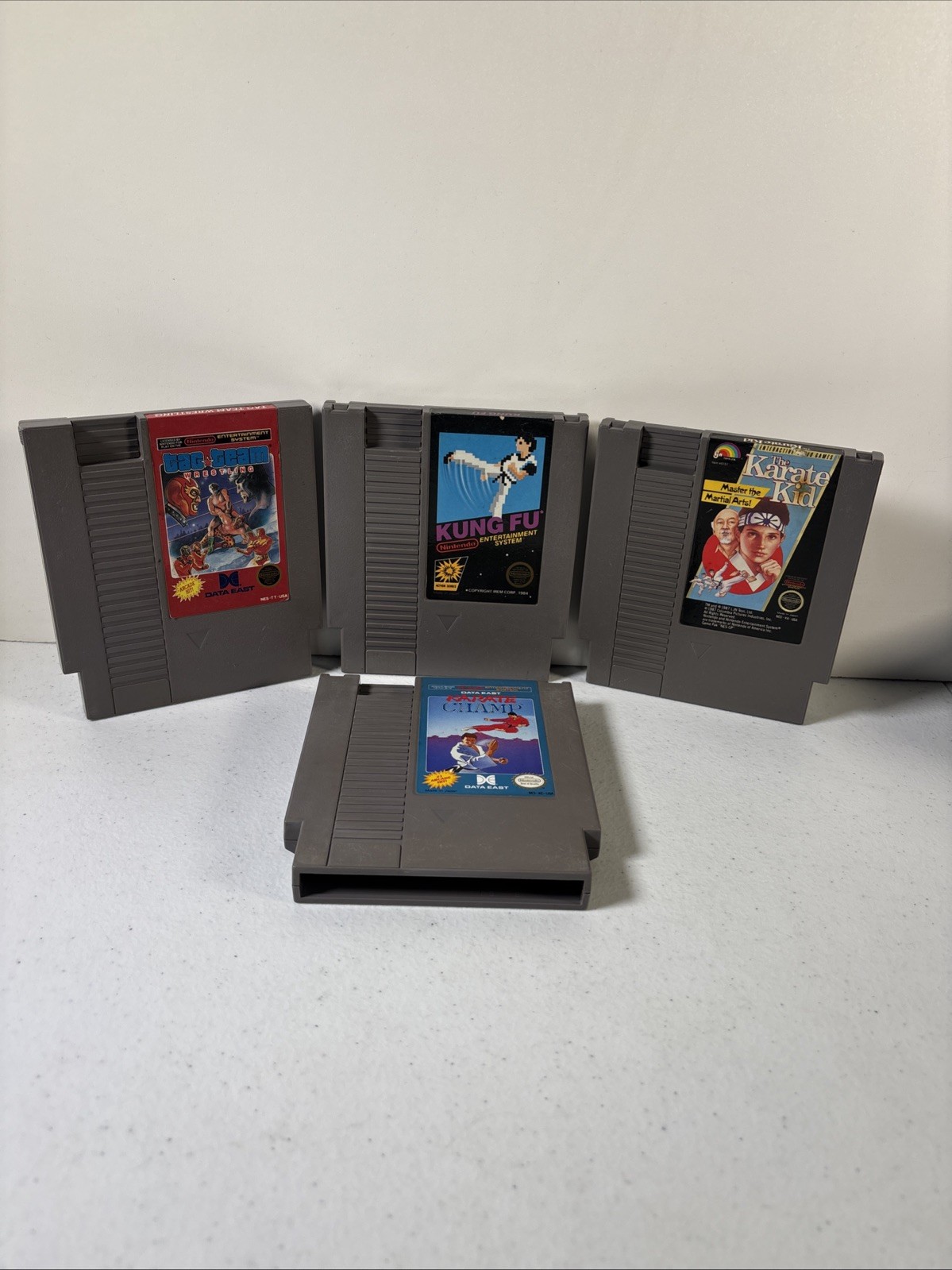


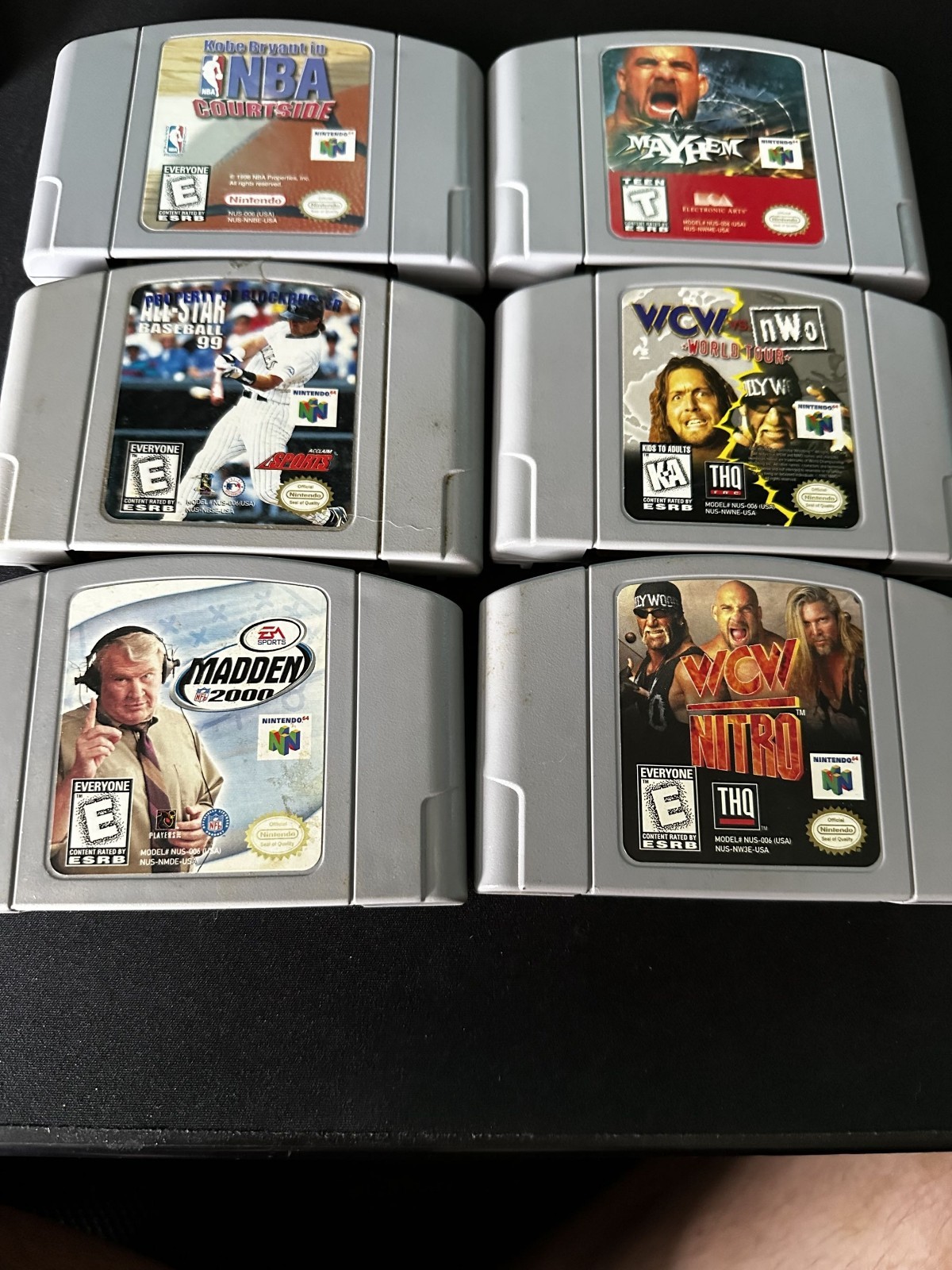
eBay links are affiliate links: JunkPal may earn a commission at no cost to you.
Resale values related to retro-console
Shop retro-console on eBay ↗




JunkPal may earn a commission when you buy through eBay links, at no extra cost to you.
What’s worth the most
Ranked on medians of real closed eBay sales, not asking prices.