What does “retro aesthetic” mean?
What it means
"Retro aesthetic" in the video game collecting niche refers to the deliberate emulation of graphical limitations and design sensibilities from past hardware generations. This is not merely "old"; it is the intentional application of visual tropes—such as 8-bit sprite scaling, limited color palettes, chunky pixelation, or early low-poly 3D geometry—to contemporary products. The mainstream equivalent is "nostalgia design." This aesthetic is a design philosophy, not a specific product type. It applies equally to modern indie games that adopt an NES look, or to modern console peripherals designed to mimic original hardware shells.
What it does to price
The aesthetic acts as a demand driver, creating a dedicated, often higher-spending, nostalgia buyer segment. For modern merchandise (e.g., a modern controller shell designed to look like a SNES controller), a strong retro aesthetic can command a 1.2x to 2x premium over a generic, unstyled modern equivalent. If the item is a genuine piece from the era being referenced (e.g., an original NES), the aesthetic is inherent, and condition dictates value, often seeing CIB copies fetch 2x to 5x loose copies depending on rarity. A poorly executed or cheap imitation of the aesthetic will typically sell at a discount, sometimes 20-30% below market rate for comparable functional items.
How to spot it
The tells depend on the product. For software, look for specific aspect ratios, sprite animation fluidity, and color dithering patterns matching the target hardware (e.g., Commodore 64 vs. Game Boy). For hardware or packaging, look for specific font families, box art composition, and the presence of era-specific legal disclaimers or logo treatments. A common honest mistake is confusing "pixel art" (a technique) with "retro aesthetic" (a holistic design choice). Fakes often fail in the subtle details, such as the precise shade of gray used in early console plastic or the specific scanlines on emulated displays.
Buying smart
Paying a premium for a retro aesthetic is worthwhile when the item is high quality, authentically executed, or represents a rare piece of history that *defines* that aesthetic era. If a modern item uses the aesthetic but is functionally mediocre or cheaply made, the premium is unwarranted. A fair deal involves the price reflecting the *execution* of the aesthetic, not just the concept. If a $50 item looks like a cheap knock-off, it is overpriced. If a $150 item perfectly captures the look of a rare 1992 console accessory, the price is justifiable.
Selling smart
Listing must explicitly define the aesthetic being referenced. Instead of "Old Style Controller," use "NES-Style Controller" or "8-Bit Inspired Peripheral." This immediately qualifies the buyer. The single most effective element to earn the premium is clear documentation of the *intent*. For modern items, a photo showing the item next to a genuine piece of the referenced era (e.g., placing a modern replica next to an actual NES) validates the aesthetic connection and justifies the higher price point.
On eBay right now
Current asking prices from live listings — not sold-comp medians.


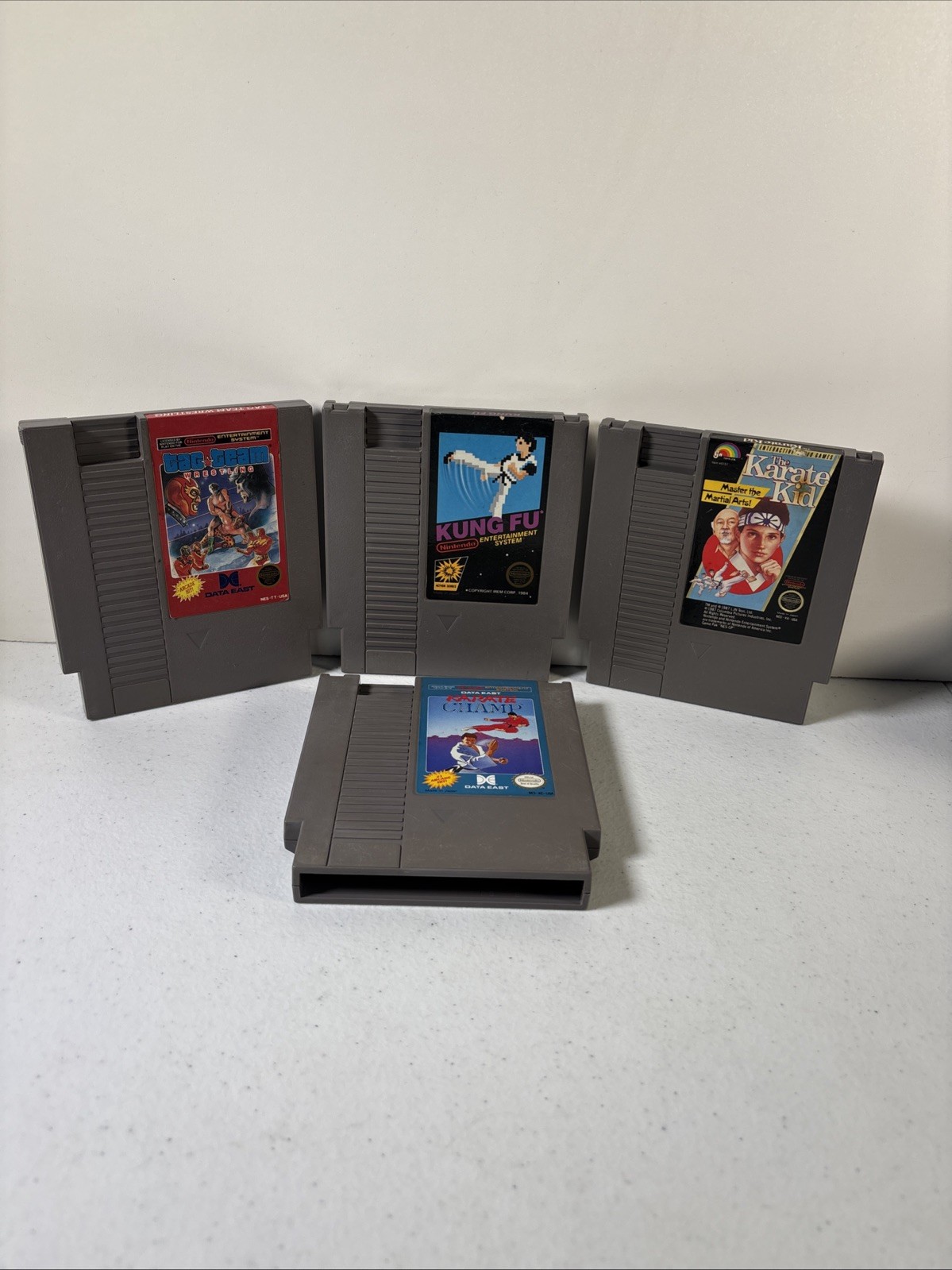


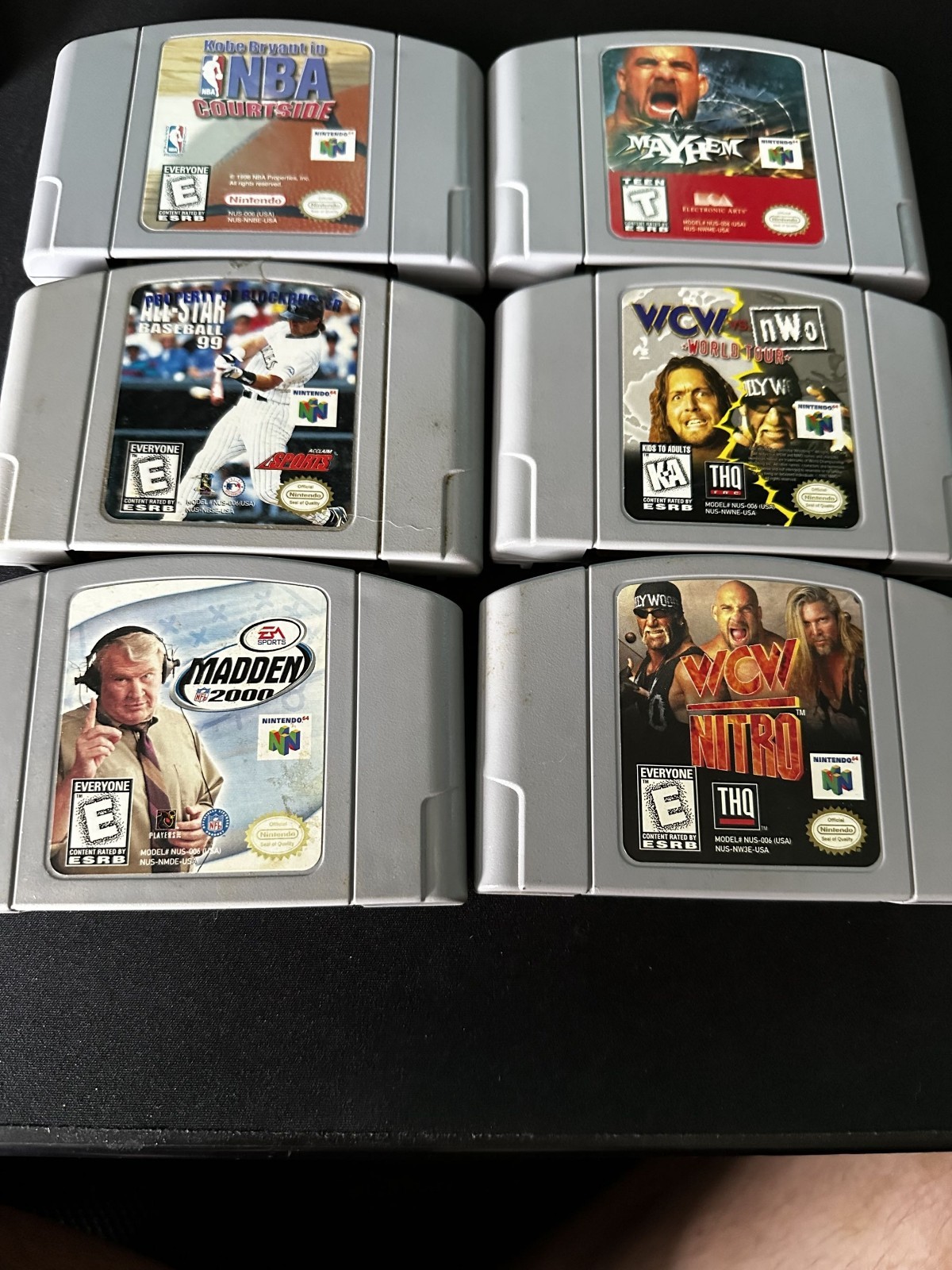
eBay links are affiliate links: JunkPal may earn a commission at no cost to you.
Resale values related to retro aesthetic
Shop retro aesthetic on eBay ↗
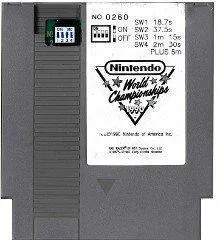
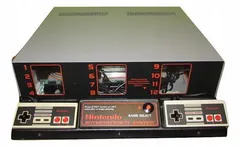
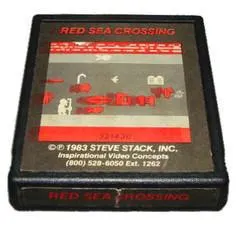
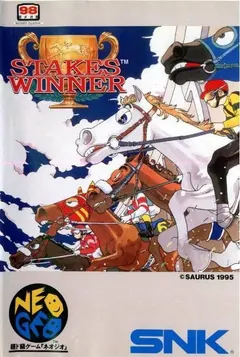
JunkPal may earn a commission when you buy through eBay links, at no extra cost to you.
What’s worth the most
Ranked on medians of real closed eBay sales, not asking prices.