What does “reseller markup” mean?
What it means
Reseller markup is the profit margin applied to a video game's acquisition cost before it is listed for sale. It is the difference between the wholesale or purchase price paid by the reseller and the final retail price charged to the consumer. This is not simply a markup on the *retail* price; it is a markup on the *cost*. The term encompasses the cost of sourcing, authentication, storage, and platform fees. For collectors, the markup must be justifiable by the item's scarcity, condition (e.g., CIB vs. loose), and current market demand.
What it does to price
The markup dictates the final selling price. The required markup varies significantly based on condition. A loose, common title might require a 1.1x to 1.3x markup over cost. A complete-in-box (CIB) copy of a sought-after title can command a 2x to 4x markup, depending on market velocity. Factors pushing the markup up include verifiable scarcity (limited editions) or perfect condition (Mint/Near Mint). Factors pushing it down include high supply or minor cosmetic damage. For example, if a reseller pays \$50 for a sought-after, sealed first-run copy, a 3x markup sets the list price at \$150.
How to spot it
The markup itself is not visible; it is the difference between the seller's acquisition cost and the listing price. To assess if a markup is excessive, one must establish the acquisition cost. Sellers often obscure this. Key tells to watch are disproportionate pricing relative to comparable "sold" listings. If a seller lists a common title at 5x the average recent sale price, the markup is likely predatory or based on a flawed acquisition cost assumption. Always request clear photos of the packaging, serial numbers, and any included documentation to verify the item's authenticity and condition grade.
Buying smart
Paying a premium markup is justifiable when the item is proven rare, authenticated, or in flawless condition. If a listing shows a significant markup (e.g., 3x or more) but the item is common or has visible wear, the premium is unwarranted. A fair deal generally involves a markup that aligns with the current "sold" data for that specific condition tier. If a collector is buying for investment, the markup must be low enough to allow for future appreciation; if buying for immediate play, the markup should reflect the convenience of instant availability.
Selling smart
Proving the item's provenance and condition is the primary method of justifying a higher markup. A listing that clearly states "Sealed, factory-fresh, verified by [Third Party]" allows for a higher markup than a listing stating only "Used." The single most effective element to earn a premium is a high-resolution, detailed photo showing the item's specific condition markers—such as the pristine corner of the box or the untouched seal integrity. This documentation shifts the perceived risk from the buyer to the seller, allowing for a more aggressive, profitable markup.
On eBay right now
Current asking prices from live listings — not sold-comp medians.


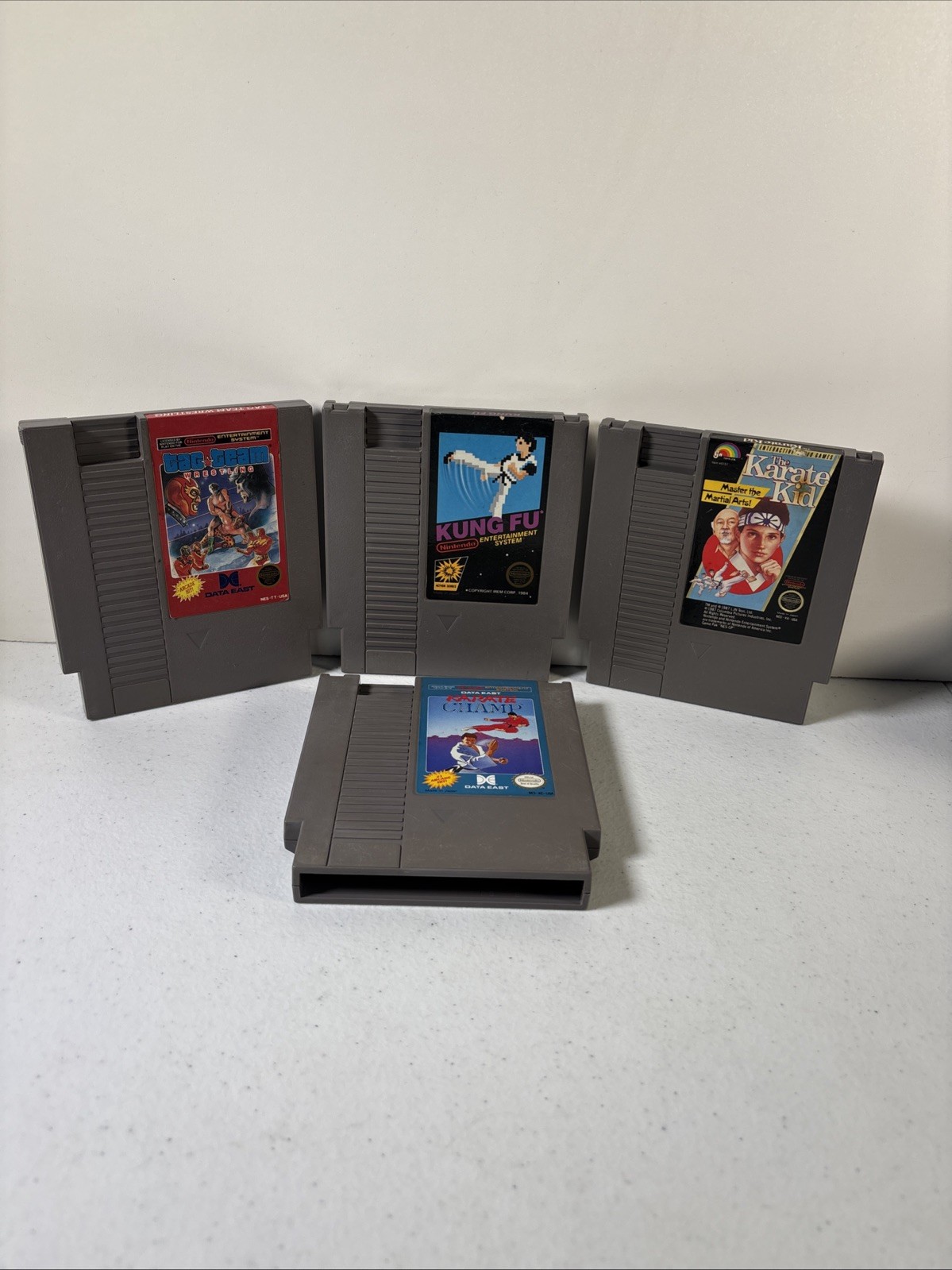


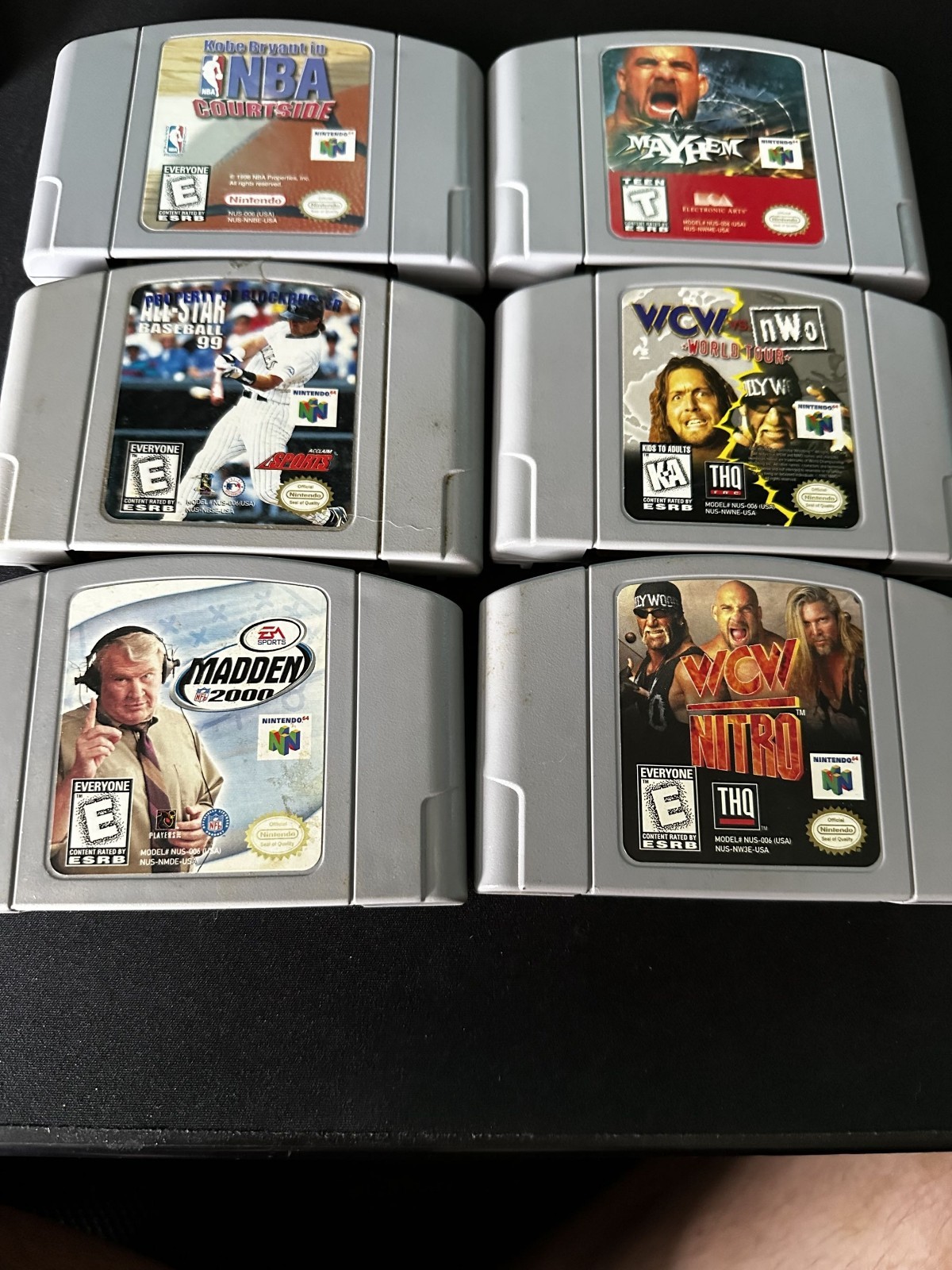
eBay links are affiliate links: JunkPal may earn a commission at no cost to you.
Resale values related to reseller markup
Shop reseller markup on eBay ↗

![Divinity: Original Sin II [Kickstarter Backer Edition]](/api/images/junkpal-products/games/divinity-original-sin-ii-kickstarter-backer-edition-pc-games-price/thumb.webp)

JunkPal may earn a commission when you buy through eBay links, at no extra cost to you.
What’s worth the most
Ranked on medians of real closed eBay sales, not asking prices.