What does “PSA grade” mean?
What it means
PSA Grade in the video-game collecting niche refers to the condition score assigned by Professional Sports Authenticator (PSA) to a physical PlayStation game. This grade quantifies the item's preservation across three primary components: the outer case, the game disc, and any accompanying manual or insert. PSA is a recognized third-party authentication and grading service. Unlike subjective condition descriptions (e.g., "Very Good"), a PSA grade is an objective, numerical assessment (e.g., PSA 9, PSA 10). A PSA 10 signifies a flawless, museum-quality item, while lower grades reflect specific wear, such as corner dings, disc scuffs, or spine fading.
What it does to price
The PSA grade acts as a direct, quantifiable multiplier on the base market value. A standard, loose copy of a sought-after title might sell for \$50. A PSA 8 copy of the same item typically commands 2x to 4x that price, reaching \$100–\$200. A PSA 10 copy can easily achieve 5x to 10x the loose value, potentially exceeding \$500 for high-demand titles. Factors that push the price up include a perfect grade (PSA 10) combined with high demand (e.g., rare exclusives). Factors that depress value include low grades (PSA 1-4) or if the grading company fails to grade the item entirely.
How to spot it
The physical indicator of a PSA grade is the protective plastic slab (or case) housing the game. The grade number is clearly printed on the label affixed to this slab. When inspecting an item *before* grading, sellers should look for evidence of previous wear: light scratches on the disc surface, fading on the case spine, or creasing on the manual. A common mistake is assuming a high-grade item is pristine; PSA grading is rigorous. Fakes in the grading process are rare but can occur; the primary tell is the authenticity seal and unique serial number on the slab itself, verifiable on the PSA website.
Buying smart
Paying a significant premium for a PSA grade is justifiable only when the game is a high-tier, blue-chip collectible (e.g., first-run, limited edition, or historically significant titles). For common or mid-tier titles, the premium often outweighs the potential return, as the difference between a PSA 8 and PSA 10 might only be a 30% price jump, while the cost to obtain the slab is high. A fair deal involves the asking price being within 1.5x to 3x the established loose market value for that specific title, depending on the grade achieved.
Selling smart
Presenting a PSA slab in a listing immediately shifts the buyer's perception from "condition risk" to "verified asset." The inclusion of the slab eliminates condition negotiation entirely. The single most valuable element in a listing is the visible, clear photograph of the entire graded slab, showing the grade number prominently. This photo serves as instant, irrefutable proof of authenticity and condition, allowing the seller to command the premium price associated with certified collectibles without needing extensive condition reports.
On eBay right now
Current asking prices from live listings — not sold-comp medians.


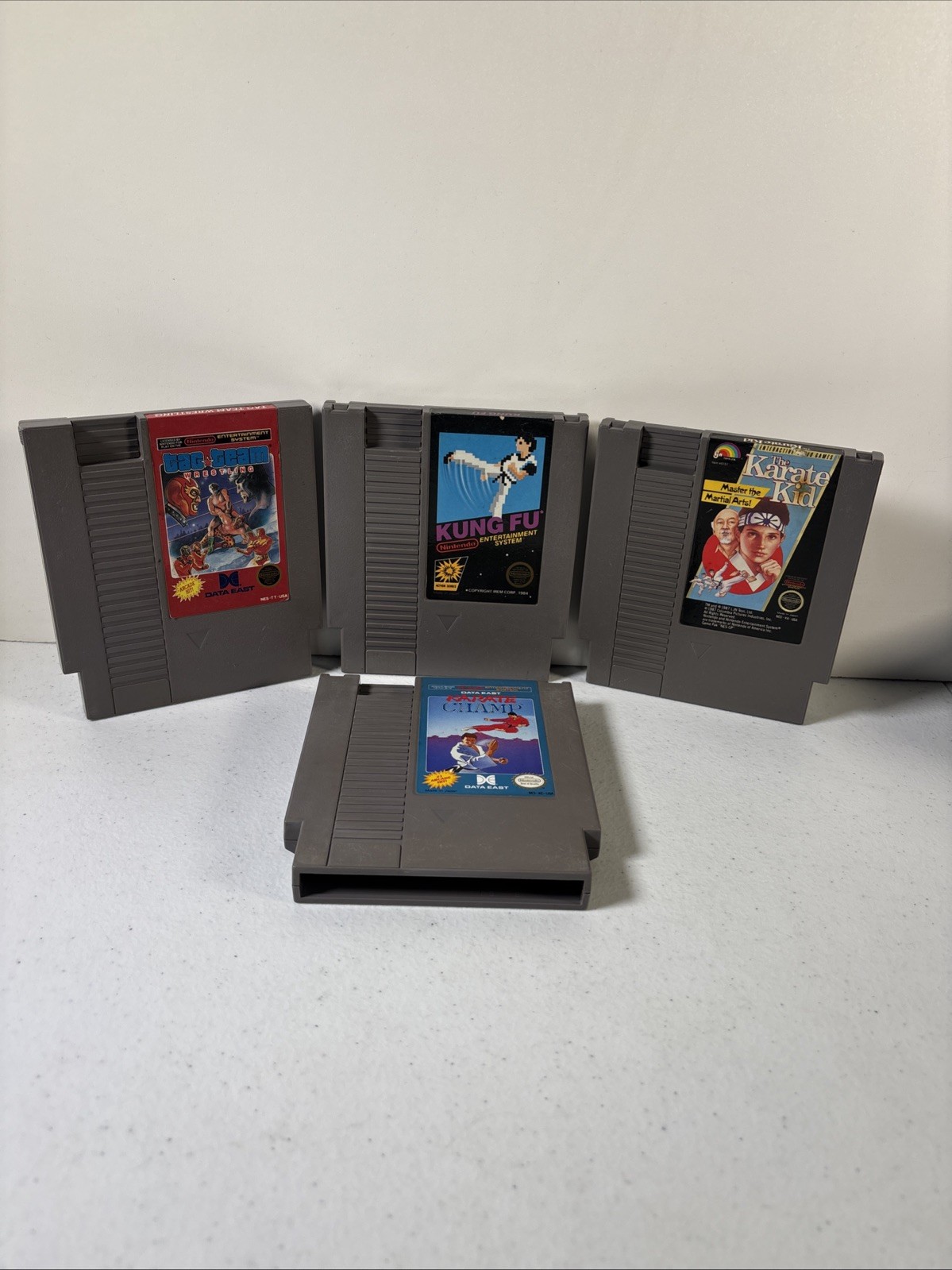


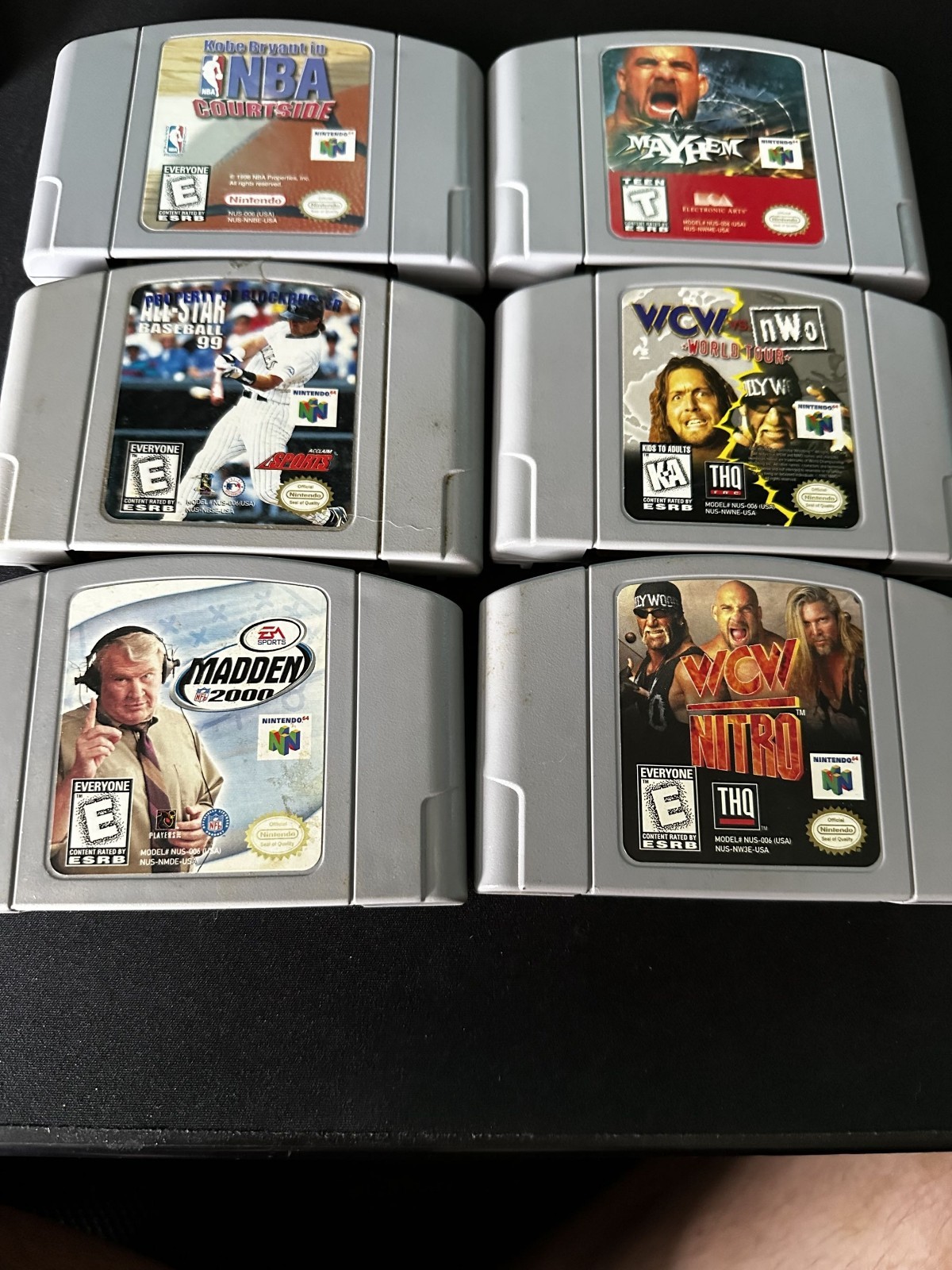
eBay links are affiliate links: JunkPal may earn a commission at no cost to you.
Resale values related to PSA grade
Shop PSA grade on eBay ↗![Donkey Kong Jr Math [5 Screw]](/api/images/junkpal-products/games/donkey-kong-jr-math-5-screw-nes-price/img0/thumb.webp)
![PlayStation 4 Development Kit [DUH-D1000AA]](/api/images/junkpal-products/games/playstation-4-development-kit-duh-d1000aa-playstation-4-price/img0/thumb.webp)

![Animal Crossing [Not for Resale]](/api/images/junkpal-products/games/animal-crossing-not-for-resale-gamecube-price/img0/thumb.webp)

JunkPal may earn a commission when you buy through eBay links, at no extra cost to you.
What’s worth the most
Ranked on medians of real closed eBay sales, not asking prices.