What does “provenance documentation” mean?
What it means
Provenance documentation is the complete, verifiable history of a specific video game item—console, cartridge, or collectible. It is the documented chain of custody, proving where the item originated, every prior owner, and the circumstances of its transfer. This is not merely having an old receipt; it is a traceable paper trail. For the collecting niche, this documentation serves as the item’s authenticated biography. Its mainstream equivalent is verifiable chain of title in high-value assets, applied here to physical media. It confirms authenticity against counterfeits or theft claims.
What it does to price
Provenance directly impacts market valuation by mitigating risk. Items with clear, documented provenance command a premium. A standard, loose cartridge might sell for $X. The same cartridge, accompanied by original retailer invoices, dated purchase records, and authenticated condition reports, can easily fetch 1.5x to 3x that value, depending on the rarity and market volatility. Conversely, an item with an excellent physical condition but zero documentation is priced at a discount, often 20-35% lower than a documented equivalent because the buyer assumes higher risk. For example, a rare Japanese import controller without any import paperwork might sell for $150; the same controller with customs receipts and a dated dealer invoice could push the price to $250 or more.
How to spot it
Verifiable provenance relies on specific documentation types. Look for original, dated sales receipts from reputable retailers, authenticated auction house provenance letters, or manufacturer-issued serial number verification records. Common pitfalls include vague "gifted" notes, which offer no proof of purchase or origin. Sellers must provide high-resolution photos of any included documentation, ensuring all dates, store names, and serial numbers are legible. A red flag is a seller claiming a perfect history but providing only a generic, un-dated "proof of ownership" note.
Buying smart
Paying a premium for provenance is justified when the item is high-value, scarce, or highly susceptible to counterfeiting (e.g., limited edition hardware or first-run game cartridges). If the item is common or low-value, the cost of acquiring documentation may exceed the value increase. A fair deal occurs when the premium charged for the documentation is reasonable relative to the item's base value—typically, the documentation should add no more than 25-40% to the asking price for mid-tier collectibles. If the documentation is extremely rare (e.g., factory testing logs), the premium is justifiable regardless of the base price.
Selling smart
Listing an item with documented provenance immediately separates it from the bulk of unverified inventory. This documentation shifts the item from being a "speculative purchase" to an "investment asset." The single most effective element to include in a listing is a clear, legible photo of the primary purchase receipt or certificate of authenticity. This photo acts as immediate, visual proof, justifying a higher asking price and attracting serious, high-budget buyers who prioritize certainty over a lower initial cost.
On eBay right now
Current asking prices from live listings — not sold-comp medians.


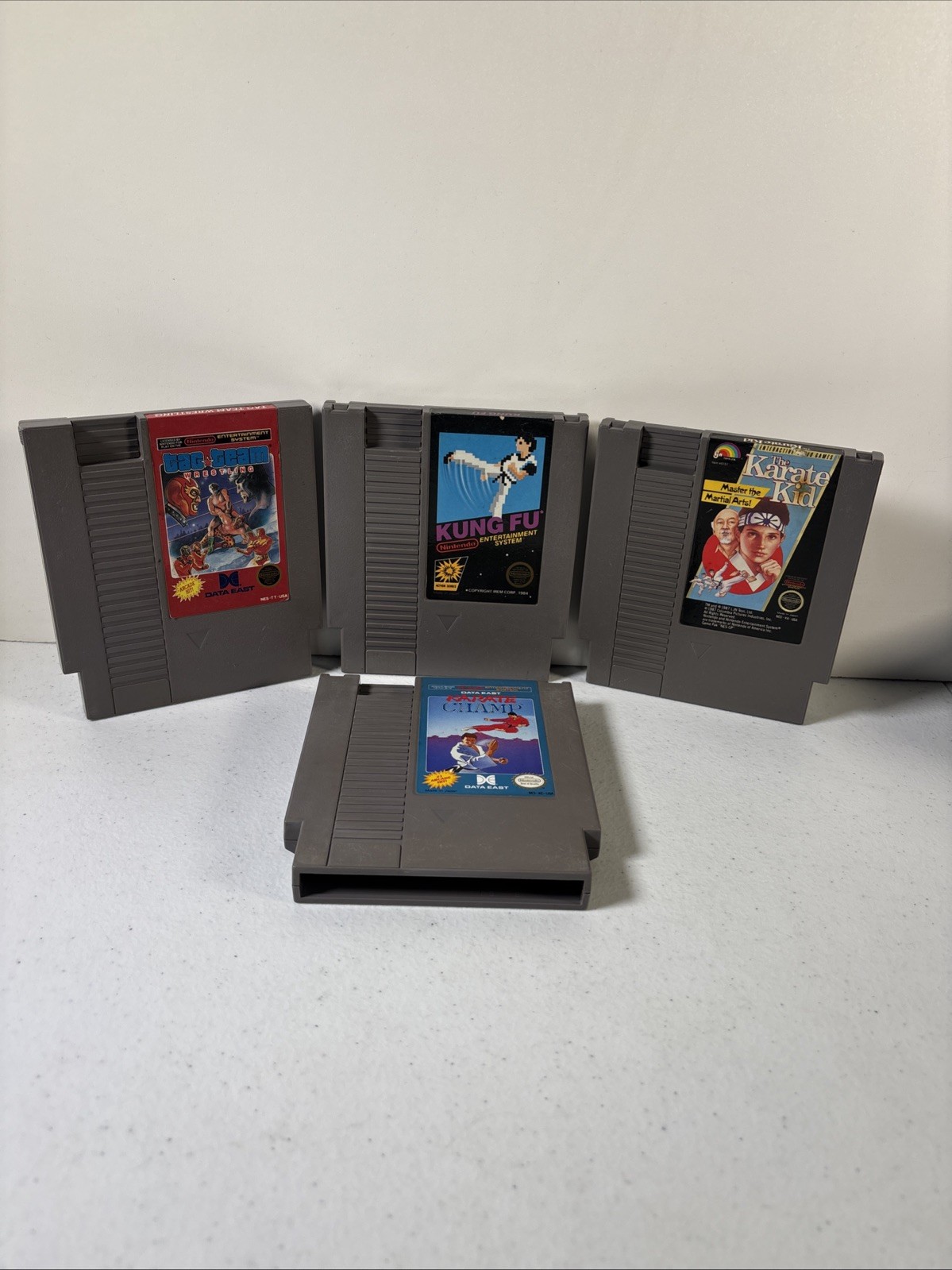


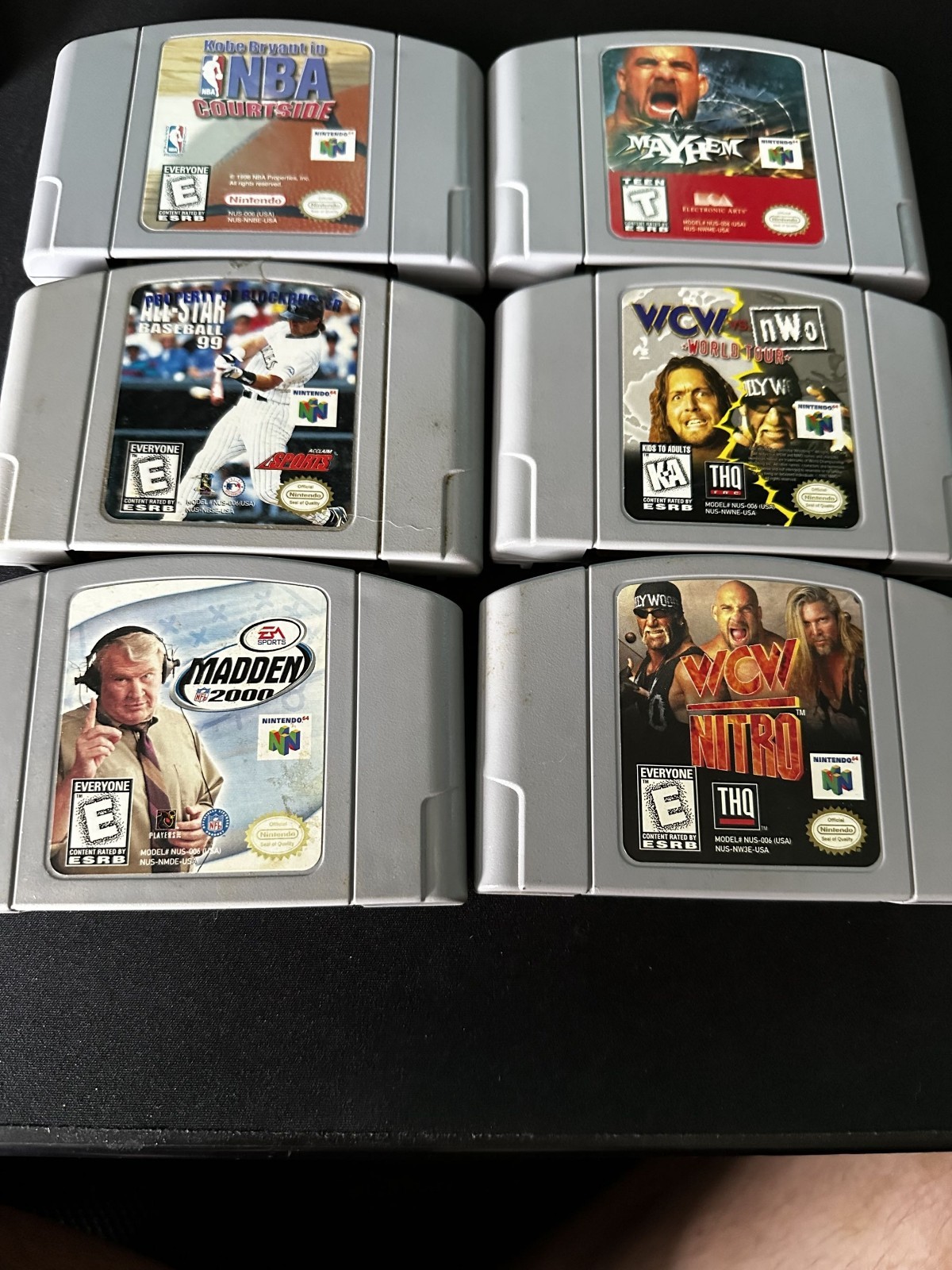
eBay links are affiliate links: JunkPal may earn a commission at no cost to you.
Resale values related to provenance documentation
Shop provenance documentation on eBay ↗
![Superman [Tele Games Picture Label]](/api/images/junkpal-products/games/superman-tele-games-picture-label-atari-2600-price/img0/thumb.webp)

![Hyrule Warriors [Limited Edition]](/api/images/junkpal-products/games/hyrule-warriors-limited-edition-wii-u-price/img0/thumb.webp)


JunkPal may earn a commission when you buy through eBay links, at no extra cost to you.
What’s worth the most
Ranked on medians of real closed eBay sales, not asking prices.