What does “promotional item” mean?
What it means
A promotional item in video games is supplementary merchandise distributed by the publisher or manufacturer to advertise a specific title. This includes, but is not limited to, posters, keychains, exclusive art cards, limited-run packaging inserts, or event-exclusive swag. This category is distinct from standard retail merchandise or the game cartridge/disc itself. The core value driver is scarcity and association. A promotional item is not the product being sold for gameplay; it is an artifact tied to the game’s marketing lifecycle.
What it does to price
Value is entirely dependent on scarcity and demand. A common giveaway item (e.g., a generic sticker from a mass-market launch) typically holds near-zero resale value, often less than $5. Conversely, a verifiable, limited-run item tied to a highly anticipated, cult-classic title can command significant premiums. For example, a unique, signed, or region-locked promotional art book from a major AAA title might fetch 3x to 10x the price of a standard, loose copy of the base game, depending on the item's documented scarcity. Regional exclusivity is a major price inflator.
How to spot it
Identification relies on specific markings. Look for manufacturer stamps, unique serial numbers, or print runs that do not align with standard retail packaging. Event-specific items will often have unique event logos or dated tags. For packaging, check for non-standard inserts or unique holographic seals. Common pitfalls include "bootlegs"—unauthorized reproductions. These are often poorly printed, lack official licensing logos, or use incorrect material finishes. Always request high-resolution photos of any printed text or serial numbers before committing to a purchase.
Buying smart
Paying a premium is justified when the item has documented, verifiable scarcity. If the item was distributed in quantities known to be small (e.g., "Limited to 1,000 units"), the premium is warranted. Avoid paying high prices for items that appear to be common retail extras repackaged as "promotional." A fair deal involves a price that reflects the *provenance* (where and how it was obtained) rather than just the item's appearance. If the seller cannot provide documentation of its limited distribution, the premium should be minimal.
Selling smart
Listing must clearly articulate the item's origin. Do not simply label it "promo." Use precise language: "Limited Edition Event Exclusive," "Region-Locked Giveaway," or "Convention Drop." The single most valuable element in a listing is photographic proof of provenance—a photo showing the item alongside official event signage, a dated receipt, or the specific limited-run packaging it came in. This verifiable context transforms the item from generic merchandise into a collectible artifact, justifying the highest market prices.
On eBay right now
Current asking prices from live listings — not sold-comp medians.


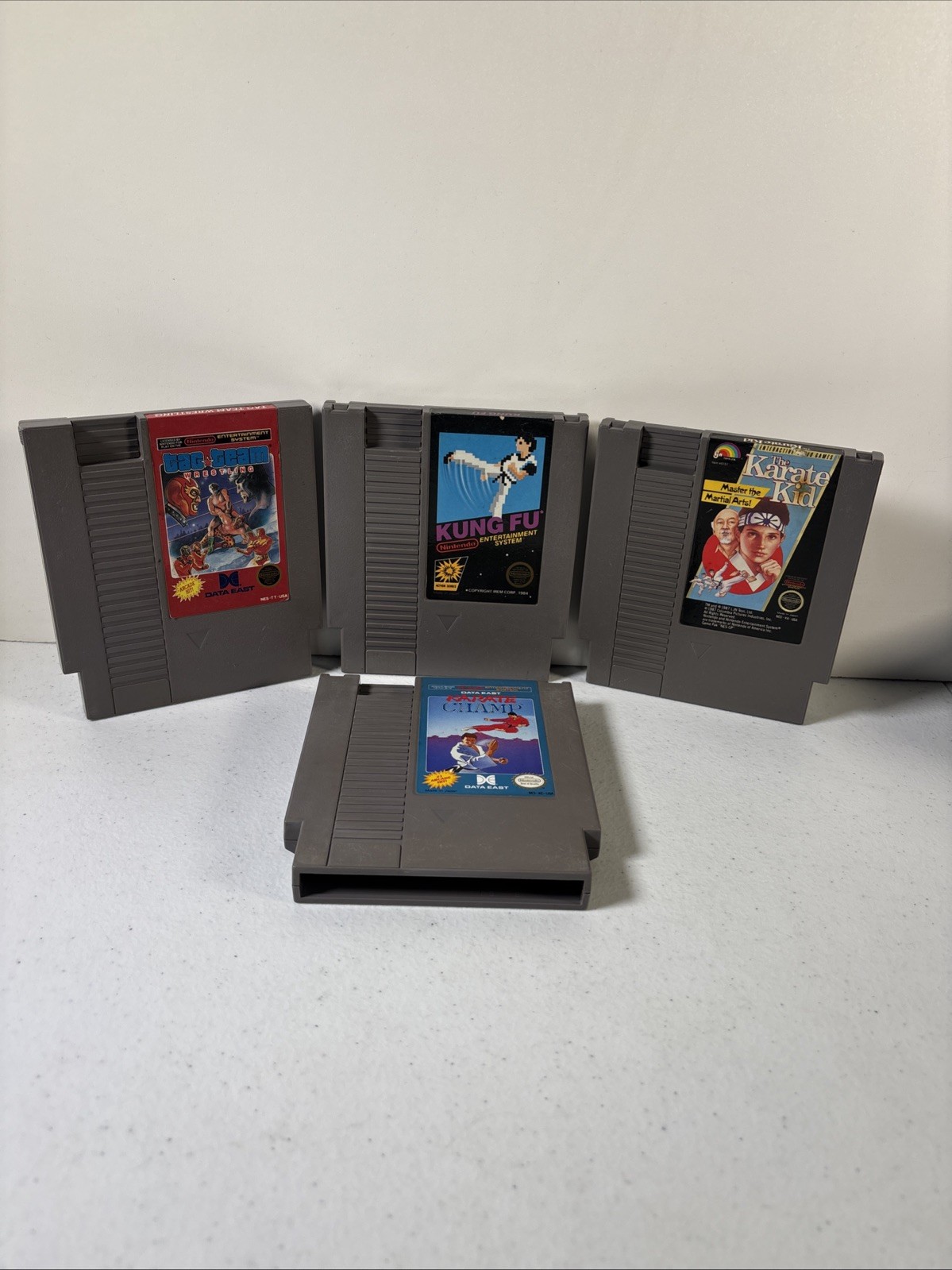


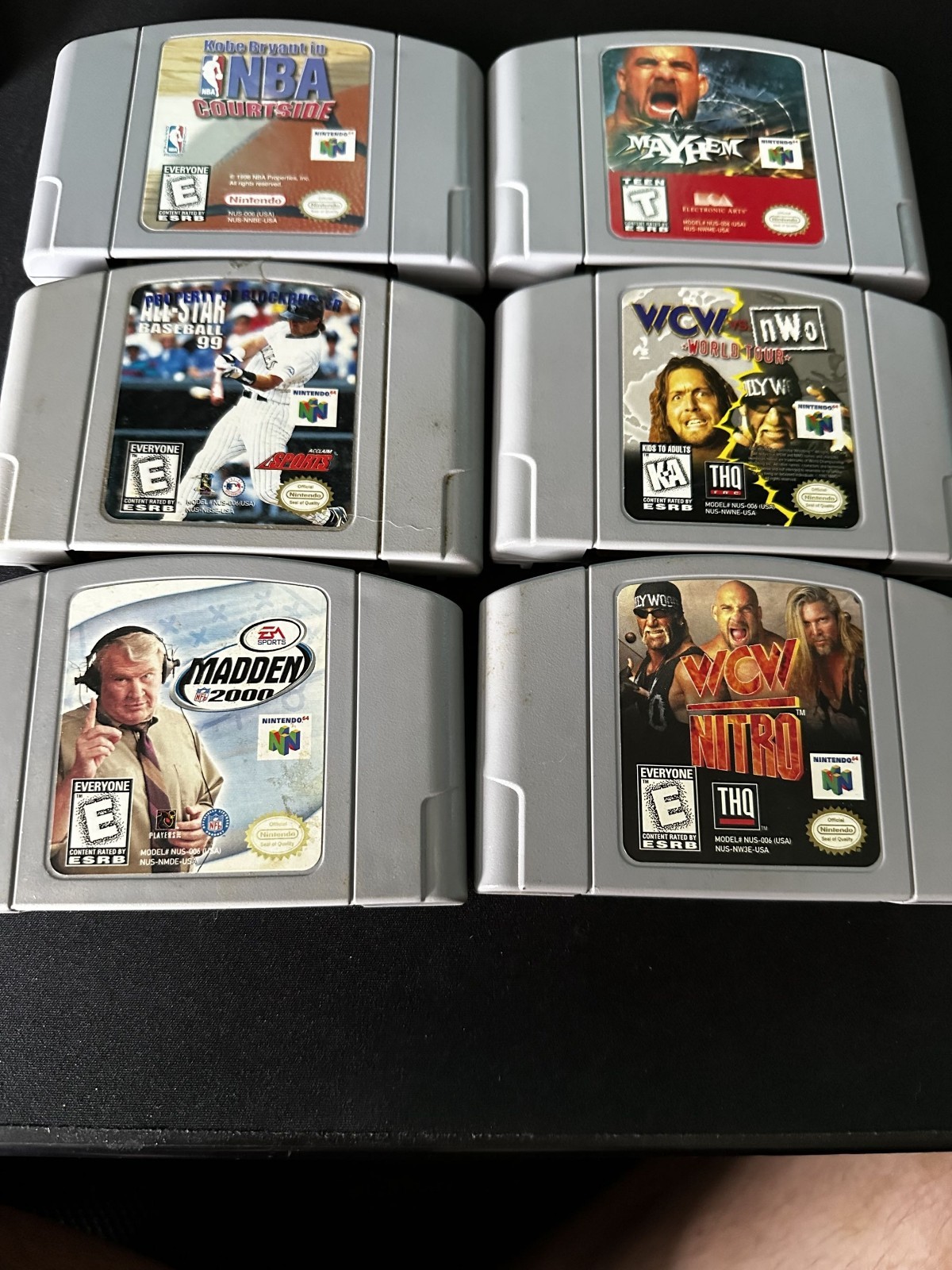
eBay links are affiliate links: JunkPal may earn a commission at no cost to you.
Resale values related to promotional item
Shop promotional item on eBay ↗![Galf [Gold]](/api/images/junkpal-products/games/galf-gold-nes-price/img0/thumb.webp)
![Elden Ring [Premium Collector's Edition]](/api/images/junkpal-products/games/elden-ring-premium-collector-s-edition-playstation-5-price/img0/thumb.webp)


JunkPal may earn a commission when you buy through eBay links, at no extra cost to you.
What’s worth the most
Ranked on medians of real closed eBay sales, not asking prices.