What does “production year” mean?
What it means
Production year in video game collecting refers to the calendar year the game was initially manufactured and/or officially released by the publisher. This is distinct from later re-releases or digital ports. For collectors, this date anchors the item to a specific historical period, defining its vintage status. It helps categorize the item within a console generation (e.g., 16-bit era, PS1 launch window). The mainstream equivalent is the original release date. Early production years often imply smaller initial print runs, which directly impacts scarcity and desirability.
What it does to price
Production year is a primary driver of value, especially for first-run copies. A CIB (Complete In Box) copy from a highly sought-after early production year can fetch 1.5x to 4x the price of a later, mass-produced variant, assuming all other conditions are equal. A game from a known, limited initial run might command a premium of $50-$100 over the standard market price, even if the condition is average. Conversely, a game with a late production year, even if rare, may be discounted if the market views it as a later, less desirable run. The year dictates the perceived "vintage" factor.
How to spot it
Confirming the production year requires examining physical evidence. Check the copyright notice on the game case, manual, or the disc itself. Sometimes, the manufacturing batch code or a specific print run identifier is present on the inside of the box lid. If packaging is damaged, request high-resolution photos of the spine and back cover. Be wary of "re-issue" listings; these often use old art but have modern manufacturing stamps. A common honest mistake is confusing the *release* year with the *manufacturing* year, especially if the game was delayed.
Buying smart
Paying a significant premium for a specific production year is justified when the game is confirmed to be from a critically acclaimed, historically significant, or notoriously scarce initial run. If the difference between two copies is only the year, and the condition difference is negligible, the price premium for the older year must be substantial (at least 25% higher). If the game is a common title, the production year matters less unless it is demonstrably the absolute first pressing. A fair deal involves the listed price reflecting the established scarcity associated with that specific year's run.
Selling smart
Proving the production year in a listing immediately elevates the item from a general "retro game" to a specific collectible artifact. Buyers searching for "First Print Run" or "199X Edition" will pay more. The single most effective element is a clear, close-up photograph of the copyright page or manufacturing stamp that explicitly displays the year. Using the phrase "Confirmed [Year] Production Run" in the title or description is the direct trigger that earns the premium over a generic listing.
On eBay right now
Current asking prices from live listings — not sold-comp medians.


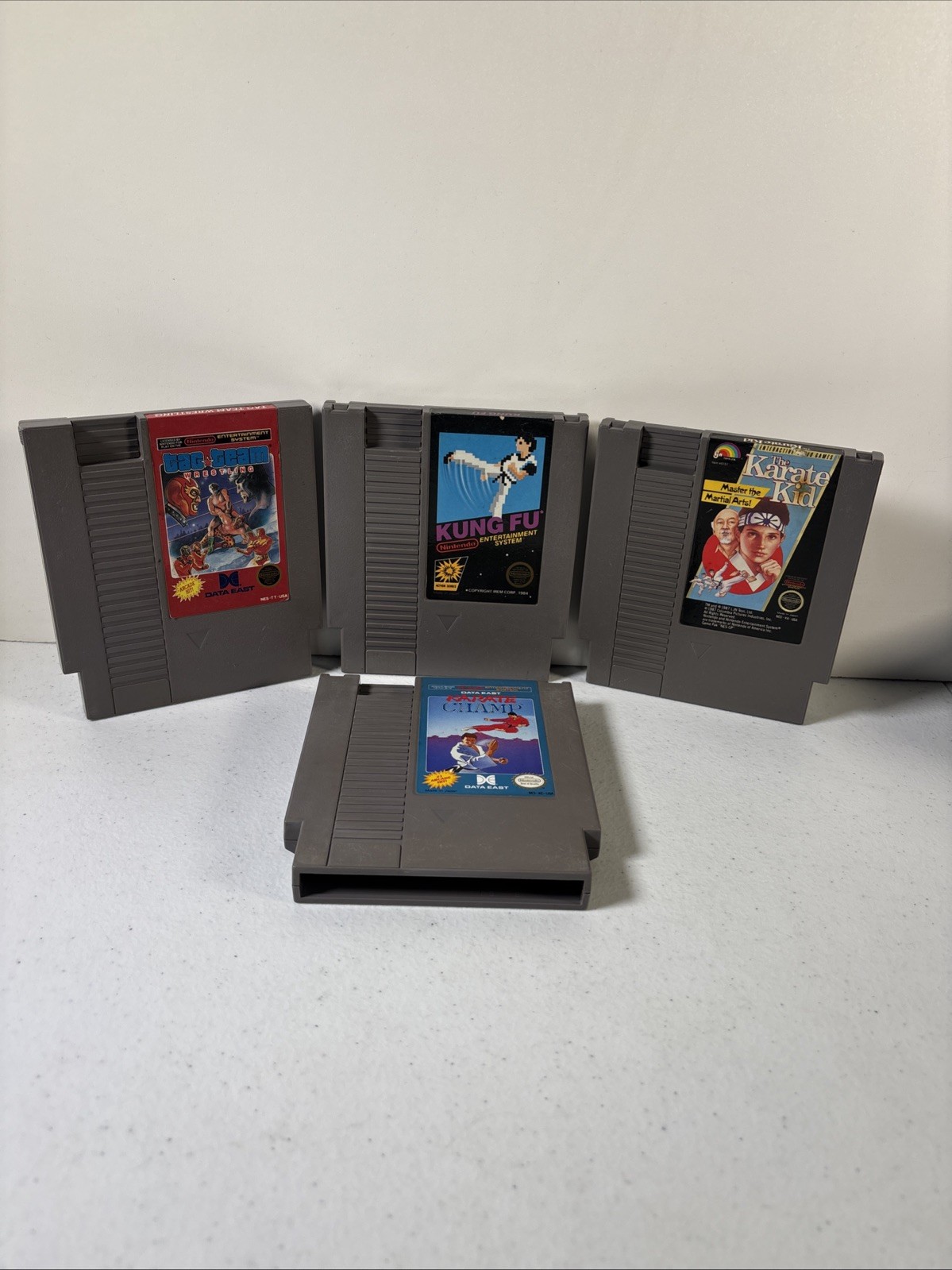


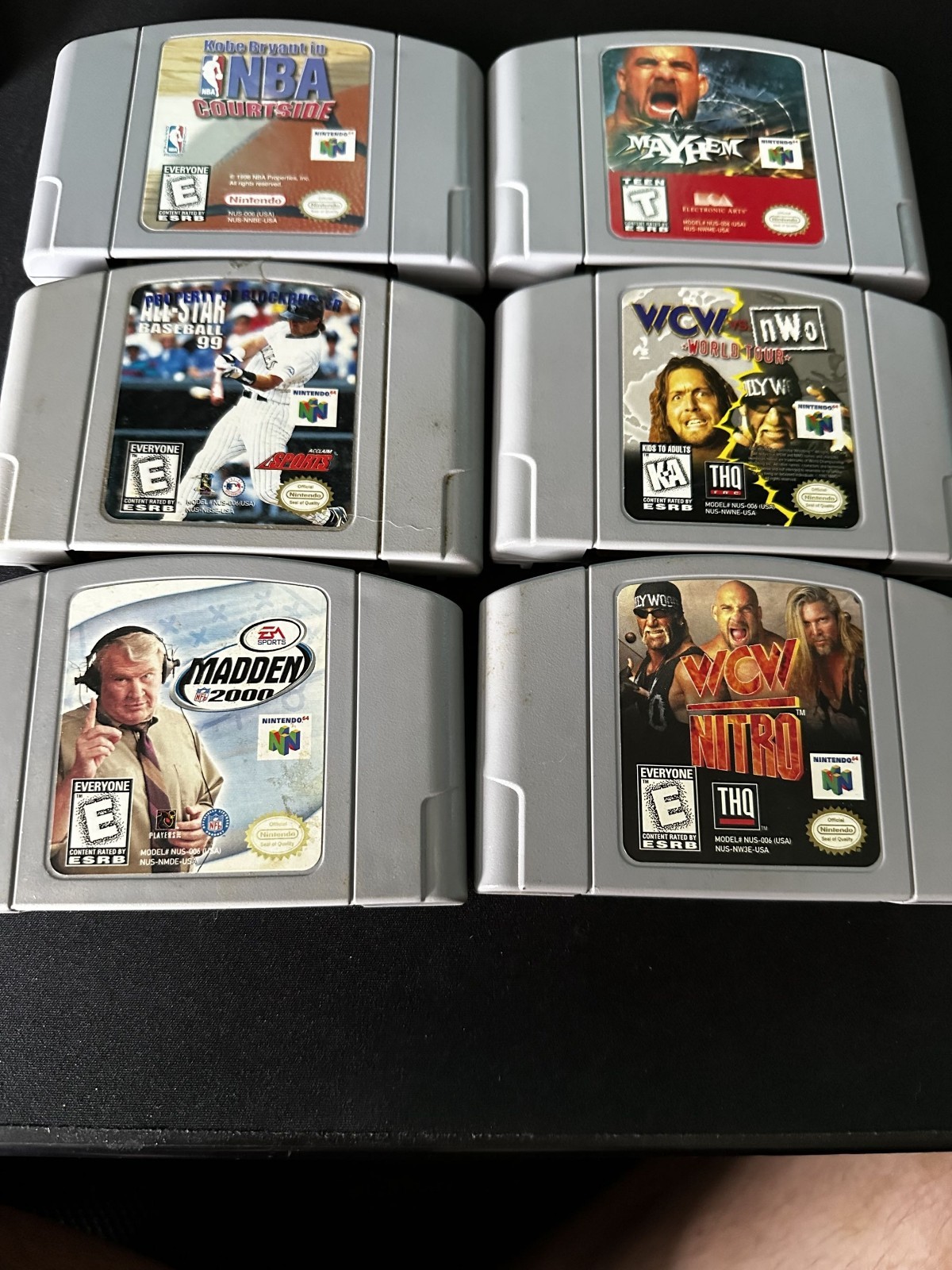
eBay links are affiliate links: JunkPal may earn a commission at no cost to you.
Resale values related to production year
Shop production year on eBay ↗


![Pokemon Sapphire [Not for Resale]](/api/images/junkpal-products/games/pokemon-sapphire-not-for-resale-gameboy-advance-price/img0/thumb.webp)

JunkPal may earn a commission when you buy through eBay links, at no extra cost to you.
What’s worth the most
Ranked on medians of real closed eBay sales, not asking prices.