What does “port” mean?
What it means
A port is a video game released on a hardware platform different from its initial release. This is not merely a re-release; it involves adapting the game code, assets, and sometimes the entire design to function on new operating systems or consoles. The core concept is platform migration. The term applies whether the port is a direct translation (e.g., PS1 to PS2) or a significant overhaul (e.g., arcade conversion to home console). Collectors must differentiate between a true port and a simple remaster or re-release, which are distinct categories.
What it does to price
The impact on price is highly variable, depending on the quality of the port and the original's scarcity. An original, first-run platform version often commands a 1.5x to 3x premium over a later, well-received port, especially if the original is rare. Conversely, a poorly optimized or significantly downgraded port (e.g., a low-resolution PC port of a high-fidelity console original) can fetch 20-40% less than the original. For example, a pristine, original cartridge version of a title might sell for $150, while a functional, but graphically inferior, later console port might sell for $80.
How to spot it
Identifying a port requires checking the box art, manual, and digital storefront listings. Look for distinct hardware branding on the packaging or in the game's initial splash screen. If the game is a physical release, the region codes and specific model numbers on the box or disc/cartridge itself are key identifiers. Sellers must provide clear photos of the disc/cartridge label and the game's title screen. A common mistake is confusing a "remaster" (a modern graphical upgrade) with a true port (a migration to new hardware).
Buying smart
Paying a premium for a port is justified when the port is widely regarded as a superior technical achievement or when the original platform version is prohibitively expensive or unavailable. If the port offers significant new features or stability improvements over the original, the premium is warranted. A fair deal involves a price that reflects the port's documented quality relative to the original. If the port is known to be buggy or heavily compromised, the price should reflect that functional downgrade.
Selling smart
To maximize value, the listing must explicitly state the platform and the specific nature of the release (e.g., "N64 Port," "PC Conversion"). Highlighting the technical differences—whether they are improvements or limitations—is crucial. The single most valuable piece of evidence is a screenshot or video clip showing the game running on the specific hardware in question, confirming it is not a modified or mislabeled version. This documentation validates the port status and justifies the asking price.
On eBay right now
Current asking prices from live listings — not sold-comp medians.


eBay links are affiliate links: JunkPal may earn a commission at no cost to you.
Resale values related to port
Shop port on eBay ↗![007 GoldenEye [Not for Resale]](/api/images/junkpal-products/games/007-goldeneye-not-for-resale-nintendo-64-price/thumb.webp)

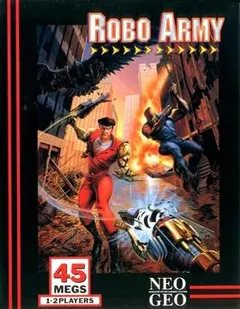

![Crystal Mines [Black]](/api/images/junkpal-products/games/crystal-mines-black-nes-price/img0/thumb.webp)
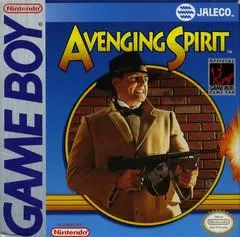
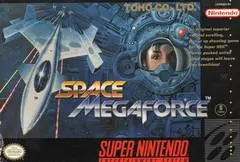
![40 Winks [Special Edition]](/api/images/junkpal-products/games/40-winks-special-edition-nintendo-64-price/img0/thumb.webp)
JunkPal may earn a commission when you buy through eBay links, at no extra cost to you.
What’s worth the most
Ranked on medians of real closed eBay sales, not asking prices.