What does “playtest unit” mean?
What it means
A playtest unit is a developmental iteration of a video game provided by the publisher or developer for internal testing, media review, or closed beta access. This is distinct from early access or demo versions, which are often sold or distributed commercially. These units are fundamentally prototypes. They frequently contain unfinished code, placeholder art, non-final audio, or functional bugs that were corrected in the retail release. For collectors, the value lies in its status as an artifact from the game's creation cycle, not its playability.
What it does to price
The rarity of a playtest unit creates a significant price multiplier over a standard retail copy. A sealed, documented playtest unit can command 3x to 10x the price of a standard retail copy, depending on the game's cultural significance and the unit's scarcity. Minor imperfections, such as visible internal testing stickers or non-standard packaging, typically reduce the multiplier by 10-25%. Conversely, a unit with verifiable, high-level developer provenance (e.g., signed by a lead designer) can push the multiplier toward the higher end. For example, a standard retail copy of a niche indie title might sell for $50; a verified playtest version could easily fetch $200 or more.
How to spot it
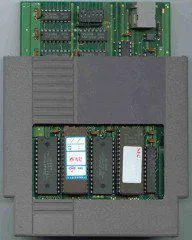
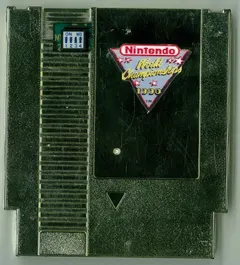
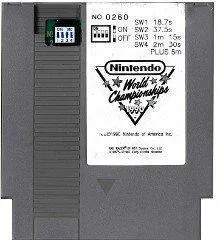
Identifying a true playtest unit requires looking beyond the box art. Look for internal documentation, such as internal tracking numbers, developer build stamps, or specific release dates that predate the official launch. Packaging may lack standard UPC codes or feature internal testing logos. Sellers must provide high-resolution photos of any serial numbers or unique identifiers printed on the cartridge, disc, or case insert. Common mistakes include confusing a "review copy" (which is often mass-produced) with a true "playtest unit." Fakes often lack the specific, low-resolution artifacts or internal numbering found on genuine developer builds.
Buying smart
Paying a premium for a playtest unit is justified when the game itself is highly influential, critically acclaimed, or culturally significant (e.g., a landmark title). The premium is worth it if the unit's provenance can be established through multiple, verifiable pieces of evidence. It is not worth the premium for minor, obscure titles where the unit is difficult to authenticate. A fair deal involves a price that reflects the verified rarity—if the documentation is thin, the price should be closer to a high-end collector's edition, not a museum piece.
Selling smart
The primary driver of value in selling a playtest unit is the proof of its status. A listing that simply states "Playtest Unit" without supporting evidence will only attract casual buyers willing to pay a moderate premium. To command top-tier pricing, the listing must include clear photographic evidence of the unit's tester status. The single most effective element is a photograph clearly showing a unique internal marking or a dated internal manifest, accompanied by a brief, factual description of that marking. This documentation transforms the item from a rare piece of plastic into a documented piece of history.
On eBay right now
Current asking prices from live listings — not sold-comp medians.


eBay links are affiliate links: JunkPal may earn a commission at no cost to you.
Resale values related to playtest unit
Shop playtest unit on eBay ↗![Mega Man [5 Screw]](/api/images/junkpal-products/games/mega-man-5-screw-nes-price/thumb.webp)


JunkPal may earn a commission when you buy through eBay links, at no extra cost to you.
What’s worth the most
Ranked on medians of real closed eBay sales, not asking prices.