What does “playable” mean?
What it means
"Playable" in the video game collecting niche means the game functions according to the manufacturer's design specifications without requiring external repair or modification to operate. This goes beyond simply powering on. It requires successful execution of core gameplay loops: the game must boot without crashing, all primary input methods (controller, keyboard, etc.) must register commands accurately, and no critical game systems (save files, networking, physics engines) should exhibit persistent, game-breaking failure. The mainstream equivalent is "fully functional." A game that is "playable" might have minor graphical glitches or cosmetic bugs, but these must not impede the intended experience.
What it does to price
Functionality is a prerequisite for standard market pricing. A "playable" copy establishes the baseline value. A game that is merely "bootable" but fails mid-level or has corrupted save data will see a 30-50% reduction from the standard playable price. Conversely, a "perfectly playable" copy, verified by the seller, can command a premium of 10-20% over a comparable copy where functionality is unverified. For example, a loose, playable copy of a popular RPG might sell for $60; if the seller can prove it runs flawlessly, it might fetch $66-$72.
How to spot it
Spotting playability is often impossible without testing. Collectors must request video proof. Sellers should provide footage showing the game running for at least two minutes, demonstrating menu navigation and active gameplay. Look for evidence of disc/cartridge condition that suggests physical failure points—deep scratches on discs, or visible corrosion on cartridge contacts. If a seller claims it is playable but refuses video verification, treat it as unverified and price it 20% lower than comparable verified listings.
Buying smart
Paying a premium for "playable" status is justified when the game is a high-demand title, a rare collector's piece, or when the buyer intends to play the game immediately. If the game is obscure, low-value, or the seller provides no proof, the premium is unwarranted. A fair deal involves the seller providing clear, demonstrable proof of function. If the price is significantly higher than others for the same title, the buyer must demand video verification before committing.
Selling smart
Proving playability is the single most effective way to maximize resale value. A listing that states "Tested and Verified Playable" and includes a short video clip showing the game running earns a distinct premium over listings that simply state "Used" or "Works." The word "Verified" acts as a guarantee, mitigating buyer risk and allowing the seller to price at the higher end of the market spectrum. Disclosing known, non-critical flaws (e.g., "Minor graphical flicker in Level 3") manages expectations and prevents disputes, protecting the final sale price.
On eBay right now
Current asking prices from live listings — not sold-comp medians.
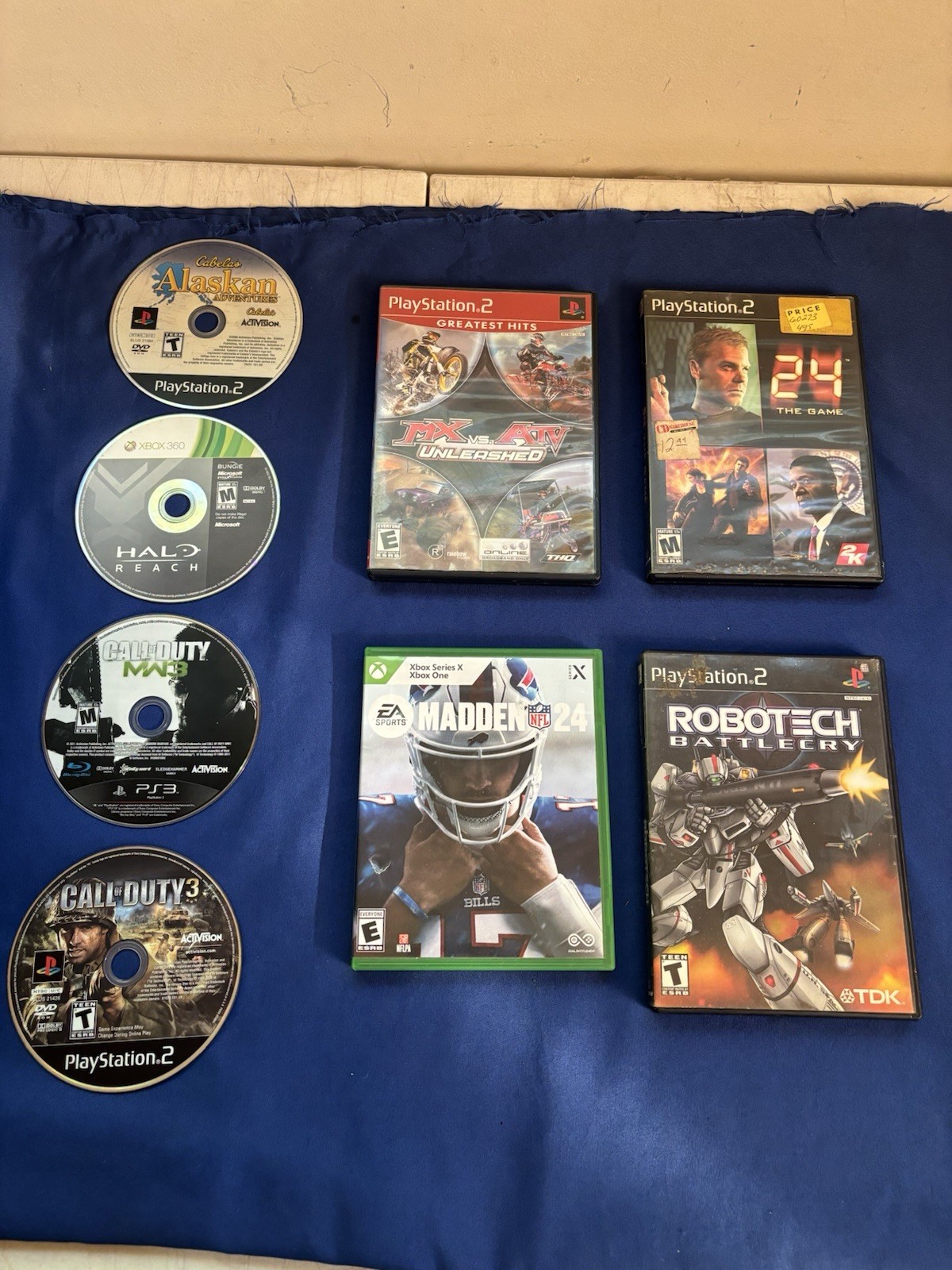


eBay links are affiliate links: JunkPal may earn a commission at no cost to you.
Resale values related to playable
Shop playable on eBay ↗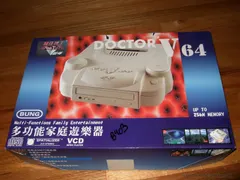
![Super Mario World [First Print]](/api/images/junkpal-products/games/super-mario-world-first-print-super-nintendo-price/img0/thumb.webp)
![Virtua Fighter [Special Training Pack]](/api/images/junkpal-products/games/virtua-fighter-special-training-pack-sega-32x-price/img0/thumb.webp)

JunkPal may earn a commission when you buy through eBay links, at no extra cost to you.
What’s worth the most
Ranked on medians of real closed eBay sales, not asking prices.