What does “pixel art” mean?
What it means
Pixel art is a deliberate graphical style in video games where all imagery is constructed from visible, discrete squares (pixels). This is not merely low resolution; it is a conscious aesthetic choice. The mainstream equivalent is "low-fidelity graphics," but in the collecting niche, "pixel art" signifies a specific, intentional retro or stylized look, often referencing 8-bit or 16-bit eras. It is a core component of the game's visual identity, differentiating it from games using smooth, high-polygon 3D rendering. For collectors, it signals a commitment to a specific visual language, whether that is pure nostalgia or modern indie homage.
What it does to price
The presence of high-quality, well-executed pixel art acts as a strong aesthetic anchor, boosting desirability within specific collector segments. A game heavily reliant on distinctive pixel art can see a 1.2x to 2.5x price multiplier compared to a visually generic title of the same rarity. If the art style is highly unique or tied to a cult following (e.g., specific platformer genres), this multiplier can exceed 3x. Conversely, poorly executed or muddy pixel art—where the sprites are blurry or inconsistent—can depress value, sometimes by 15-25% compared to a clean execution. A CIB copy of a highly praised pixel-art title might fetch $30-$50 more than a loose copy due to the visual confirmation of the intended aesthetic.
How to spot it
The tell is the grid structure. Zooming in on any in-game character, background tile, or UI element should reveal distinct, uniform squares. Look for consistent sprite scaling across the game. Sellers must provide close-up screenshots of in-game action, not just box art. A common mistake is confusing genuine pixel art with simple low-resolution upscaling; true pixel art maintains sharp, defined edges at all scales. Fakes or poor reproductions might use blurry textures masquerading as low-res, which lacks the crisp, blocky definition of authentic pixel art.
Buying smart
Paying a premium for pixel art is worthwhile when the art style is central to the game's critical reception or its niche appeal. If a game is lauded specifically for its "charming 8-bit aesthetic," the premium is justified. It is not worth paying a high premium if the game is otherwise mediocre, regardless of the art style. A fair deal involves the price reflecting the *quality* of the execution, not just the *presence* of the style. If a game is $40, but the pixel art is muddy and inconsistent, a $25 price point is more appropriate.
Selling smart
Listing must explicitly mention the art style. Use terms like "Distinctive Pixel Art," "Retro Aesthetic," or "8-Bit Style" in the title and description. The single most valuable photo to include is a high-resolution, zoomed-in screenshot of a key piece of in-game artwork—a boss sprite or a detailed environment tile. This visual proof validates the aesthetic claim, immediately attracting buyers who specifically seek that look and allowing the seller to command the higher end of the market range.
On eBay right now
Current asking prices from live listings — not sold-comp medians.


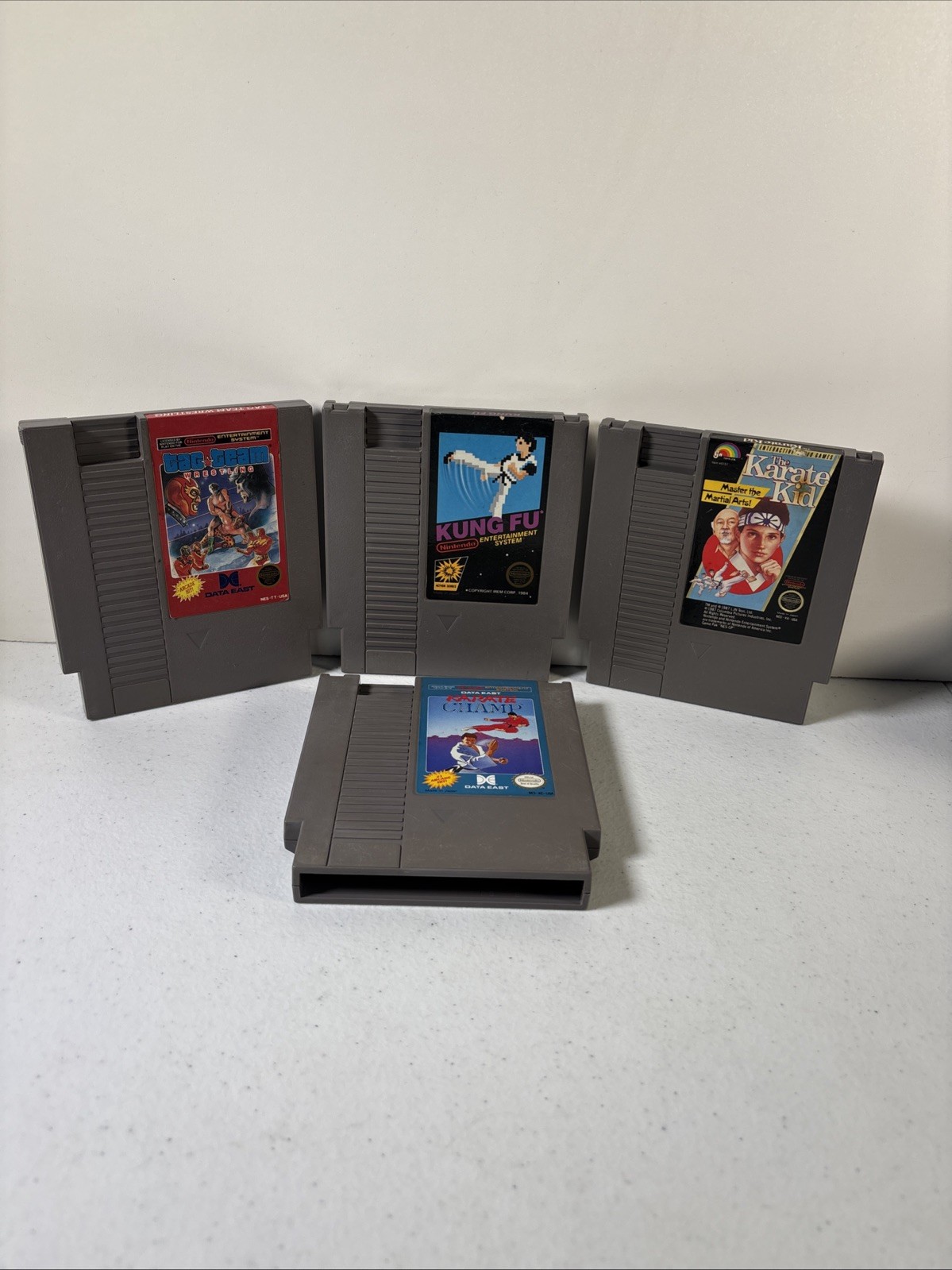


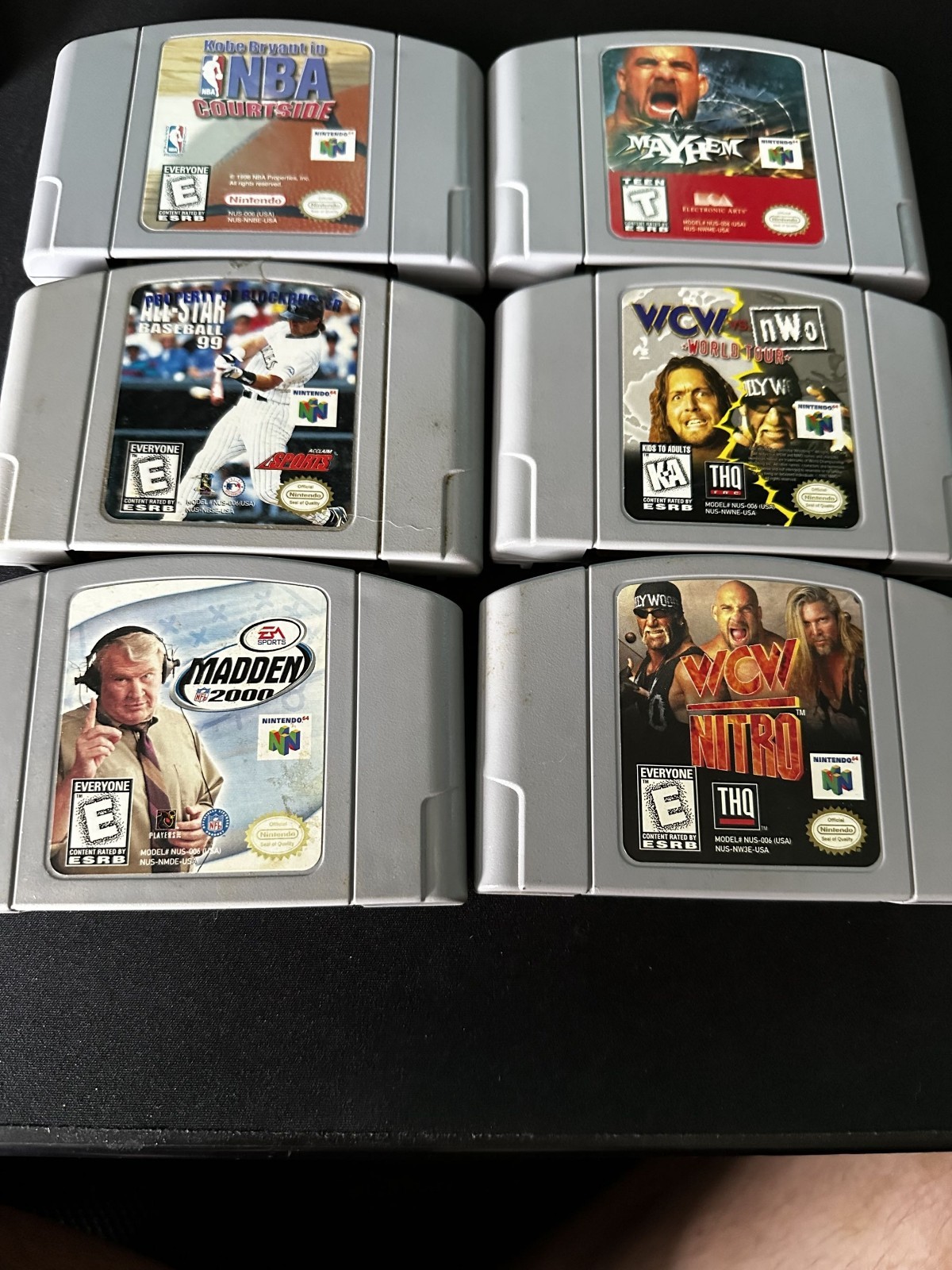
eBay links are affiliate links: JunkPal may earn a commission at no cost to you.
Resale values related to pixel art
Shop pixel art on eBay ↗
![Pokemon [Not for Resale Secret Key]](/api/images/junkpal-products/games/pokemon-not-for-resale-secret-key-nintendo-ds-price/img0/thumb.webp)

JunkPal may earn a commission when you buy through eBay links, at no extra cost to you.
What’s worth the most
Ranked on medians of real closed eBay sales, not asking prices.