What does “pin corrosion” mean?
What it means
Pin corrosion is the chemical oxidation or rusting affecting metallic contacts within vintage video game hardware. This includes the pins on cartridge connectors, controller ports, and internal circuit board traces. Mainstream terminology for this is electrical oxidation or contact degradation. It is not merely cosmetic; the buildup—often appearing green, white, or reddish—forms an insulating layer that impedes the flow of electrical current. This directly causes connection failures, intermittent read errors, or complete unit failure, compromising the item's functionality.
What it does to price
Corrosion is a direct negative modifier to market value. A cartridge exhibiting light, surface-level corrosion might see a 10-20% reduction in value compared to a pristine example. Moderate corrosion, where conductivity is visibly compromised, can reduce value by 30-50%. Severe, deep pitting or heavy buildup often renders the item functionally obsolete, dropping its value by 70% or more, sometimes to parts value only. For example, a highly sought-after, mint-condition cartridge might command $150; one with moderate pin corrosion might sell for $90-$105.
How to spot it
Inspection requires magnification, typically a jeweler's loupe, under strong, direct light. Look specifically at the gold or tin plating on the cartridge edge contacts and the corresponding sockets on the console. Greenish or powdery residue is the primary indicator. Honest mistakes include minor handling wear that mimics early-stage oxidation. Fakes or deceptive listings often omit close-up photos of the connector pins entirely. Sellers should provide high-resolution, focused images of the connector pins, both on the game and the console port, to verify the condition.
Buying smart
Paying a premium for a game with visible, moderate corrosion is generally not advisable unless the game is exceptionally rare and repair is guaranteed. If the corrosion is superficial and easily cleaned (e.g., light dusting), a slight premium for the "unopened" status might be justified. However, if the corrosion is deep, the risk of irreversible damage during cleaning outweighs the potential price increase. A fair deal involves a significant discount (at least 25%) relative to the pristine market rate to account for necessary professional cleaning and testing.
Selling smart
Proof of excellent condition is the primary driver of high-end pricing. If the item is clean, the listing should state "Pin condition: Mint/Excellent," backed by clear, macro photography of the connectors. If corrosion is present, it must be disclosed upfront. Stating "Light surface oxidation present; professionally cleaned" allows the seller to command a higher price than if they simply list it as "Used" and let buyers discover the fault. The single most valuable piece of evidence is a close-up photo showing the *absence* of residue.
On eBay right now
Current asking prices from live listings — not sold-comp medians.


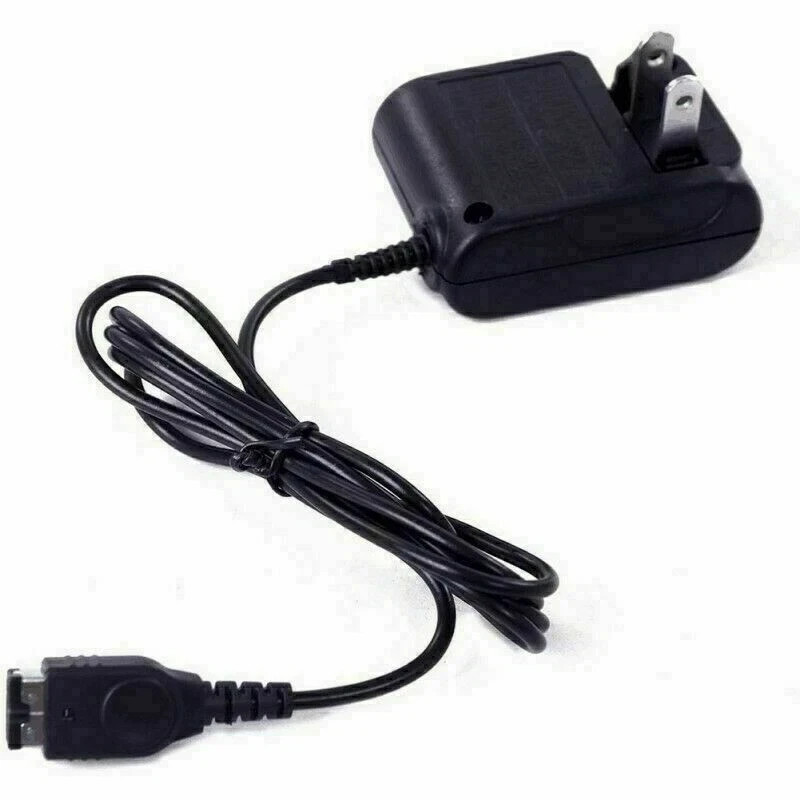


eBay links are affiliate links: JunkPal may earn a commission at no cost to you.
Resale values related to pin corrosion
Shop pin corrosion on eBay ↗![Game Boy Pocket Red [Target Kirby Value Pak]](/api/images/junkpal-products/games/game-boy-pocket-red-target-kirby-value-pak-gameboy-price/img0/thumb.webp)
![PlayAround General Re-Treat [2 In 1]](/api/images/junkpal-products/games/playaround-general-re-treat-2-in-1-atari-2600-price/img0/thumb.webp)


JunkPal may earn a commission when you buy through eBay links, at no extra cost to you.
What’s worth the most
Ranked on medians of real closed eBay sales, not asking prices.