What does “performance benchmark” mean?
What it means
A performance benchmark is a standardized set of measurable data points detailing how a video game operates on specific hardware configurations. This includes metrics like consistent frame rate (FPS), supported resolution (e.g., 1080p, 4K), and load/render times. For collectors and resellers, this is not abstract marketing; it is a technical specification of the product's functional quality. It measures the game's optimization level relative to its intended platform. A "benchmark" here is the documented proof of stable, intended functionality, not just marketing hype.
What it does to price
Performance directly impacts perceived value. A game known for running flawlessly (hitting target FPS consistently) commands a higher premium. For a sought-after, graphically intensive title, a confirmed excellent benchmark can push a loose copy price up by 20-40% compared to an unverified copy. Conversely, documented issues—such as severe frame drops or texture pop-in—can create a discount, potentially lowering the price by 15-25%. For example, a $50 loose copy with known, severe performance bugs might sell for $35.
How to spot it
Performance benchmarks are rarely marked directly on the physical media (cartridge or disc). They are found in external documentation: official developer press releases, reputable hardware review sites (IGN, GameSpot, etc.), or dedicated fan wikis. When purchasing used, the seller should be able to provide links or screenshots from these third-party reviews. A red flag is a seller claiming "perfect performance" without any supporting external evidence. There are no common physical fakes related to performance, but sellers may misrepresent performance data to inflate the price.
Buying smart
Paying a premium for a game with verified, excellent performance is justified when the game itself is highly sought after or is a technical showcase piece (e.g., a graphically ambitious launch title). If the game is older, low-fidelity, or has a simple gameplay loop, the premium for perfect performance is negligible. A fair deal involves the asking price reflecting the established market rate for the title *plus* a small, quantifiable premium (5-10%) for documented, verified stability, not a massive markup based on subjective claims.
Selling smart
Proving excellent performance in a listing significantly reduces buyer risk, which translates directly into higher bids. The single most effective element to include is a direct link or a screenshot from a credible third-party review that explicitly mentions the game achieving its target FPS or resolution on the specified hardware. Listing the condition *and* the verified performance status (e.g., "Verified 60FPS on PS4 Pro") allows the seller to command the top-tier price bracket.
On eBay right now
Current asking prices from live listings — not sold-comp medians.


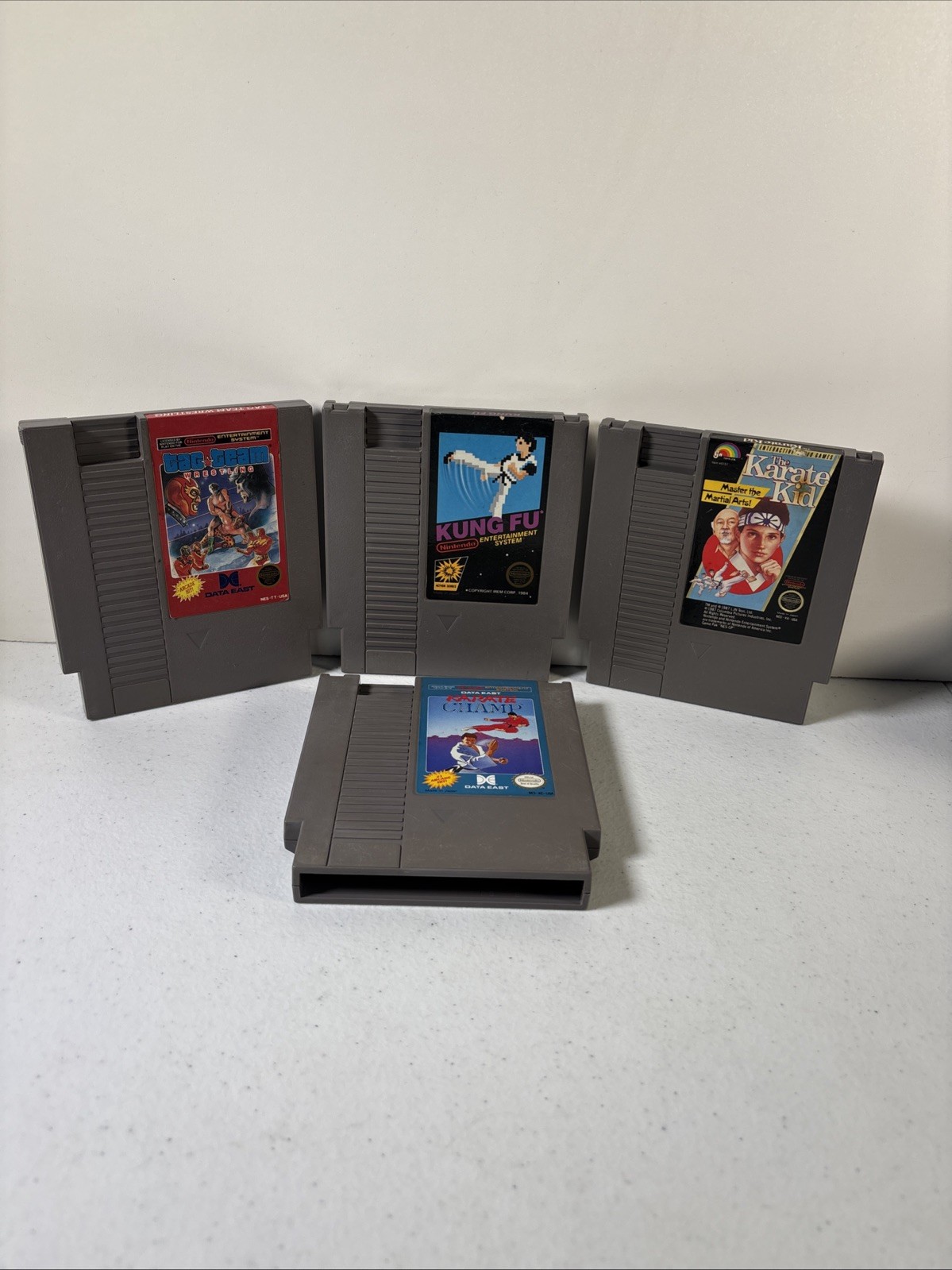


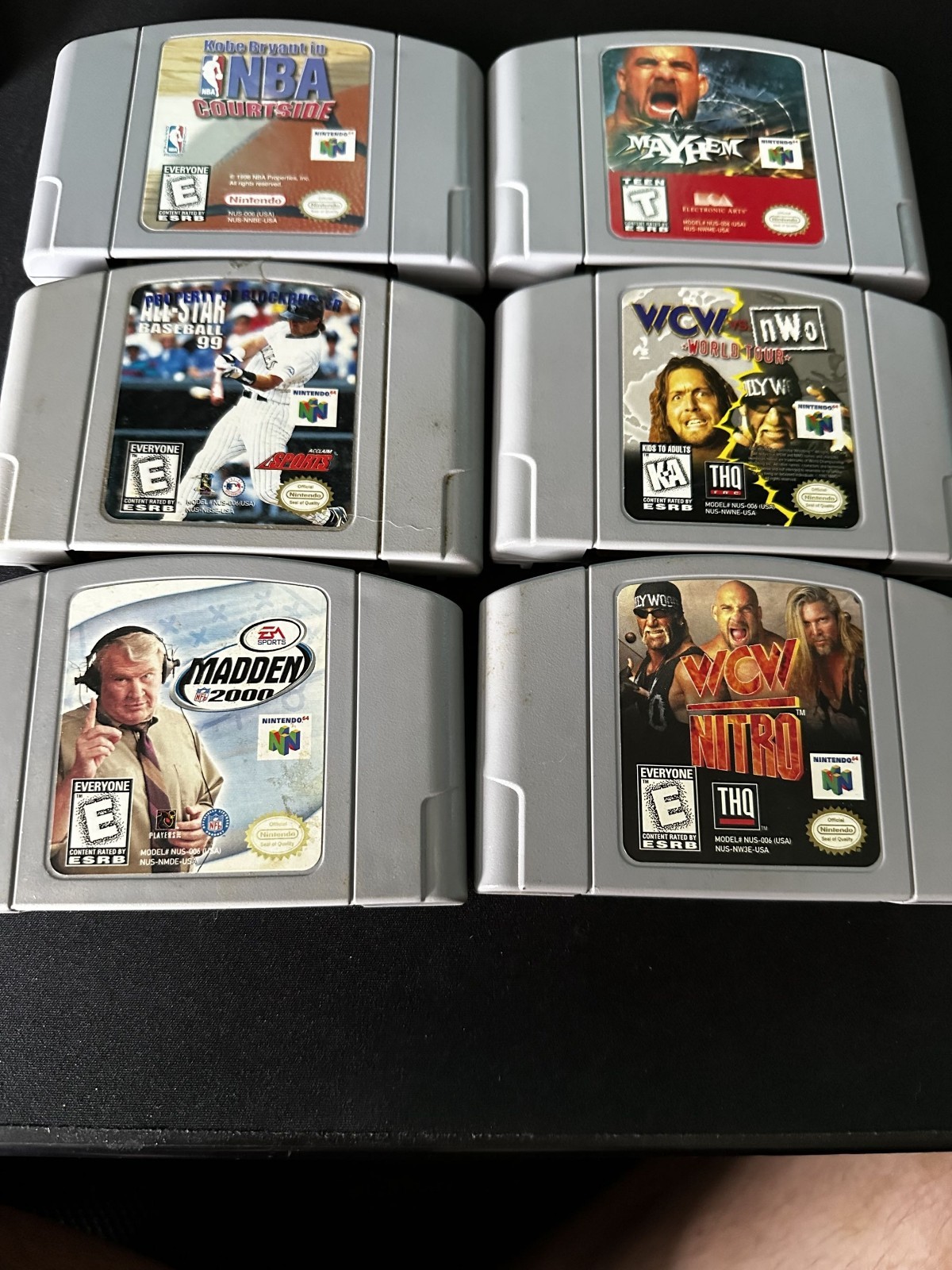
eBay links are affiliate links: JunkPal may earn a commission at no cost to you.
Resale values related to performance benchmark
Shop performance benchmark on eBay ↗



JunkPal may earn a commission when you buy through eBay links, at no extra cost to you.
What’s worth the most
Ranked on medians of real closed eBay sales, not asking prices.