What does “palette shifting” mean?
What it means
Palette shifting in video games is a visual artifact where the displayed color values deviate from the intended design specifications. This is not simply a graphical error; it is a specific technical behavior related to how the game's color palette registers on the display hardware. In the collecting context, it bifurcates into two categories: intentional aesthetic design (a feature) or hardware/data degradation (a fault). If the shift is documented as part of the game's intended visual style—such as specific dithering patterns or intentional color bleeding—it is a recognized, desirable characteristic. If the shift is random, erratic, or appears across multiple, known-good hardware units, it indicates corruption, usually within the ROM or the console's video processing unit.
What it does to price
The impact on price is binary. When palette shifting is an intentional, documented feature, it can add a niche premium, typically resulting in a 10-25% increase over a standard, pristine copy, as it signals authenticity to dedicated enthusiasts. Conversely, if the shift is a fault, the value plummets. A cartridge exhibiting severe, unfixable palette corruption might see its value drop by 40-60% compared to a flawless unit. For example, a standard $50 loose copy with severe, random color banding due to data corruption might trade for $20-$30.
How to spot it
The primary tell is consistency. A genuine aesthetic shift will look consistent across multiple playthroughs and different display mediums (e.g., original console vs. high-quality emulator). A fault will look unstable, flickering, or localized to specific areas of the screen that do not align with the game's design. Sellers must provide high-resolution video captures, not just static screenshots. Look for known hardware limitations of the original system; if the shift exceeds those known limitations, it points toward corruption. No specific edition marker is tied to this, as it is a display issue, not a manufacturing one.
Buying smart
Paying a premium for palette shifting is justified only when the shift is confirmed to be an intentional, celebrated part of the game's unique visual identity. If the game is known for its deliberately lo-fi or glitchy aesthetic, the shift is a feature. If the game is known for its pristine graphical fidelity, and the shift is present, it is a fault, and the premium is unwarranted. A fair deal for a feature-based shift is one where the price increase is modest (under 20%) and the seller provides clear documentation of the intended effect.
Selling smart
To maximize value, the seller must definitively classify the shift. If it is a feature, the listing title and description must explicitly state: "Intentional Palette Shift/Aesthetic Glitch." This targets the specific collector willing to pay for that characteristic. If it is a fault, the listing must state: "Visual Artifact/Color Corruption Present," and the price must reflect the reduced functionality or aesthetic imperfection. The single most valuable piece of evidence is a short, looping video clip demonstrating the shift under normal gameplay conditions.
On eBay right now
Current asking prices from live listings — not sold-comp medians.


eBay links are affiliate links: JunkPal may earn a commission at no cost to you.
Resale values related to palette shifting
Shop palette shifting on eBay ↗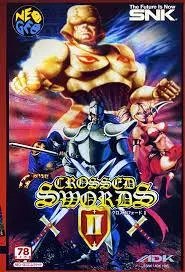

![Vengeance Hunters [Special Edition]](/api/images/junkpal-products/games/vengeance-hunters-special-edition-neo-geo-aes-price/img0/thumb.webp)
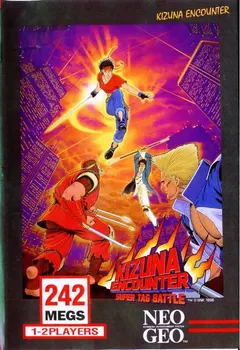



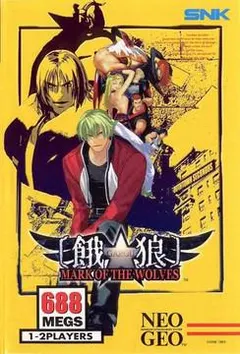
JunkPal may earn a commission when you buy through eBay links, at no extra cost to you.
What’s worth the most
Ranked on medians of real closed eBay sales, not asking prices.