What does “nintendo europe” mean?
What it means
"Nintendo Europe" refers to software (cartridges, discs) and hardware released specifically for the European market by Nintendo. This is distinct from "Nintendo North America" (NTSC-U/C) or "Nintendo Japan" (NTSC-J). The core concept is regionalization. Games are often region-locked, meaning the console’s internal region code prevents software from other territories from functioning correctly. While the short definition mentions packaging, the primary collectible value lies in the specific regional release itself—the localized version. For the collector, this is a geographical identifier, not just a language difference.
What it does to price
Regional designation creates variance in value. A standard European release will typically trade at a baseline price point for that specific title. However, certain European releases carry premiums. If a European version features unique artwork, a specific localized bonus item (e.g., a regional manual variant), or is part of a limited European promotional run, the price can increase by 20% to 75% over a standard regional counterpart. Conversely, if the European version is a common, mass-market release, it will often sell for less than a highly desirable, scarce Japanese or North American variant of the same game. For example, a common European release of a mid-tier title might fetch $40 loose, whereas a rare European limited edition variant could command $100+.
How to spot it
The region is identified via several markers. On cartridges, look for a small country code or region indicator printed near the label or on the plastic casing itself. For disc-based systems, the disc itself will have a region code (e.g., PAL or specific regional markings). The box art and manual language are obvious indicators. Common mistakes involve sellers misidentifying a PAL (European standard) release as a specific national variant (e.g., German vs. French). Fakes are rare for region coding but can occur with bootleg packaging mimicking official regional releases. Always request clear, high-resolution photos of the cartridge label or disc surface showing these markings.
Buying smart
Paying a premium for a European version is justifiable only when the specific regional variant is known to be rare, desirable, or holds unique collector value beyond simple localization. If the game is common and the European version offers no discernible bonus or unique aesthetic appeal, the premium is unwarranted. A fair deal involves the asking price reflecting the known scarcity of that specific regional variant. If the seller cannot provide clear photographic evidence of the region code, the price should be discounted to reflect the risk of misidentification.
Selling smart
Proving the region is a direct driver of perceived value. Listing the exact region (e.g., "Nintendo Europe PAL Release") immediately filters the buyer pool to those actively seeking that specific territory. The single most effective element in a listing is a close-up, well-lit photograph of the region code printed on the cartridge or disc. This removes buyer doubt, validates the listing description, and justifies a higher asking price by confirming authenticity and specificity.
On eBay right now
Current asking prices from live listings — not sold-comp medians.


eBay links are affiliate links: JunkPal may earn a commission at no cost to you.
Resale values related to nintendo europe
Shop nintendo europe on eBay ↗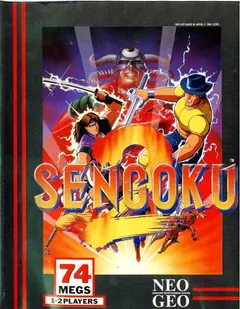
![Vengeance Hunters [Limited Edition]](/api/images/junkpal-products/games/vengeance-hunters-limited-edition-neo-geo-aes-price/img0/thumb.webp)
![Analogue Pocket [Noir Anodized]](/api/images/junkpal-products/games/analogue-pocket-noir-anodized-gameboy-price/img0/thumb.webp)

![Spiderman Maximum Carnage [Collector's Edition]](/api/images/junkpal-products/games/spiderman-maximum-carnage-collector-s-edition-super-nintendo-price/img0/thumb.webp)

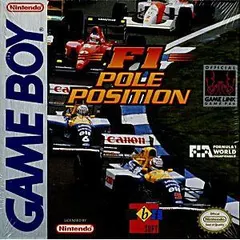
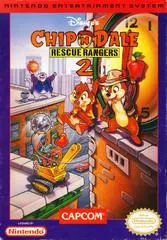
JunkPal may earn a commission when you buy through eBay links, at no extra cost to you.
What’s worth the most
Ranked on medians of real closed eBay sales, not asking prices.