What does “nintendo es” mean?
What it means
"Nintendo ES" refers to the Nintendo Entertainment System (NES), the original console released by Nintendo. This designation identifies the specific hardware platform. In this collecting niche, the term is used interchangeably with NES. The ES designation itself is not a specific model variant but rather the shorthand for the entire system. Value hinges on the completeness of the package: whether it includes the original box (OB), manual, controller, and power supply. A loose unit is the console only; CIB (Complete-in-Box) includes all original packaging and accessories. Regional variations (e.g., US vs. European releases) are also distinct categories affecting value.
What it does to price
Condition drives price dramatically. A loose, working console in good cosmetic shape typically sells at a base value. A CIB unit, especially with an intact box and manual, can fetch 1.5x to 3x the price of a loose unit, depending on the rarity of the box condition. Missing original controller cables or manuals can cause a 20-40% depreciation from a CIB valuation. Conversely, finding a rare regional variant or a system with original, unmodded hardware can introduce significant multipliers, sometimes doubling the CIB premium. For example, a standard CIB NES might sell for $150, but a CIB variant with a specific, hard-to-find regional manual could push that price to $250+.
How to spot it
Identifying the specific hardware revision requires checking the console's label or the cartridge slot markings. Early revisions might have different power supply plugs or specific serial number ranges. Sellers must provide high-resolution photos of the back label, showing the model number and serial number. Common mistakes include sellers listing a heavily repaired or "modded" unit as "original," which drastically lowers collector appeal. Fakes are rare for the console itself but common for accessories. Always ask for photos of the original box's barcode and copyright information to verify authenticity against known regional print runs.
Buying smart
Paying a premium is justified when the item is verified CIB, especially if the box shows minimal shelf wear. If the goal is simply to play the system, a loose, functional unit is the most economical choice. Paying top dollar for a CIB unit is worthwhile only if the buyer intends to display it or complete a collection. A fair deal for a standard, well-preserved CIB unit is typically within 10-15% of the established market average for that region. If the seller is asking for 3x the average price without documented, verifiable rarity, the deal is likely inflated.
Selling smart
Listing a unit as "CIB" or "Complete" immediately qualifies it for the higher tier of buyer interest. Proving completeness is the primary driver of premium pricing. The single most effective element in a listing is a clear, well-lit photograph showing the console, the box, and the manual all together, ideally with the serial number visible on the console. Adding the specific region (e.g., "US NES CIB") in the title prevents miscategorization. Highlighting the condition of the box (e.g., "Near Mint Box") allows the seller to command the highest possible price bracket.
On eBay right now
Current asking prices from live listings — not sold-comp medians.


eBay links are affiliate links: JunkPal may earn a commission at no cost to you.
Resale values related to nintendo es
Shop nintendo es on eBay ↗


![Analogue Super Nt [Black]](/api/images/junkpal-products/games/analogue-super-nt-black-super-nintendo-price/img0/thumb.webp)


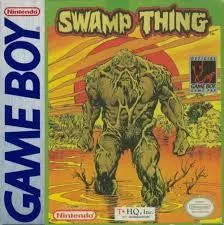
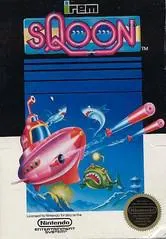
JunkPal may earn a commission when you buy through eBay links, at no extra cost to you.
What’s worth the most
Ranked on medians of real closed eBay sales, not asking prices.