What does “modified” mean?
What it means
"Modified" refers to any deviation from the original, factory-released state of a video game product. This encompasses software alterations (ROM hacks, texture replacements, gameplay patches) and hardware alterations (modded consoles, custom cartridge internals). The term is highly ambiguous. For collectors, the intent and scope of the change are everything. A preservation modification, such as fixing a known bug in an old cartridge, may retain or increase value. Conversely, unauthorized, non-functional cosmetic changes or performance hacks generally decrease market appeal to mainstream buyers. The distinction between a cosmetic change and a functional gameplay alteration is critical for valuation.
What it does to price
Pricing impact is entirely dependent on the modification's nature. A minor, non-functional cosmetic change might result in a 10-20% price reduction compared to stock. A professionally executed, documented preservation mod could command a 1.5x to 2x premium over a standard loose copy, provided the modification is recognized within the community. Functional gameplay changes are high-risk; if the modification breaks core functionality, the value plummets to near zero. For example, a cartridge with a known, community-approved quality-of-life patch might sell for $25 more than the original version in a niche market, but $5 less in a general marketplace.
How to spot it
Visual inspection is often insufficient. Software mods are invisible externally. Hardware modifications require disassembly or detailed photographs of internal components. Look for non-standard labeling, unusual solder points, or visible aftermarket components on the console or cartridge shell. Sellers must provide high-resolution photos of the game running, if possible, to confirm functionality. Common mistakes include amateur soldering or using non-original, low-quality replacement parts, which signals low value.
Buying smart
Paying a premium for a "modified" item is only justifiable when the modification is documented, reversible, and enhances the game's integrity or preservation state. If the modification is obscure, undocumented, or purely for novelty, the premium is unwarranted. A fair deal requires the seller to provide a clear, written description detailing *what* was changed, *why* it was changed, and *who* performed the work. If the seller cannot provide this detail, the item should be treated as a high-risk purchase.
Selling smart
To maximize returns, the modification must be clearly categorized. Do not simply list it as "Modified." Use specific terminology: "ROM Hacked: [Specific Hack Name]" or "Hardware Mod: [Specific Component Change]." The single most valuable asset in a listing is a photograph showing the modification in action or a clear, professional photo of the internal workings. This documentation transforms the item from a vague curiosity into a specialized piece of memorabilia, justifying a significant price increase among knowledgeable buyers.
On eBay right now
Current asking prices from live listings — not sold-comp medians.
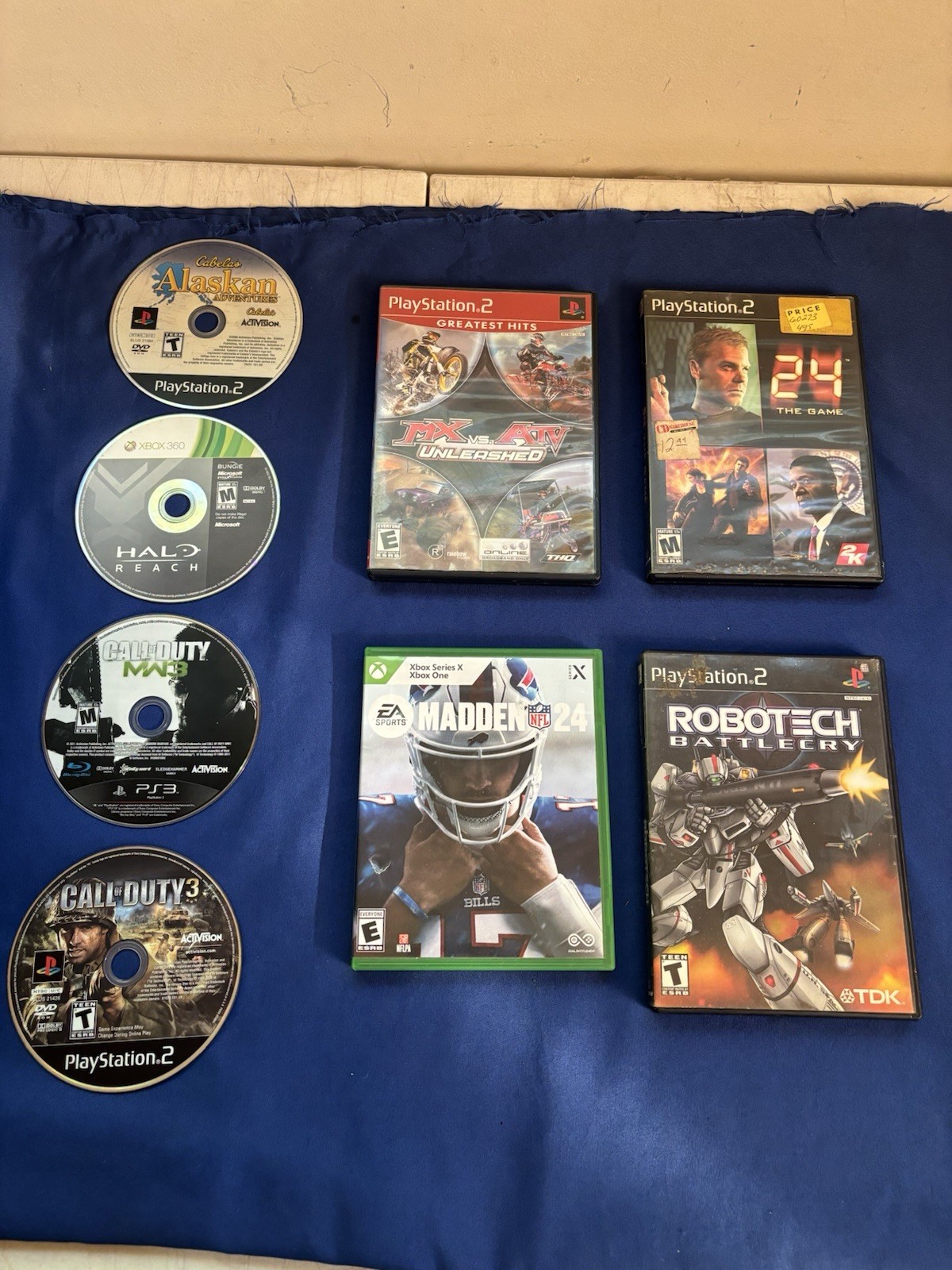


eBay links are affiliate links: JunkPal may earn a commission at no cost to you.
Resale values related to modified
Shop modified on eBay ↗

![The Updated Donkey Kong Pie Factory [Homebrew]](/api/images/junkpal-products/games/the-updated-donkey-kong-pie-factory-homebrew-nes-price/img0/thumb.webp)
![Rampage 2 Universal Tour [Big Box]](/api/images/junkpal-products/games/rampage-2-universal-tour-big-box-nintendo-64-price/img0/thumb.webp)
![Xeno Crisis [Collector's Edition]](/api/images/junkpal-products/games/xeno-crisis-collector-s-edition-neo-geo-aes-price/img0/thumb.webp)
![Super Mario Bros 2 The Lost Levels [Homebrew]](/api/images/junkpal-products/games/super-mario-bros-2-the-lost-levels-homebrew-nes-price/img0/thumb.webp)
JunkPal may earn a commission when you buy through eBay links, at no extra cost to you.
What’s worth the most
Ranked on medians of real closed eBay sales, not asking prices.