What does “modern-retro” mean?
What it means
Modern-retro refers to video games that intentionally fuse the visual, auditory, or mechanical design language of older gaming eras (e.g., 8-bit, 16-bit, early polygonal aesthetics) with modern development techniques, hardware capabilities, or gameplay mechanics. This is a stylistic category, not a chronological one. The mainstream equivalent is often labeled "pixel art," "throwback," or "stylized retro." The key differentiator is the *intentional* blend; a game that simply uses old graphics without modern polish or mechanics does not qualify.
What it does to price
The modern-retro niche commands a premium over standard contemporary indie titles due to built-in nostalgia appeal. A well-marketed, highly polished modern-retro title, especially if it's a definitive collection or high-profile indie hit, can see a loose copy fetch 1.2x to 2.5x the price of a similarly priced, non-stylized contemporary title. Factors pushing price up include high production value despite the retro aesthetic, critical acclaim, and strong developer recognition. A low-effort imitation, conversely, may sell for only 0.7x the market rate of a genuine example. For example, a highly praised, modern-retro platformer might sell for $40 when a standard indie platformer sells for $25.
How to spot it
The tells are in the execution. Look for high-fidelity pixel rendering (clean sprites, smooth animation interpolation) rather than crude emulation. Check for modern quality-of-life features integrated into the retro shell—like modern save systems, dynamic difficulty scaling, or complex modern UI overlays. For physical releases, check the packaging for dual branding; often, the box art will juxtapose classic iconography with modern design elements. Common mistakes are games that merely *mimic* old graphics without modern polish; these are often labeled "retro" but lack the "modern" component necessary for the premium.
Buying smart
Paying a premium is justified when the game successfully executes the blend—meaning the modern mechanics genuinely enhance the retro feel, not just overlay it. Purchase when the game has established critical success or strong community buzz, indicating the aesthetic choice resonates widely. Avoid overpaying for niche, unreviewed titles claiming the tag. A fair deal involves the price reflecting the *quality* of the blend, not just the *presence* of the aesthetic. If a game looks old but plays like a rushed mobile title, the premium is unwarranted.
Selling smart
Listing must explicitly use the term "modern-retro" or "stylized throwback" in the title and description. Do not just list it as "pixel art." The single most effective element is a side-by-side comparison image: one screenshot showing the retro aesthetic in action, and a second screenshot showing a modern UI element or a complex modern gameplay feature. This visual proof validates the hybrid nature, immediately justifying the higher price point to informed buyers.
On eBay right now
Current asking prices from live listings — not sold-comp medians.


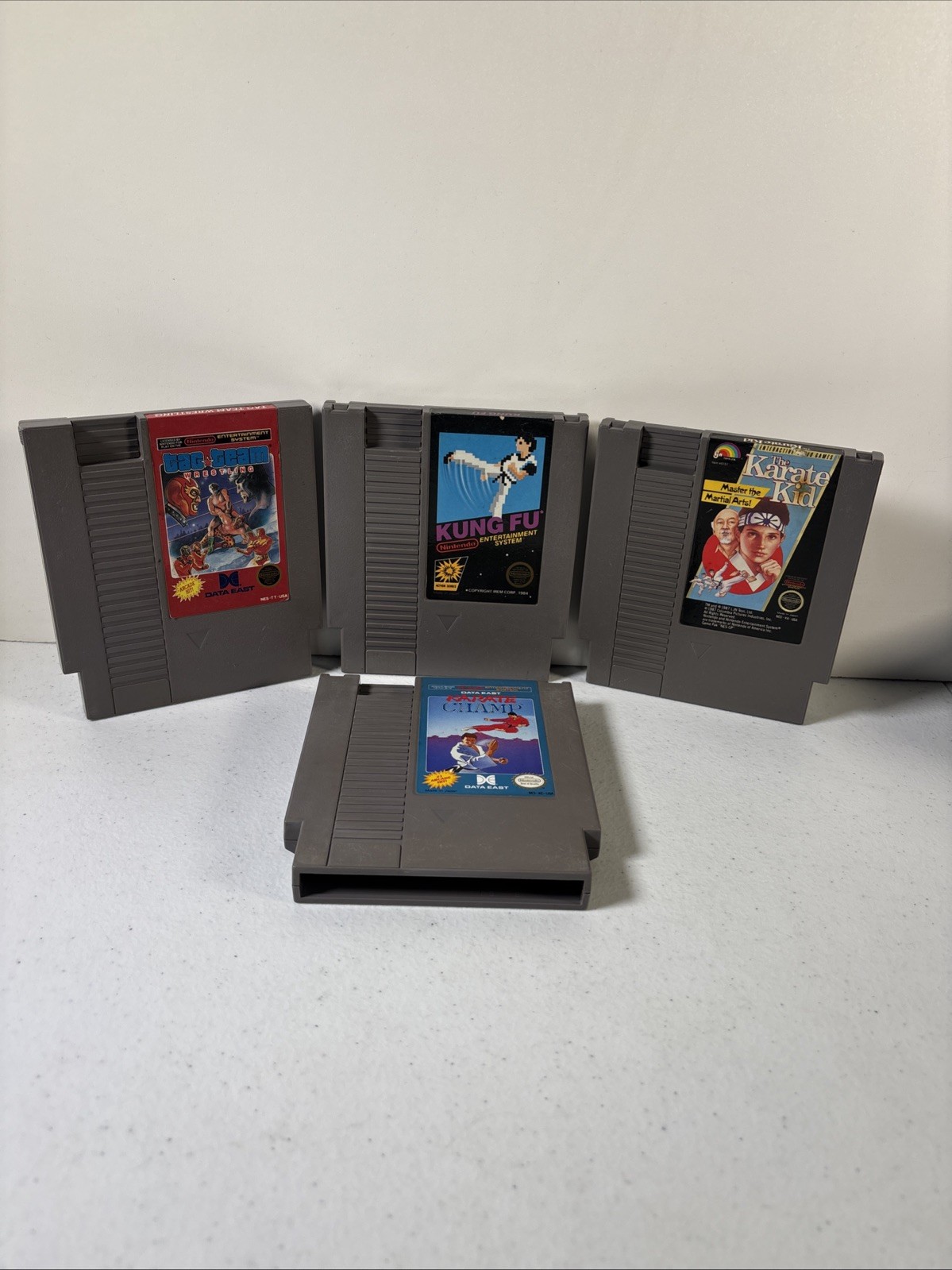


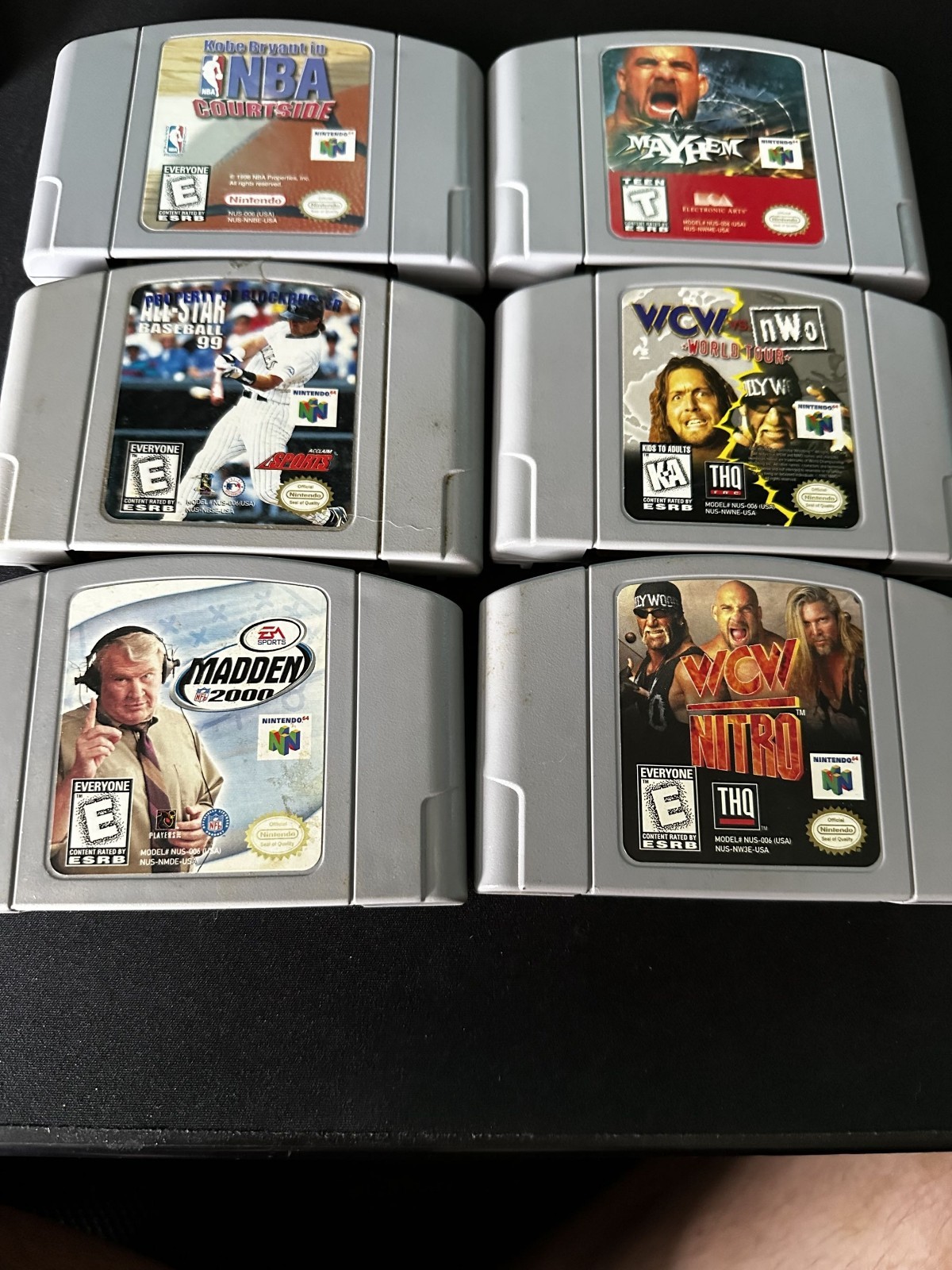
eBay links are affiliate links: JunkPal may earn a commission at no cost to you.
Resale values related to modern-retro
Shop modern-retro on eBay ↗


![Superman [Tele Games Picture Label]](/api/images/junkpal-products/games/superman-tele-games-picture-label-atari-2600-price/img0/thumb.webp)

JunkPal may earn a commission when you buy through eBay links, at no extra cost to you.
What’s worth the most
Ranked on medians of real closed eBay sales, not asking prices.