What does “license” mean?
What it means
In the video game collecting niche, a "license" is the legal authorization granted by the intellectual property (IP) owner—the original rights holder (e.g., Nintendo, Disney)—to the company that produces and distributes the physical game product. This is distinct from the publisher's license to manufacture. For collectors, the license confirms the item is an authentic, officially sanctioned release. Unlicensed or counterfeit items lack this authorization and are considered unauthorized reproductions. The mainstream equivalent is official product certification. The presence of a valid license verifies the product belongs to the established, legitimate product line.
What it does to price
Authenticity, proven by licensing, is a primary driver of value. A complete-in-box (CIB) copy with verifiable licensing information typically commands a 1.5x to 3x premium over a loose copy of the same title, assuming condition parity. Items with clear licensing documentation (e.g., official manufacturer holograms, correct regional markings) avoid the steep devaluation associated with grey market or bootleg versions. A $50 loose copy of a sought-after title might drop to $15-$25 if the packaging shows signs of unauthorized reproduction or missing official markings.
How to spot it
Verification requires inspecting multiple points. Check the copyright dates and manufacturer logos on the box, manual, and the physical media itself. Look for specific edition markers or seals unique to official releases. Common fakes often have blurry logos, incorrect font usage, or mismatched UPC/SKU information between the packaging and the game disc/cartridge. If the game features a major IP (e.g., Mario, Star Wars), cross-referencing the product code against the official IP holder's database is the most reliable check. Request high-resolution photos of the back cover and the disc/cartridge label.
Buying smart
Paying a premium for licensing verification is warranted when acquiring high-value, definitive collector pieces, such as first-run limited editions or sealed copies of highly sought-after titles. If the market price is within 10-20% of the established "licensed" price point, the risk is low. However, paying a 50%+ premium for a game where the licensing is questionable or unverified is speculative. A fair deal involves the listed price aligning closely with established sales data for verified, authentic copies of that specific SKU.
Selling smart
Proving the item's licensed status directly supports the asking price. Listing language must explicitly state "Officially Licensed" or "Authentic Manufacturer Release." The single most effective element to earn a premium is a clear, well-lit photograph of the product's copyright page or the official regulatory/licensing stamp found on the packaging insert. This visual evidence shifts the item from a "potential collectible" to a "verified artifact," justifying higher bids from serious collectors.
On eBay right now
Current asking prices from live listings — not sold-comp medians.


eBay links are affiliate links: JunkPal may earn a commission at no cost to you.
Resale values related to license
Shop license on eBay ↗![Secret Scout [Blue]](/api/images/junkpal-products/games/secret-scout-blue-nes-price/img0/thumb.webp)
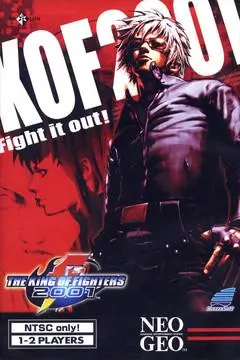

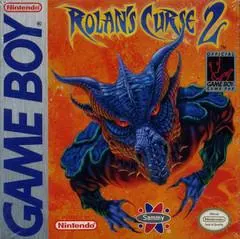


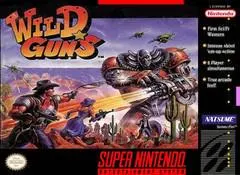
![Analogue Pocket [Black Anodized]](/api/images/junkpal-products/games/analogue-pocket-black-anodized-gameboy-price/img0/thumb.webp)
JunkPal may earn a commission when you buy through eBay links, at no extra cost to you.
What’s worth the most
Ranked on medians of real closed eBay sales, not asking prices.