What does “late run” mean?
What it means
A late run video game is a title released substantially after its initial marketing window or during a period of high market saturation. This is not simply a game released late in a console generation; it implies the title arrived when consumer interest in that specific genre or platform was already waning or dominated by newer, more hyped releases. Mainstream collectors often overlook these titles. For the serious collector, however, a late run can signify a "deep cut"—a niche item that gains value through dedicated enthusiast interest rather than mass appeal. The status itself is a descriptor of market timing, not inherent quality.
What it does to price
The pricing impact is highly variable. Generally, late run titles face lower baseline demand, often resulting in lower initial secondary market prices compared to contemporaneous hits. A loose copy might start at 25-40% of a comparable early-run title. Value increases when the game demonstrates exceptional niche appeal or critical acclaim despite its late arrival. If a late run title secures a dedicated cult following, a complete-in-box (CIB) copy can see a multiplier of 1.8x to 3x compared to its initial low listing price. For example, a niche late-run RPG might sell for $150 CIB when its initial resale value was only $40.
How to spot it
Identifying a late run requires checking release dates against the console's established lifecycle. Look for titles released in the final 12-18 months of a console's primary sales cycle, especially if the publisher was shifting focus to next-gen hardware. Specific edition markers are rare for this category; the tell is often the marketing narrative surrounding the game's release—was it a "last hurrah" title, or a delayed port? Always request screenshots of the box art and any promotional materials to confirm the actual release window. Fakes are less common for late runs unless the game is highly desirable; the main risk is misjudging its obscurity.
Buying smart
Paying a premium for a late run title is justified only when verifiable evidence of sustained, dedicated community engagement exists. If the game has a small but vocal fanbase discussing its merits (e.g., specific mechanics, hidden content), the premium is warranted. Avoid buying based solely on the nostalgia of the platform. A fair deal involves a price that reflects its obscurity but acknowledges its unique merits. If the game is obscure and has no documented community interest, the price should remain near the lowest end of the market range.
Selling smart
To maximize returns, the listing must frame the game's obscurity as a feature, not a flaw. Do not list it as "old stock"; list it as a "cult classic" or "deep cut." The single most effective element in a listing is a high-resolution photo of the box showing the full, unblemished spine and any unique regional text. Adding a brief, factual note referencing its niche appeal (e.g., "Highly regarded by niche strategy communities") shifts the perception from "leftover inventory" to "curated piece," justifying a higher price point.
On eBay right now
Current asking prices from live listings — not sold-comp medians.


eBay links are affiliate links: JunkPal may earn a commission at no cost to you.
Resale values related to late run
Shop late run on eBay ↗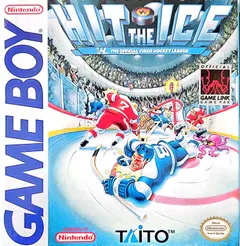
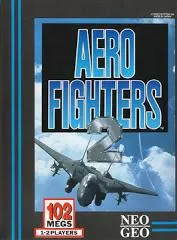
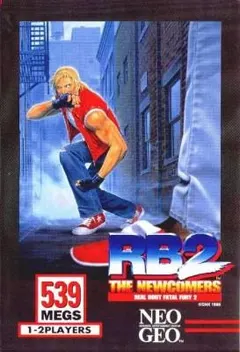
![Galf [Gold]](/api/images/junkpal-products/games/galf-gold-nes-price/img0/thumb.webp)

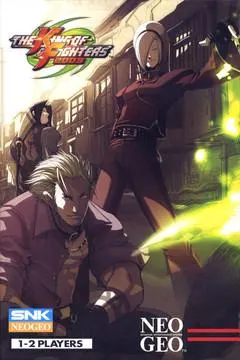

JunkPal may earn a commission when you buy through eBay links, at no extra cost to you.
What’s worth the most
Ranked on medians of real closed eBay sales, not asking prices.