What does “indie game” mean?
What it means
An indie game is a title developed and published outside the major, established AAA publishing infrastructure. This is not merely a matter of budget; it refers to the development pipeline and ownership structure. Mainstream equivalent: Small-scale, self-published, or niche-market video games. In the collecting niche, the value is tied to the developer's vision and the game's cultural footprint rather than mass-market appeal. Unlike AAA titles, indie games often prioritize experimental mechanics, unique aesthetics, or highly specific thematic content. Scarcity is a primary driver of value, especially for early digital releases or limited physical runs.
What it does to price
Pricing is highly volatile and dependent on the game's critical reception and developer recognition. A highly acclaimed, critically lauded indie title can see value multipliers of 3x to 10x compared to a similarly aged, obscure title. A low-profile indie game, even if technically pristine, may hold minimal resale value unless it possesses significant cultural cachet. For a recognized indie hit, a sealed physical copy might command 2x to 4x the price of a loose copy. Conversely, a poorly received or functionally broken indie title can drop to near-zero value. For example, a niche, cult-favorite indie title might sell for $150 sealed, while a generic, unreviewed indie title might sell for $15 loose.
How to spot it
The tell is the publisher listed on the box or digital storefront. If the publisher is a small, specialized studio (e.g., a single-name entity or a micro-publisher) rather than a major conglomerate (e.g., EA, Ubisoft), it is likely indie. For physical copies, look for small print credits listing the developer/publisher, often located on the back cover or manual. Digital verification requires checking the original storefront listing (Steam, itch.io, GOG) to confirm the developer profile. Common mistakes include mislabeling a heavily modded title as original, or confusing a "remastered" indie release with the original, which significantly impacts value.
Buying smart
Paying a premium is justified when the game is demonstrably a "cult classic" or features genuinely groundbreaking design that has influenced later titles. If the game is obscure, has poor reviews, and lacks any demonstrable connection to a recognized developer, the premium is unwarranted. A fair deal for a highly desired indie title is when the asking price reflects its scarcity *and* its critical standing. If a sought-after, limited-run indie title is listed at 5x its typical market value without documented provenance (proof of origin), it is likely an overprice.
Selling smart
Listing must immediately establish the game's independent nature. The word "Indie" in the title or description is baseline. To earn the premium, the listing must provide proof of its limited nature. The single most valuable asset to include is a photograph of the original, specific edition marker—a unique sticker, a numbered certificate, or the specific publisher logo on the box flap. If the game is digital, providing a screenshot of the original, limited-run digital key confirmation page is essential. This shifts the item from a generic "video game" to a verified "collector artifact."
On eBay right now
Current asking prices from live listings — not sold-comp medians.


eBay links are affiliate links: JunkPal may earn a commission at no cost to you.
Resale values related to indie game
Shop indie game on eBay ↗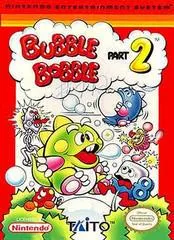

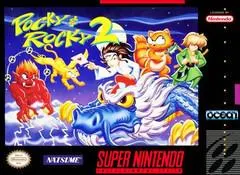
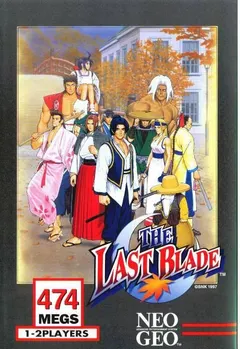
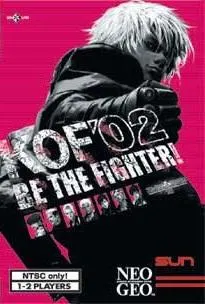
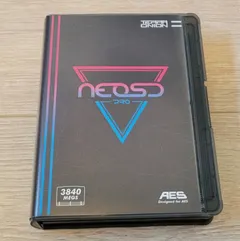
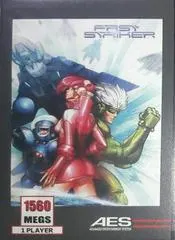
JunkPal may earn a commission when you buy through eBay links, at no extra cost to you.
What’s worth the most
Ranked on medians of real closed eBay sales, not asking prices.