What does “homebrew” mean?
What it means
Homebrew refers to software titles created by independent developers outside of established, commercial game studios. These are not officially licensed products. The mainstream equivalent is independent development, but in the collecting niche, the focus is on the *platform*—often older, niche, or less-supported consoles where official releases were scarce. Homebrew showcases technical proficiency and creative experimentation rather than mass-market appeal. It is digital software, not physical media, though it may be packaged on physical media (e.g., cartridges or discs).
What it does to price
Pricing is highly volatile, dependent on the platform's collector base and the developer's reputation. A rare, technically complex homebrew title for a niche system can command 5x to 15x the price of a standard, low-tier commercial title for the same system. A common, simple title might sell for $5-$15 loose. Value increases exponentially with scarcity and technical achievement (e.g., achieving a specific graphical effect on limited hardware). A well-documented, highly complex title might sell for $150+, whereas an unverified, simple title might only fetch $20.
How to spot it
The primary tell is the absence of official publisher logos or trademarks. Homebrew titles often use generic or self-created branding. For physical media, look for unusual cartridge labels, custom etching, or documentation that references specific, non-standard development tools. Digital copies require verification of the file structure or emulation environment it runs in. Common mistakes include mislabeling a modified commercial ROM as "homebrew," which drastically lowers value. Always ask for developer documentation or a brief description of the development environment.
Buying smart
Paying a premium is justified when the title represents a significant technical milestone for the platform or when the developer is known for high-quality, innovative work. It is not worth the premium for simple, derivative recreations or titles with no discernible technical merit. A fair deal involves a price that reflects the difficulty of the programming, not just the novelty. If the title is obscure and the developer is unknown, expect a steep discount (25-40% below initial asking).
Selling smart
Proof of provenance is the primary value driver. Listing the developer's name and linking to their public portfolio or development history immediately elevates the perceived value. The single most effective addition to a listing is a screenshot or short video clip demonstrating the game running on its target hardware, confirming functionality. Including a brief, factual statement about the game's technical achievement (e.g., "First 3D environment on this system") earns the premium over a simple "for sale" listing.
On eBay right now
Current asking prices from live listings — not sold-comp medians.


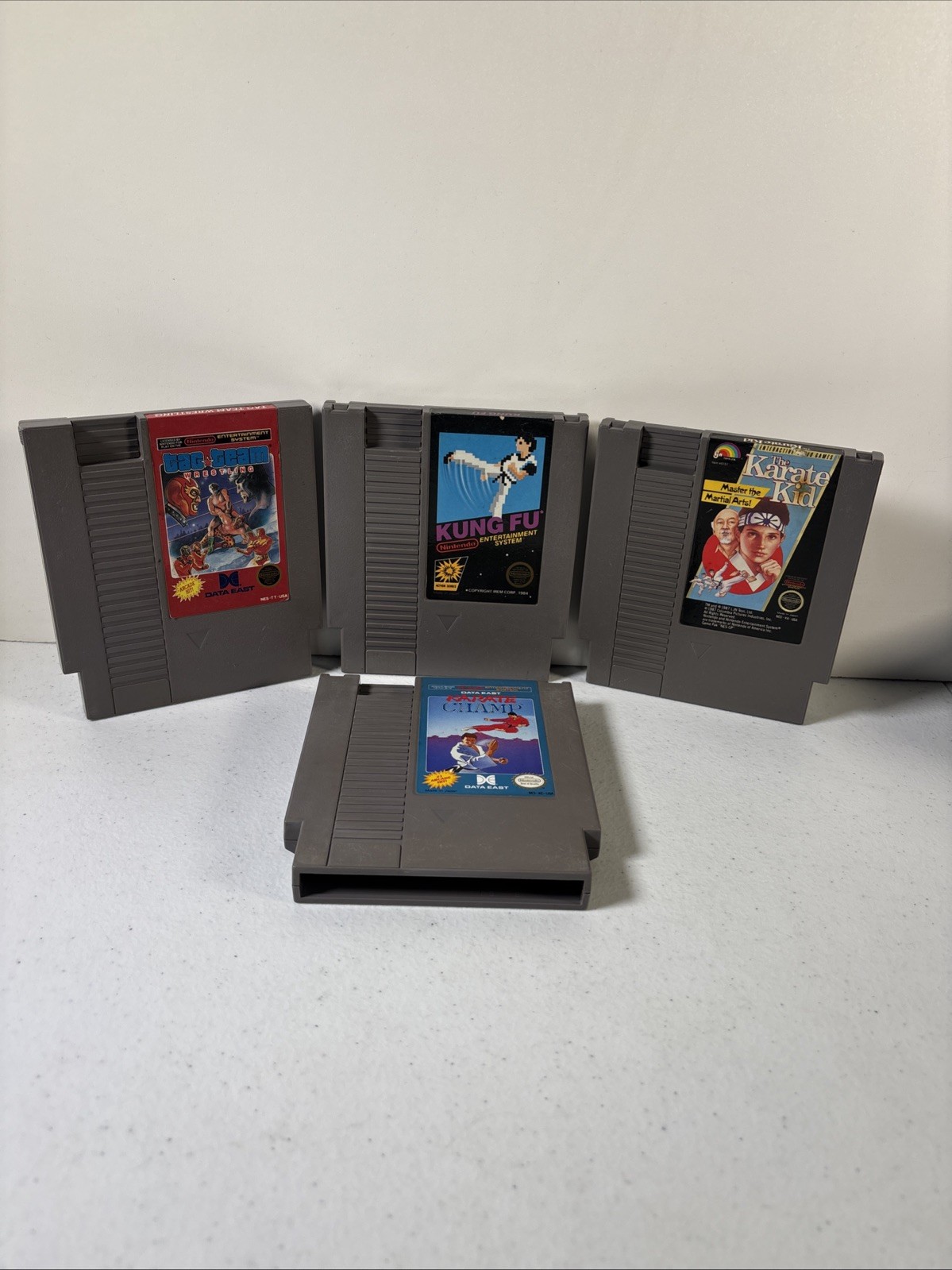


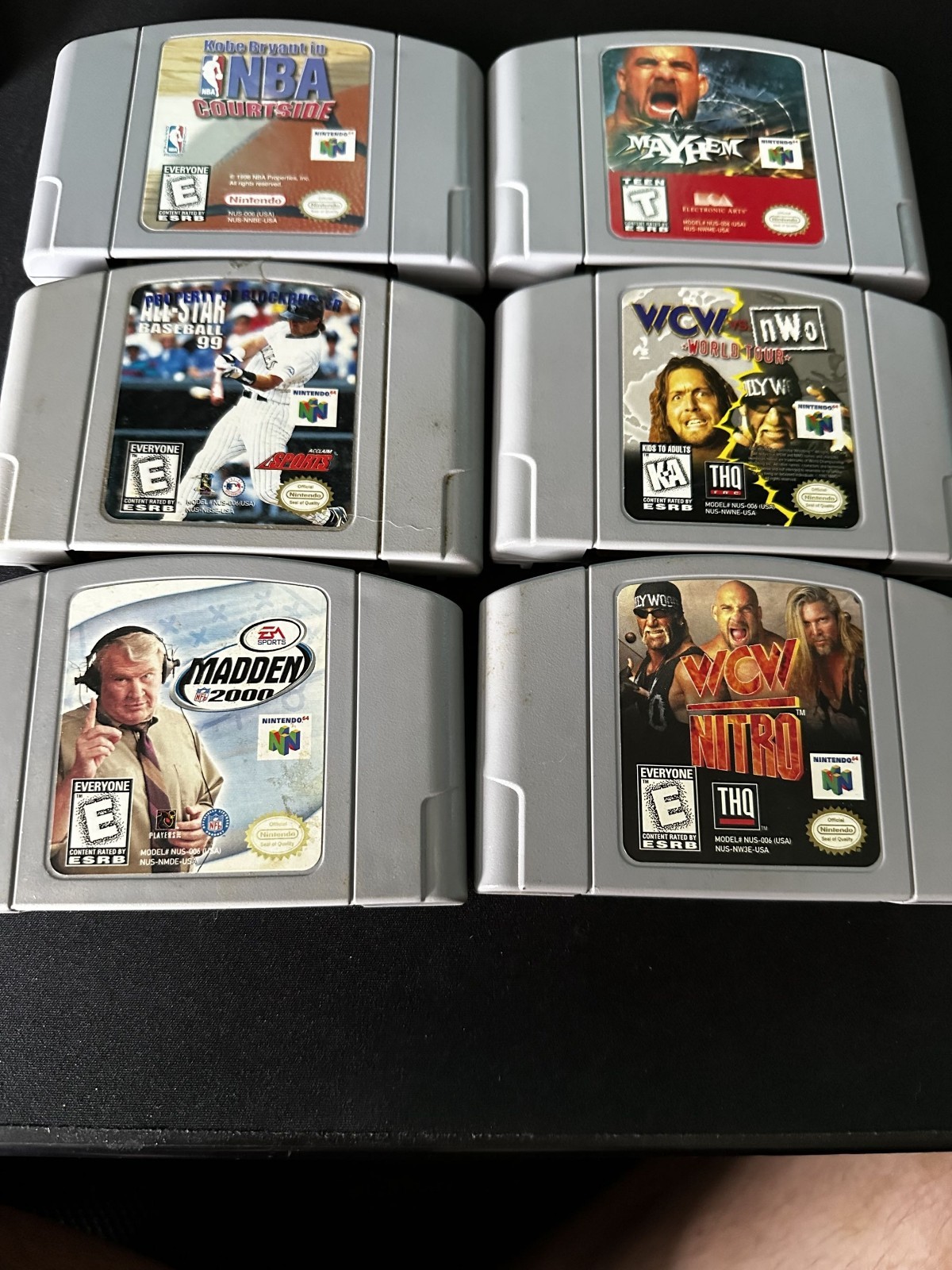
eBay links are affiliate links: JunkPal may earn a commission at no cost to you.
Resale values related to homebrew
Shop homebrew on eBay ↗
![Dualsense Wireless Controller [Play Has No Limits 2022]](/api/images/junkpal-products/games/dualsense-wireless-controller-play-has-no-limits-2022-playstation-5-price/img0/thumb.webp)

![Gotcha [5 Screw]](/api/images/junkpal-products/games/gotcha-5-screw-nes-price/img0/thumb.webp)
JunkPal may earn a commission when you buy through eBay links, at no extra cost to you.
What’s worth the most
Ranked on medians of real closed eBay sales, not asking prices.