What does “grey card” mean?
What it means
"Grey card" refers to a video game or media item lacking original, verifiable retail packaging. This is distinct from used but complete copies. It signifies an item that was not sold through standard, authorized retail distribution channels. The mainstream equivalent is an "unboxed" or "loose" copy. The term often implies the item was acquired via secondary, non-official markets. For collectors, the primary concern is the lack of factory provenance—the original box, manual, and shrink wrap.
What it does to price
The absence of original packaging creates a significant downward pressure on value compared to a Complete In Box (CIB) copy. Generally, a loose grey card copy fetches 30% to 60% less than a comparable CIB version, depending on the game's rarity. If the item is rare and highly sought after, the premium for the *game itself* might partially offset the packaging loss. For example, a rare, high-demand title might sell for $150 loose, whereas the CIB version could command $250 or more. Conversely, common titles see the value drop dramatically; a $50 CIB game might sell for $20 loose.
How to spot it
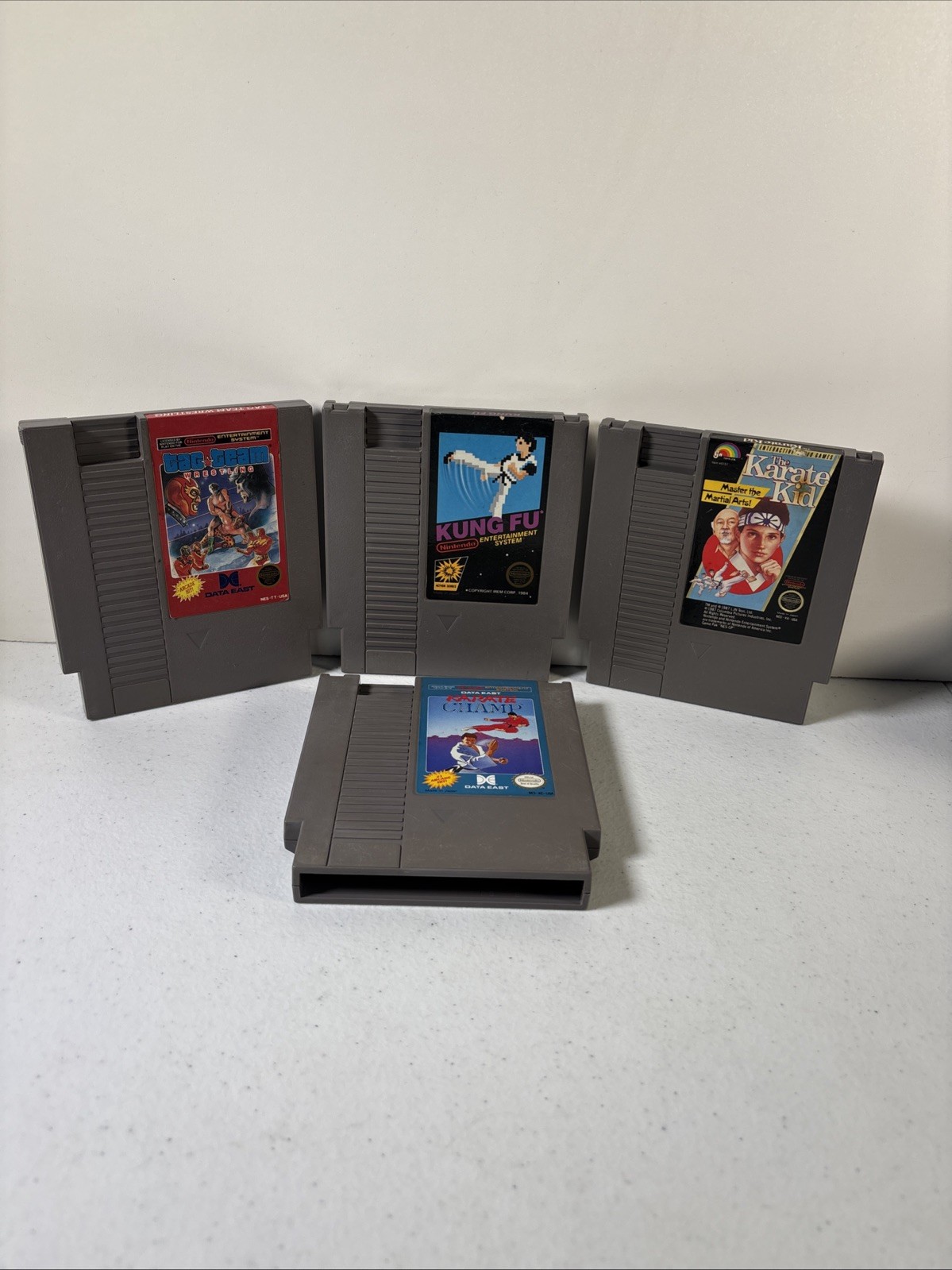
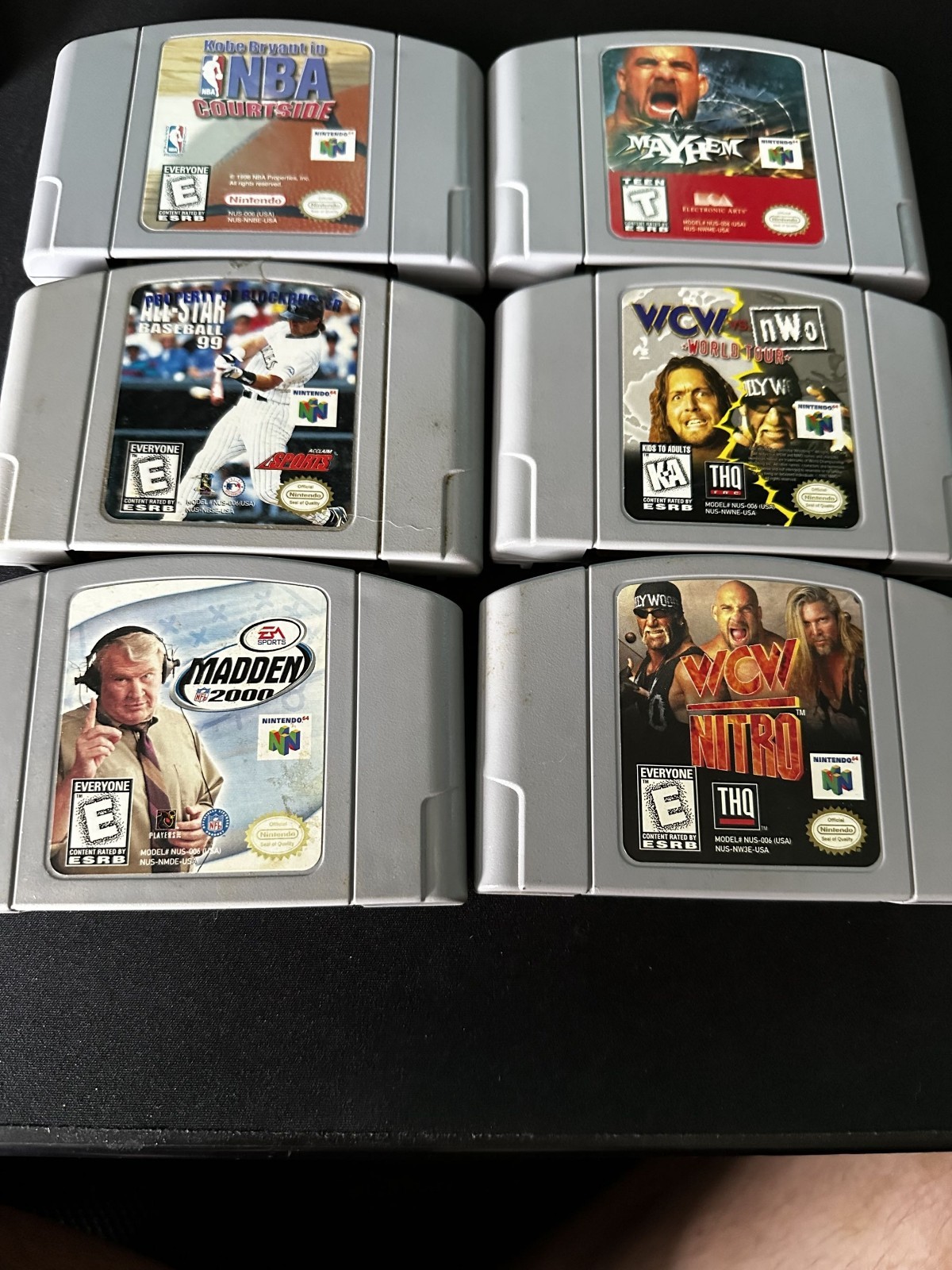
The tell is the absence of the original retail shell. Buyers must inspect the item itself. If the game is a cartridge or disc, check the label for any signs of unauthorized printing or tampering. Sellers must provide high-resolution photos of the physical item, not just the front cover. Common pitfalls include sellers confusing a "loose" copy with a "grey card" item; a grey card implies questionable sourcing, not just missing box art. Always ask for photos of the disc/cartridge label and any included inserts, even if the box is missing.
Buying smart
Paying a premium for a grey card copy is only justifiable when the game itself is extremely rare, and the condition of the media (disc/cartridge) is near-mint. If the game is common or mid-tier, the risk associated with unofficial sourcing outweighs any potential savings. A fair deal for a grey card item is one priced significantly below the established market rate for the CIB version, accounting for the lack of packaging and the associated risk of counterfeiting. If the price is within 10-15% of the CIB price, the risk is too high.
Selling smart
To maximize return, the listing must clearly define the item as "Loose" or "Grey Card," avoiding misleading terms. Transparency regarding the lack of original packaging is mandatory. The one element that earns a premium is irrefutable proof of the media's authenticity—a clear, sharp photograph of the game's serial number (if applicable) or the disc/cartridge label showing no signs of aftermarket alteration. Listing the item with explicit details about its condition (e.g., "Cartridge: Mint, Label: Minor Scuff") manages buyer expectations and justifies the final asking price.
On eBay right now
Current asking prices from live listings — not sold-comp medians.




eBay links are affiliate links: JunkPal may earn a commission at no cost to you.
Resale values related to grey card
Shop grey card on eBay ↗![Pokemon Box [Big Box]](/api/images/junkpal-products/games/pokemon-box-big-box-gamecube-price/img0/thumb.webp)


![Uncharted 2: Among Thieves [Fortune Hunter Edition]](/api/images/junkpal-products/games/uncharted-2-among-thieves-fortune-hunter-edition-playstation-3-price/img0/thumb.webp)

JunkPal may earn a commission when you buy through eBay links, at no extra cost to you.
What’s worth the most
Ranked on medians of real closed eBay sales, not asking prices.