What does “gameplay” mean?
What it means
Gameplay refers to the interactive core of a video game—the rules, mechanics, progression loop, and perceived fun factor. In the collecting context, this is not a physical attribute of the cartridge or disc. It is the *reputation* of the game derived from its design. A game with highly praised gameplay (e.g., deep combat, innovative level design) has higher market desirability than a technically polished game with shallow mechanics. This reputation translates directly into sustained collector interest, regardless of the physical condition of the media.
What it does to price
Gameplay reputation acts as a demand multiplier. A title with universally acclaimed gameplay maintains a higher floor price and experiences less depreciation. A highly sought-after, critically praised title might command a 1.8x to 3x premium over a comparable, poorly reviewed title in the exact same condition (e.g., both NTSC NES cartridges in mint condition). For example, a highly praised launch title might sell for $150, while a mechanically weak title from the same console generation might sell for $75, even if both are sealed. Poor gameplay leads to quick market saturation and price drops.
How to spot it
Gameplay is not visible on the box art or cartridge itself. To assess this, external data must be used. Collectors look for consensus reviews from reputable sources (e.g., Metacritic scores, established gaming publications). Sellers should be prepared to provide links to high-quality gameplay footage or recent positive discussion threads. There are no physical markers for gameplay quality. The only "tells" are the established critical reception surrounding the title.
Buying smart
Paying a premium based on gameplay reputation is justified when the title is a recognized genre benchmark or a cultural touchstone. If a game is known for groundbreaking mechanics (e.g., early *Zelda* titles), the premium is warranted for long-term holding. It is not worth paying a significant premium if the game is niche, poorly reviewed, and the only reason for the high price is scarcity rather than quality. A fair deal reflects the established critical consensus; if a game is widely panned, the price should reflect that weakness.
Selling smart
Listing must leverage the game's critical standing. The word "Classic" or citing a high Metacritic score in the description immediately signals quality to informed buyers. The single most effective tactic is linking a brief, positive gameplay clip in the listing description. This allows potential buyers to verify the reputation immediately, justifying a higher asking price and filtering out low-intent buyers who are only interested in the plastic.
On eBay right now
Current asking prices from live listings — not sold-comp medians.
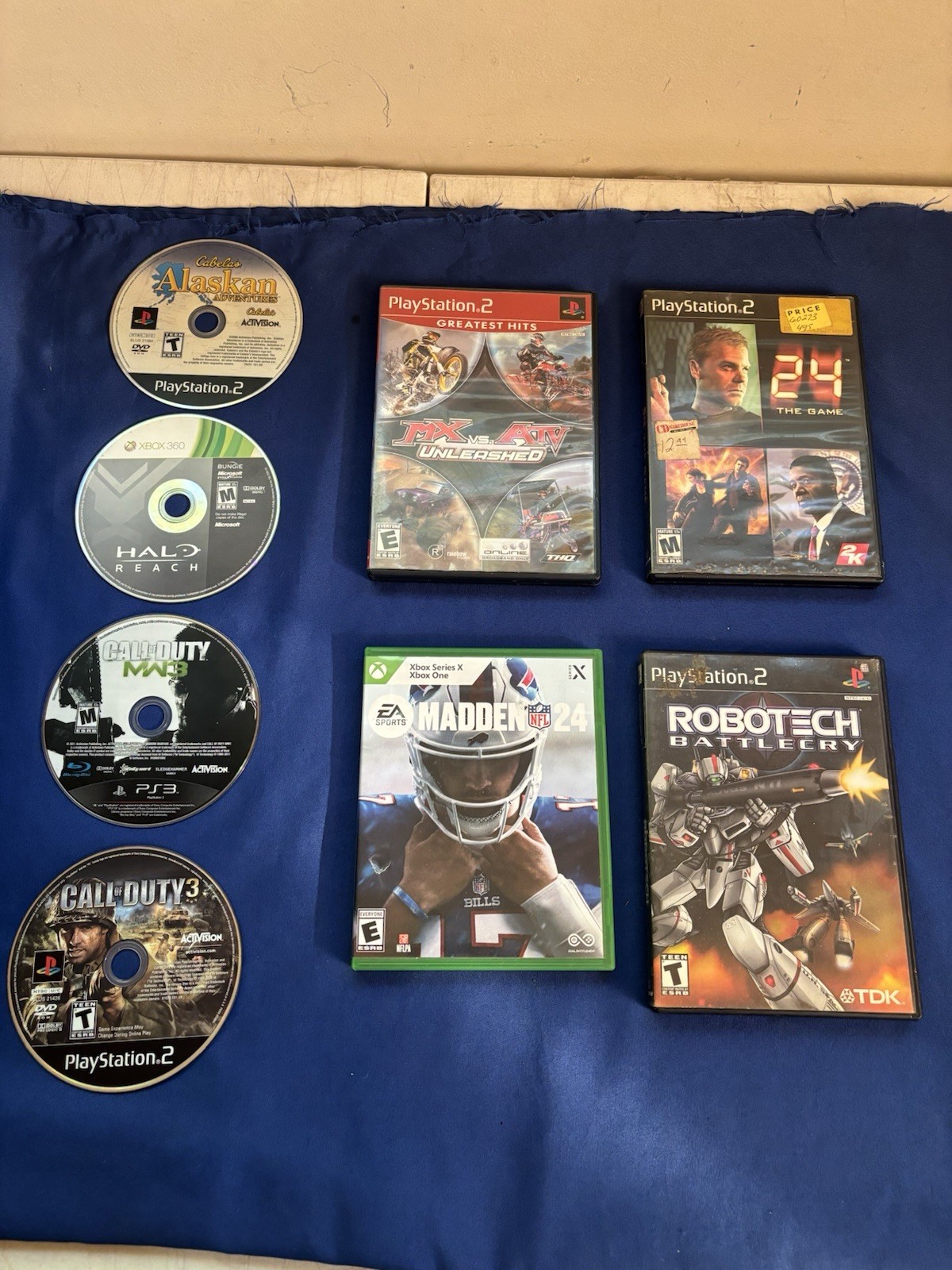


eBay links are affiliate links: JunkPal may earn a commission at no cost to you.
Resale values related to gameplay
Shop gameplay on eBay ↗![Zombies Ate My Neighbors [Box Variant]](/api/images/junkpal-products/games/zombies-ate-my-neighbors-box-variant-super-nintendo-price/img0/thumb.webp)

![Turok 2 Seeds of Evil [Not for Resale]](/api/images/junkpal-products/games/turok-2-seeds-of-evil-not-for-resale-nintendo-64-price/img0/thumb.webp)

![Donkey Kong 64 [Not for Resale Gray]](/api/images/junkpal-products/games/donkey-kong-64-not-for-resale-gray-nintendo-64-price/img0/thumb.webp)
JunkPal may earn a commission when you buy through eBay links, at no extra cost to you.
What’s worth the most
Ranked on medians of real closed eBay sales, not asking prices.