What does “game preservation” mean?
What it means
Game preservation in this context is the active process of stabilizing video game media and associated hardware against environmental and physical decay. This goes beyond simple storage; it involves mitigating factors like humidity, temperature swings, UV exposure, and physical stress. For physical media (cartridges, discs), this means preventing mold, plasticizer breakdown, and label fading. For digital assets, it means maintaining functional emulation compatibility or ensuring original ROM integrity. The mainstream equivalent is archival quality control. Preservation dictates the item's longevity as a marketable asset.
What it does to price
Preservation directly correlates with market premium. A Complete In Box (CIB) copy in near-mint condition typically fetches 1.8x to 3x the price of a loose, heavily played copy of the same title. Cosmetic flaws—deep scratches on discs, severe cartridge wear, or missing original manuals—can result in a 20-40% price reduction. Conversely, documented professional restoration (e.g., professional cleaning or resealing) can add a 10-15% premium, provided the restoration is reversible and documented. A pristine, factory-sealed cartridge might sell for $150, while the same title in a heavily scuffed, loose condition might sell for $65.
How to spot it
Visual inspection is key. For cartridges, check the plastic shell for hairline cracks, discoloration, or brittleness around the edges. Examine the contacts—they should be clean, not oxidized or sticky. For discs, look for deep gouges or surface warping under direct light. Sellers must provide high-resolution photos of the *entire* item, including all sides of the packaging and the functional ports. A common mistake is confusing light surface dust with genuine wear; dust is easily removable, while deep scuffs are permanent. Fakes often use cheap, brittle plastic that shows cracking prematurely.
Buying smart
Paying a significant premium for preservation is warranted when the item is a rare, high-demand title, or when the item is functionally critical (e.g., a specialized peripheral). If the item is common or the condition is merely "good" rather than "excellent," the premium often does not justify the cost. A fair deal recognizes the condition: a $100 listing for a cartridge described as "Near Mint" should be benchmarked against recent sales of items verified as factory-sealed or mint-in-box, not against heavily used copies.
Selling smart
Documentation is the primary value driver. Listing the item as "Mint Condition" is insufficient; the description must detail the preservation measures taken. Use specific terms: "Factory Sealed," "UV Protected Case," or "Tested and Verified Functional." The single most effective asset is a high-resolution, well-lit photo showing the item under magnification, clearly displaying the lack of wear on critical areas (e.g., cartridge labels, disc surface). This visual proof justifies the top-tier pricing bracket.
On eBay right now
Current asking prices from live listings — not sold-comp medians.


eBay links are affiliate links: JunkPal may earn a commission at no cost to you.
Resale values related to game preservation
Shop game preservation on eBay ↗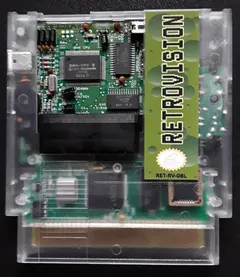
![Mega Man [First Print]](/api/images/junkpal-products/games/mega-man-first-print-nes-price/img0/thumb.webp)
![Larry and the Long Look for Luscious Lover [Homebrew]](/api/images/junkpal-products/games/larry-and-the-long-look-for-luscious-lover-homebrew-nes-price/img0/thumb.webp)


JunkPal may earn a commission when you buy through eBay links, at no extra cost to you.
What’s worth the most
Ranked on medians of real closed eBay sales, not asking prices.