What does “game collecting” mean?
What it means
Game collecting is the systematic acquisition and preservation of video game media. This niche covers physical media (cartridges, discs, boxed sets) and digital assets. The scope extends beyond simple ownership to include historical preservation and investment. The core focus for resellers is determining the asset's market value based on scarcity and demand. The term encompasses all formats, from sealed, factory-new releases to used, heavily played copies, and even peripheral hardware associated with the game.
What it does to price
Condition is the primary pricing driver. A Complete In Box (CIB) copy of a highly sought-after title typically fetches 1.5x to 3x the price of a loose cartridge or disc. Sealed, factory-new copies of rare titles can command 5x to 10x the price of an opened, used version. Factors that depress value include heavy cosmetic wear, missing manuals/inserts, and known regional variations that are less desirable. Conversely, scarcity (low print runs) and cultural impact (iconic titles) are the strongest upward multipliers. For example, a common RPG cartridge might sell for \$30 used, but a rare, sealed variant of the same game could sell for \$300+.
How to spot it
Authenticity checks focus on packaging and media integrity. For cartridges, examine the plastic molding for mold lines or incorrect color saturation. For discs, check the disc surface for signs of wear or unauthorized etching. Look for specific edition markers printed on the box or manual—these often denote limited runs or regional exclusivity. Sellers must provide high-resolution photos of the UPC/barcode area and the spine/back cover to verify printing quality. Common errors include bootleg packaging (often featuring slightly off-color printing or poor font rendering) and repackaged, non-original media.
Buying smart
Paying a premium is justified when the item is a documented, verified cornerstone of a specific gaming era or genre, and its condition is near-mint. If the item is a common title, the premium is rarely worth the risk unless the seller provides unimpeachable provenance. A fair deal involves a price that aligns with established market guides (e.g., PriceCharting data) adjusted for the specific condition grade. If a seller demands a 50% premium over comparable listed items without providing verifiable proof of rarity or superior condition, the deal is likely inflated.
Selling smart
Listing must establish the item's verifiable history. Buyers pay more for documented items because the risk of fraud is lower. Providing a clear photo of the original purchase receipt or an authenticated grading service sticker (e.g., VGA, WATA) immediately justifies a higher asking price. The single most valuable element in a listing is a photo showing the item alongside its original packaging/manuals, clearly demonstrating completeness. Using precise terminology (e.g., "Sealed, Factory Fresh," not just "New") sets accurate buyer expectations and supports the premium valuation.
On eBay right now
Current asking prices from live listings — not sold-comp medians.


eBay links are affiliate links: JunkPal may earn a commission at no cost to you.
Resale values related to game collecting
Shop game collecting on eBay ↗![Analogue Pocket [Transparent Green]](/api/images/junkpal-products/games/analogue-pocket-transparent-green-gameboy-price/img0/thumb.webp)
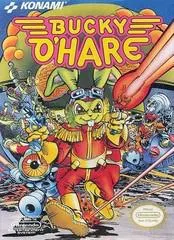


![Galaxian [Homebrew]](/api/images/junkpal-products/games/galaxian-homebrew-atari-7800-price/img0/thumb.webp)
![Scramble [Homebrew]](/api/images/junkpal-products/games/scramble-homebrew-atari-7800-price/img0/thumb.webp)
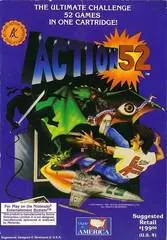
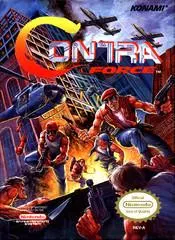
JunkPal may earn a commission when you buy through eBay links, at no extra cost to you.
What’s worth the most
Ranked on medians of real closed eBay sales, not asking prices.