What does “exclusive” mean?
What it means
"Exclusive" in video game collecting means a title or piece of merchandise is restricted in distribution. This restriction can be tied to hardware (console-exclusive), software licensing (platform-exclusive), or physical availability (retailer-exclusive, such as a specific convention or retailer-only bundle). The mainstream concept is scarcity. For resellers, exclusivity is a primary driver of market differentiation. A game exclusive to the Nintendo Switch, for instance, is inherently limited to Switch owners, creating a smaller, dedicated buyer pool compared to a multi-platform title.
What it does to price
Exclusivity directly increases perceived and actual resale value by limiting the addressable market. Console exclusives typically command a premium of 1.3x to 2.5x over their non-exclusive counterparts, assuming comparable condition. Limited-run merchandise, like a specific collector's edition controller, can see multipliers exceeding 4x if the production run was genuinely small (under 5,000 units). A standard, loose copy of a major title might sell for $30. A confirmed, sealed, platform-exclusive version of that same title could easily fetch $75 or more due to the guaranteed scarcity.
How to spot it
Verification requires checking official developer or publisher announcements regarding regional or platform licensing. For physical items, look for specific edition markers, unique SKU numbers, or packaging variations that differ from standard retail releases. Sellers must provide high-resolution photos of the box art, manual, and any unique seals. Common errors include mislabeling regional versions as "exclusive" when they are merely region-locked. Always verify if the exclusivity is permanent or temporary (e.g., a limited-time digital promotion).
Buying smart
Paying a premium for an exclusive is justifiable when the title has proven longevity or critical acclaim, suggesting sustained demand. If the game is niche or has poor reviews, the exclusivity premium is speculative risk. A fair deal for a highly sought-after exclusive should reflect the documented scarcity; if the asking price is significantly above comparable, authenticated sales data, negotiation is warranted. If the item is a minor, unproven exclusive, the premium should remain modest, perhaps 1.1x to 1.3x the base value.
Selling smart
Listing an item as "Exclusive" immediately filters the audience to high-intent buyers willing to pay more. The single most effective element in a listing is providing clear, verifiable proof of the exclusivity—a photo of the specific edition sticker, the unique UPC, or the original promotional material. Using the term "Confirmed Exclusive" or "Verified Platform Lock" in the title earns the highest premium because it removes the buyer's need to perform verification themselves.
On eBay right now
Current asking prices from live listings — not sold-comp medians.
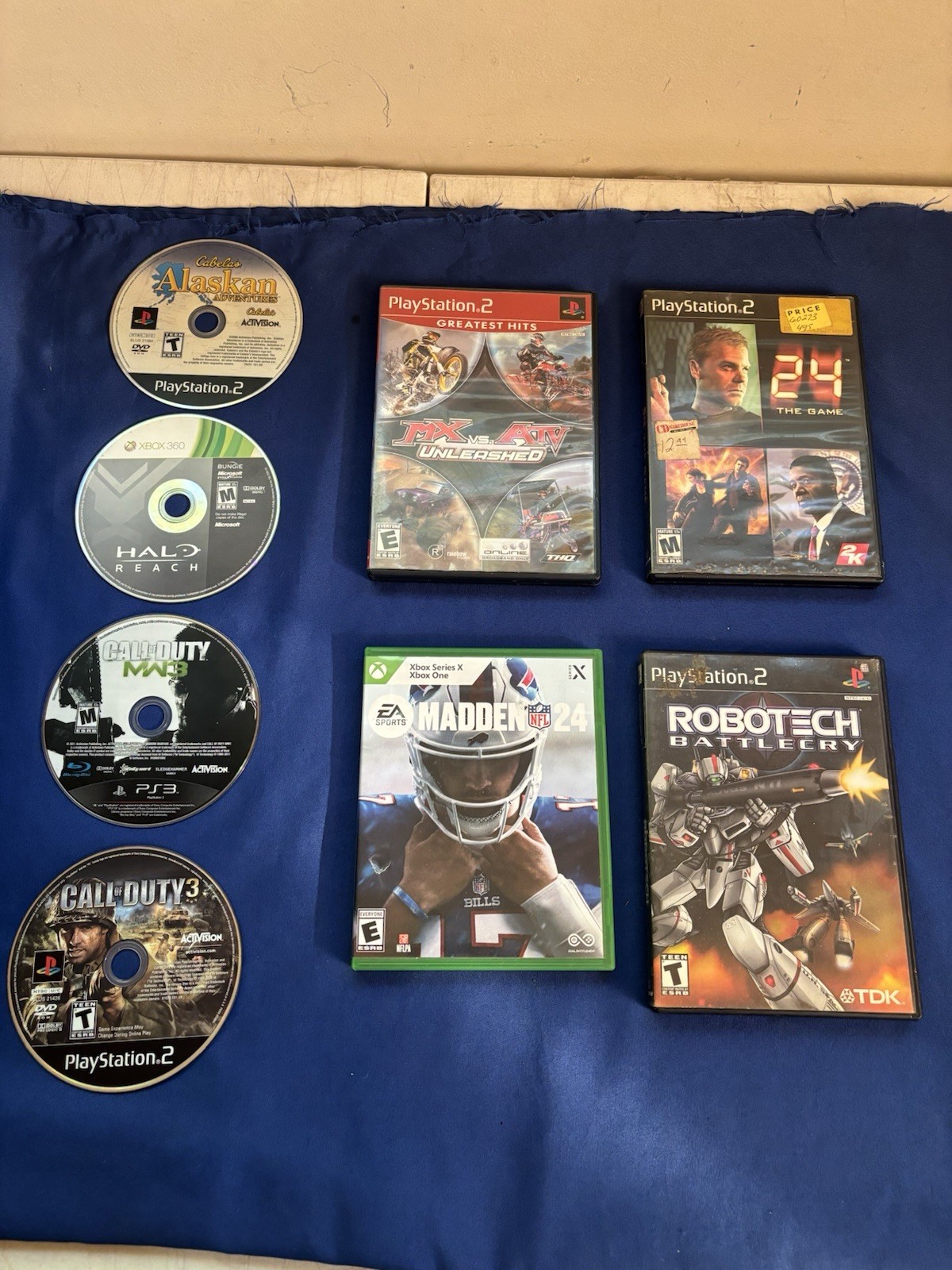


eBay links are affiliate links: JunkPal may earn a commission at no cost to you.
Resale values related to exclusive
Shop exclusive on eBay ↗![Xeno Crisis [Collector's Edition]](/api/images/junkpal-products/games/xeno-crisis-collector-s-edition-neo-geo-aes-price/img0/thumb.webp)
![Super Mario Bros 2 The Lost Levels [Homebrew]](/api/images/junkpal-products/games/super-mario-bros-2-the-lost-levels-homebrew-nes-price/img0/thumb.webp)

![Mega Man [First Print]](/api/images/junkpal-products/games/mega-man-first-print-nes-price/img0/thumb.webp)
![Larry and the Long Look for Luscious Lover [Homebrew]](/api/images/junkpal-products/games/larry-and-the-long-look-for-luscious-lover-homebrew-nes-price/img0/thumb.webp)

JunkPal may earn a commission when you buy through eBay links, at no extra cost to you.
What’s worth the most
Ranked on medians of real closed eBay sales, not asking prices.