What does “emuled” mean?
What it means
"Emulated" refers to the act of running video game software—the game files, or ROMs—on an emulator. An emulator is software designed to imitate the hardware and operating system of a specific original console (e.g., NES, SNES, PS1). In the context of collecting, this term describes a *digital experience*, not a physical item. The core collectible asset is the original physical media (cartridge, disc) or a legally purchased digital license. Trading or valuing the emulated file itself is inherently problematic because the file is a copy, not the original artifact.
What it does to price
Emulation has a direct negative impact on the resale value of physical goods. A physical, complete-in-box (CIB) copy of a game will always command a significantly higher price than the digital file or the concept of emulation. If a physical copy is available, the emulated version is worth near zero for legitimate resale. For example, a rare, sealed SNES game might sell for $200-$500. The corresponding digital file, if sold, would fetch less than $10, primarily based on the buyer's desire for convenience, not artifact value. Factors that increase the value of the *physical* item include verifiable region codes and factory seals.
How to spot it
When viewing listings, the term "emulated" is usually used by sellers of digital files, not physical hardware. If a seller mentions emulation, they are selling a file, not a product. For physical items, the tells are always about the physical state: look for box condition, sticker integrity, and disc/cartridge condition. A common mistake is listing a digital download link as a physical item. Always request high-resolution photos of the actual packaging and media itself. If the listing is for a file, verify the source claims regarding legality; unverifiable ROMs are high risk.
Buying smart
Paying a premium for an emulated experience is only worthwhile if the goal is purely gameplay convenience and the buyer has no interest in collecting physical artifacts. If the intent is investment or display, paying for an emulated version is a waste of capital. A fair deal for a digital file is contingent on the legality of the source, typically priced low ($1-$5) if the file is known to be legally sourced (e.g., from an official digital storefront). If the file source is unknown, the risk outweighs the negligible cost.
Selling smart
When selling physical media, the listing must explicitly state the condition and authenticity of the original item. To command top-tier pricing, the seller must prove the item is the original artifact. The single most effective element to earn a premium is a clear, well-lit photograph of the original manufacturer's copyright information or the sealed factory sticker. For digital goods, transparency regarding licensing is mandatory; vague claims about "legitimacy" will result in low offers or zero sales.
On eBay right now
Current asking prices from live listings — not sold-comp medians.


eBay links are affiliate links: JunkPal may earn a commission at no cost to you.
Resale values related to emuled
Shop emuled on eBay ↗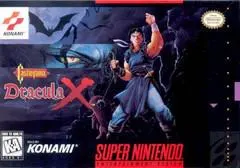
![Star Force [5 Screw]](/api/images/junkpal-products/games/star-force-5-screw-nes-price/img0/thumb.webp)
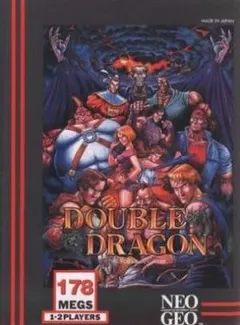
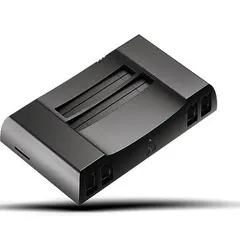
![Super Nintendo Super Set [Mario Kart Variant]](/api/images/junkpal-products/games/super-nintendo-super-set-mario-kart-variant-super-nintendo-price/img0/thumb.webp)
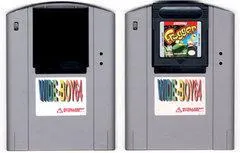
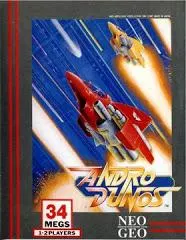
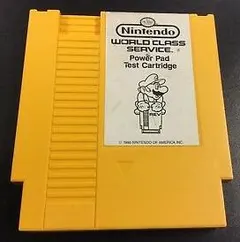
JunkPal may earn a commission when you buy through eBay links, at no extra cost to you.
What’s worth the most
Ranked on medians of real closed eBay sales, not asking prices.