What does “emulator” mean?
What it means
An emulator is software that mimics the hardware and operating system of a specific vintage gaming console, such as the SNES or Sega Genesis. In the collecting niche, emulators are not physical items for sale; they are digital tools. Their relevance lies in their relationship to physical media. Emulation provides a functional, often free, digital replacement for owning the original cartridge or disc. Collectors value physical media precisely because it offers the original, intended hardware experience, which emulators cannot replicate perfectly. Understanding emulation helps gauge the market demand for physical items; high digital availability can suppress the perceived scarcity and, consequently, the value of a physical copy.
What it does to price
The existence of functional emulation generally acts as a ceiling on the *maximum* price a game can command, particularly for older, less desirable titles. For highly sought-after, definitive titles, emulation does not depress value; rather, it confirms the game’s cultural importance, supporting higher premiums for CIB (Complete In Box) or mint-condition loose copies. If a game is easily available via a modern digital storefront (a direct result of emulation technology), a loose copy might see a 15-30% price reduction compared to a title with no known digital counterpart. Conversely, a rare, niche title that is *only* playable via emulation might see its physical value slightly increase due to the confirmation of its existence.
How to spot it
Emulators themselves are software and cannot be physically spotted. However, spotting the *impact* of emulation requires knowledge of regional releases. Some games have region-locked versions that function differently or are entirely unavailable on certain emulators without specific patches. When examining physical media, look for region codes (e.g., NTSC-U/C, PAL, NTSC-J) stamped on the disc or cartridge label. A common mistake is assuming a cartridge is universal; region-specific hardware requirements are a direct counterpoint to the universal nature of software emulation.
Buying smart
Paying a significant premium for a physical copy is justified when the game is a cultural landmark, has known hardware quirks that emulators fail to replicate (e.g., specific controller latency or sound chip behavior), or when the physical packaging itself is rare (e.g., limited edition art cards). It is not worth the premium for a common, easily replicated title. A fair deal involves a price that reflects the condition and completeness (CIB vs. loose) relative to the game's known scarcity, not simply its digital availability.
Selling smart
Listing must clearly state the condition and region code. If selling a highly desirable, rare title, explicitly mentioning that the item is a physical artifact representing the "authentic hardware experience" directly counters the digital convenience of emulation. The single most effective element in a listing is a clear, high-resolution photo of the region code stamp or the original box art, proving authenticity and condition, which justifies the premium over a generic listing.
On eBay right now
Current asking prices from live listings — not sold-comp medians.


eBay links are affiliate links: JunkPal may earn a commission at no cost to you.
Resale values related to emulator
Shop emulator on eBay ↗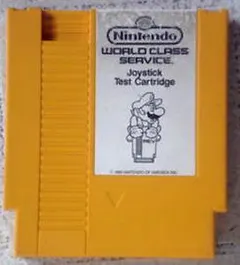
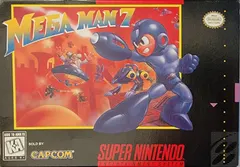
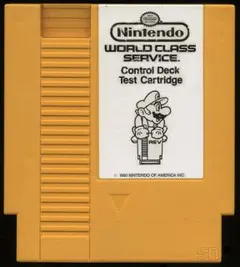
![Gladmort [Kickstarter Edition]](/api/images/junkpal-products/games/gladmort-kickstarter-edition-neo-geo-aes-price/img0/thumb.webp)


![Mortal Kombat II [Not for Resale]](/api/images/junkpal-products/games/mortal-kombat-ii-not-for-resale-super-nintendo-price/img0/thumb.webp)
JunkPal may earn a commission when you buy through eBay links, at no extra cost to you.
What’s worth the most
Ranked on medians of real closed eBay sales, not asking prices.