What does “emulation accuracy” mean?
What it means
Emulation accuracy is the fidelity with which a software program—an emulator—replicates the function of original gaming console hardware and its operating system. It is not about the game running; it is about it running *exactly* as it did on the original hardware. This encompasses precise timing, input lag replication, graphical artifacts (like specific screen tearing or sprite flicker), and audio output matching the source. For collectors dealing with digital assets or hardware setups utilizing emulation, this is the measure of authenticity. Low accuracy means the emulation is a simulation; high accuracy means it is a functional replica.
What it does to price
Emulation accuracy does not directly affect the price of physical media (cartridges, discs) unless the media is being sold *with* a guaranteed, high-accuracy emulation setup. For digital goods or emulation software licenses, high accuracy commands a premium. A perfectly accurate, well-documented emulator package can fetch 2x to 5x the price of a basic, low-accuracy version. If a seller claims "perfect accuracy" but the emulator is known to drop frames on specific titles, the perceived value drops by 30-50%. A common example: a verified, high-accuracy build of a niche console emulator might sell for $75, while a generic, unverified build of the same software might sell for $25.
How to spot it
Accuracy is rarely visible on a simple product photo. It is determined by technical verification. Sellers should provide documentation linking to emulator testing databases (e.g., MAME/MESS accuracy reports). Look for specific technical claims: does it support cycle-accurate timing? Does it handle specific hardware quirks, like unique memory mapping errors? A common pitfall is marketing "compatibility" as "accuracy." Compatibility means the game *runs*; accuracy means it runs *perfectly*.
Buying smart
Paying a premium for high emulation accuracy is worthwhile when the intended use is archival, competitive play, or preservation. If the goal is casual nostalgia, a low-accuracy emulator is sufficient and cheaper. The premium is justified when the buyer requires the experience to match the physical hardware experience exactly—e.g., for competitive speedrunning or deep technical analysis. A fair deal involves a seller providing verifiable proof of accuracy, not just a marketing statement.
Selling smart
Listing accuracy claims requires backing. Do not simply state "high accuracy." The premium is earned by providing a link or a screenshot from a recognized accuracy testing suite that validates the emulator's performance on a known difficult title. The single word that earns the premium is "Verified" or "Cycle-Accurate," provided that claim can be substantiated with external data. Without this proof, the listing defaults to the standard, lower-tier price point.
On eBay right now
Current asking prices from live listings — not sold-comp medians.


eBay links are affiliate links: JunkPal may earn a commission at no cost to you.
Resale values related to emulation accuracy
Shop emulation accuracy on eBay ↗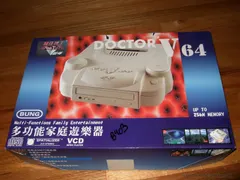
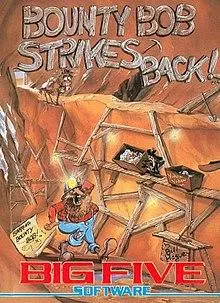
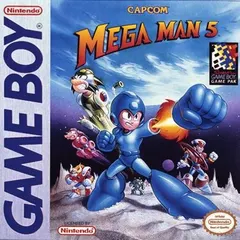
![Super Mario World [First Print]](/api/images/junkpal-products/games/super-mario-world-first-print-super-nintendo-price/img0/thumb.webp)
![Virtua Fighter [Special Training Pack]](/api/images/junkpal-products/games/virtua-fighter-special-training-pack-sega-32x-price/img0/thumb.webp)
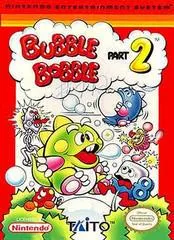

JunkPal may earn a commission when you buy through eBay links, at no extra cost to you.
What’s worth the most
Ranked on medians of real closed eBay sales, not asking prices.