What does “emu” mean?
What it means
An emulator is software that simulates the hardware and operating system of a vintage video game console. For collectors, the term rarely refers to the software itself, as emulators are digital tools. Instead, it relates to the *phenomenon* of emulation. This means that the cultural relevance and continued playability of a title—even if it's running on an emulator—drive market demand. The existence of a strong emulation community validates the enduring appeal of a specific game or system. It signals that the game has achieved a level of cultural permanence, which can indirectly inflate the value of its original physical media (cartridges, discs).
What it does to price
Emulation generally does not directly affect the price of physical media unless the game is exceptionally rare or highly sought after by the emulation community. High demand, fueled by emulation accessibility, pushes the price of the *original* cartridge or disc upward. For a highly desirable, hard-to-find title (e.g., a specific Japanese release), the price of the original physical copy might be 2x to 5x the price of a common title, simply because the community knows the game is worth playing, regardless of the emulator. Conversely, if a game is easily emulated and has numerous digital copies, the physical version might see price stagnation or slight declines unless it is in MINT condition.
How to spot it
Since the emulator is software, there are no physical tells on the media itself. However, when evaluating a game's market value based on its emulation potential, the tells relate to the *game's history*. Look for region codes (NTSC-U, PAL, JP) that indicate different regional releases, as these can have vastly different values. If a seller claims a game is "perfect for emulation," this is vague jargon; the collector needs to know the specific hardware it came from. Common mistakes involve sellers listing a common title as "rare" because it is easily emulated, which is a misrepresentation of scarcity.
Buying smart
Paying a premium for a physical copy is justified when the game is a definitive, high-quality original release, or when the physical condition is pristine (CIB/complete in box). If the game is easily obtainable in a decent condition, paying significantly more than the average market rate is usually unnecessary, as emulation provides a functional, low-cost alternative. A fair deal is one where the price reflects the scarcity of the *physical object*, not just the popularity of the *software*. If a game is widely known to be perfectly preserved in emulation, the physical premium should be modest unless the physical item is graded Mint.
Selling smart
To maximize sales price, the listing must convey the physical integrity of the item, not its digital accessibility. Listing the game as "CIB" (Complete In Box) or "Sealed" is the most effective way to command a premium, as these conditions are what the collector pays for. A photo showing the original box art, manual, and cartridge together proves the item's completeness, which is the tangible value. The word "Original" in the title, paired with a high-resolution photo of the label, establishes the item's authenticity against digital copies.
On eBay right now
Current asking prices from live listings — not sold-comp medians.


eBay links are affiliate links: JunkPal may earn a commission at no cost to you.
Resale values related to emu
Shop emu on eBay ↗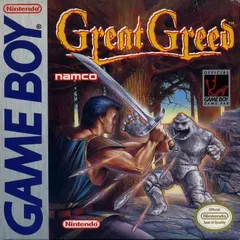


![Mega Man X [Blue Iam8bit 30th Anniversary Edition]](/api/images/junkpal-products/games/mega-man-x-blue-iam8bit-30th-anniversary-edition-super-nintendo-price/img0/thumb.webp)
![Analogue Super Nt [Super Famicom]](/api/images/junkpal-products/games/analogue-super-nt-super-famicom-super-nintendo-price/img0/thumb.webp)
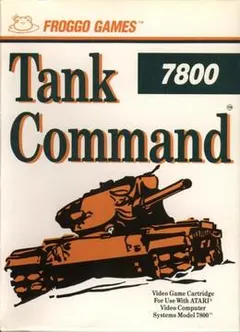
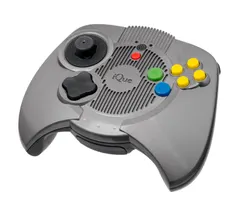
![Nes Action Set [Blue Box]](/api/images/junkpal-products/games/nes-action-set-blue-box-nes-price/img0/thumb.webp)
JunkPal may earn a commission when you buy through eBay links, at no extra cost to you.
What’s worth the most
Ranked on medians of real closed eBay sales, not asking prices.