What does “ega” mean?
What it means
"EGA" in the video game collecting context is not a standardized industry term like "NES" or "Atari." The initial reference to the Electronic Gaming Association is largely irrelevant to current market valuation. More often, "EGA" appears as a typographical error, a misremembered brand name, or a highly obscure internal designation from very early, pre-standardized hardware runs. If it refers to a specific piece of hardware or software, it is likely a niche artifact from the late 1970s or early 1980s, predating modern industry consolidation. It functions as a placeholder for "unknown early era hardware" rather than a recognized condition or manufacturer designation.
What it does to price
The presence of "EGA" itself has no inherent pricing power. Its value is entirely derivative of the actual product it describes. If the item is a genuinely rare, early prototype or a piece of unreleased hardware associated with that acronym, value can be exponential—potentially 10x to 50x loose market value for a known, documented piece. Conversely, if it is a generic, mislabeled, or common piece of peripheral hardware, it adds zero value. For example, a common, mass-produced early joystick labeled "EGA" might sell for $15-$30 loose, while a documented, functional prototype board labeled "EGA" could easily exceed $1,500.
How to spot it
The primary tell is the lack of standardization. Look closely at the casing, labeling, and circuit board markings. If the item is authentic, it will likely feature very rudimentary, hand-applied stickers or minimal, blocky printing typical of early electronics. Common mistakes include sellers mistyping "EGA" when they mean "E.G.A." (a historical computer interface standard, which is different) or misreading obscure model numbers. Always request high-resolution photos of the back panel, serial numbers, and any visible manufacturer stamps. If the item looks too polished or modern, it is likely a reproduction or mislabeling.
Buying smart
Paying a premium based solely on the term "EGA" is a high-risk gamble. Only pay a significant premium (over 3x loose price) if the seller can provide verifiable documentation—archival photos, technical manuals, or reputable third-party authentication—linking the item to a known, historically significant, and rare early release. If the item is presented as a generic piece of "vintage hardware," treat it as a low-value curiosity unless the price is extremely low, allowing for potential discovery. A fair deal involves a price reflecting the *provenance* of the item, not just the acronym.
Selling smart
Listing the item as "EGA" without context guarantees low returns. The listing must immediately pivot to the specific product name and era. The single most valuable element to include is a clear, well-lit photograph of the item’s primary identifying mark—the model number, patent number, or specific hardware revision stamp. If the item is rare, state clearly: "Documented early prototype hardware, designation EGA." This shifts the listing from a generic curiosity to a specific collectible artifact, justifying a higher price bracket.
On eBay right now
Current asking prices from live listings — not sold-comp medians.


eBay links are affiliate links: JunkPal may earn a commission at no cost to you.
Resale values related to ega
Shop ega on eBay ↗![Mega Man X [Blue Iam8bit 30th Anniversary Edition]](/api/images/junkpal-products/games/mega-man-x-blue-iam8bit-30th-anniversary-edition-super-nintendo-price/img0/thumb.webp)
![Analogue Super Nt [Super Famicom]](/api/images/junkpal-products/games/analogue-super-nt-super-famicom-super-nintendo-price/img0/thumb.webp)
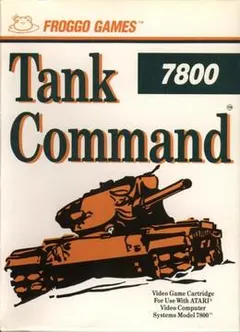
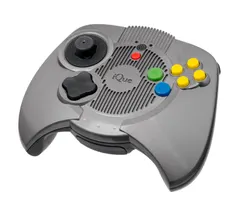
![Nes Action Set [Blue Box]](/api/images/junkpal-products/games/nes-action-set-blue-box-nes-price/img0/thumb.webp)

![Tecmo NBA Basketball [N7]](/api/images/junkpal-products/games/tecmo-nba-basketball-n7-nes-price/img0/thumb.webp)
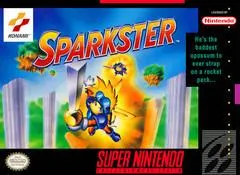
JunkPal may earn a commission when you buy through eBay links, at no extra cost to you.
What’s worth the most
Ranked on medians of real closed eBay sales, not asking prices.