What does “display copy” mean?
What it means
A display copy is a video game unit intentionally used for promotional activities. This includes placement in retail store windows, trade show booths, or marketing materials. It is not a standard retail copy intended for end-user purchase. The core difference lies in its intended function: demonstration versus sale. While some display copies retain pristine condition, many have handling marks or specific, non-standard packaging elements indicating their promotional origin. This designation is critical for valuation as it signals non-consumer use.
What it does to price
The impact on price is variable. Generally, a display copy depreciates relative to a sealed, never-opened retail copy, but it can command a premium over a heavily used, non-display copy. If the display copy is rare or associated with a highly sought-after promotion (e.g., a limited-run convention exclusive), the premium can be significant. Conversely, if it is a common title used ubiquitously in stores, the handling discount can be substantial. For example, a common, well-kept display copy might sell for 60-80% of a mint-condition sealed version. A rare, high-profile display piece could fetch 1.2x to 1.8x the price of a standard used copy.
How to spot it
Identifying a display copy requires looking beyond general wear. Look for specific edition markers, stickers, or internal promotional inserts that are not standard retail packaging. Some units may have manufacturer-applied "Demo" or "Promotional Use Only" stamps, often faded. Sellers must provide high-resolution photos of the box corners, spine, and any visible UPC or regulatory stickers. A common mistake is confusing a "demo version" (software limited by time) with a "display unit" (physical item used for show). Fakes are rare but usually involve misrepresenting a standard retail copy as a rare display model.
Buying smart
Paying a premium for a display copy is justified only when the item is rare, historically significant, or comes from a documented, high-tier promotion. If the game is common, the risk of hidden damage or excessive wear outweighs the potential gain. A fair deal involves a price point that reflects the known handling history. If the seller cannot provide clear photographic evidence of the display status or its origin, the price should be discounted to match a standard used unit.
Selling smart
Proving the display status directly impacts buyer perception and price ceiling. Listing the item as "Promotional Display Copy" immediately targets a specific, often higher-paying segment of the collector market. The single most effective piece of evidence is a clear, well-lit photograph showing any unique, non-retail markings on the packaging or case itself. This documentation shifts the item from a general used good to a specific collectible artifact, allowing for the application of the appropriate premium.
On eBay right now
Current asking prices from live listings — not sold-comp medians.


eBay links are affiliate links: JunkPal may earn a commission at no cost to you.
Resale values related to display copy
Shop display copy on eBay ↗![Zombies Ate My Neighbors [Box Variant]](/api/images/junkpal-products/games/zombies-ate-my-neighbors-box-variant-super-nintendo-price/img0/thumb.webp)
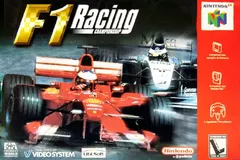

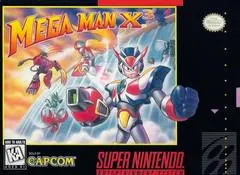
![Turok 2 Seeds of Evil [Not for Resale]](/api/images/junkpal-products/games/turok-2-seeds-of-evil-not-for-resale-nintendo-64-price/img0/thumb.webp)
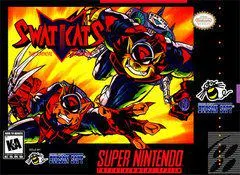

![Donkey Kong 64 [Not for Resale Gray]](/api/images/junkpal-products/games/donkey-kong-64-not-for-resale-gray-nintendo-64-price/img0/thumb.webp)
JunkPal may earn a commission when you buy through eBay links, at no extra cost to you.
What’s worth the most
Ranked on medians of real closed eBay sales, not asking prices.