What does “disc scratch” mean?
What it means
A disc scratch is any physical abrasion, groove damage, or surface imperfection on a game or software disc. This includes light surface scuffs, hairline scratches, and deep gouges that compromise data integrity. In this niche, the term relates directly to playback functionality. A "scratch" is not just cosmetic; it is a functional defect. The severity dictates the impact: light scuffs are cosmetic; deep gouges are functional defects that cause skipping or read errors.
What it does to price
Scratch severity dictates value reduction. A Near Mint (NM) disc with no visible scratches commands top-tier pricing. A disc with minor, superficial scuffs (light surface marks that do not affect playback) typically sees a 10-20% reduction from NM pricing. Moderate scratches (visible lines that may cause occasional skipping) can reduce value by 30-50%. Heavily scratched or damaged discs that fail to play are often relegated to parts or "for parts" status, sometimes fetching only 10-25% of the loose, pristine value. For example, a sealed, pristine copy might sell for $80; a heavily scratched loose copy might sell for $30.
How to spot it
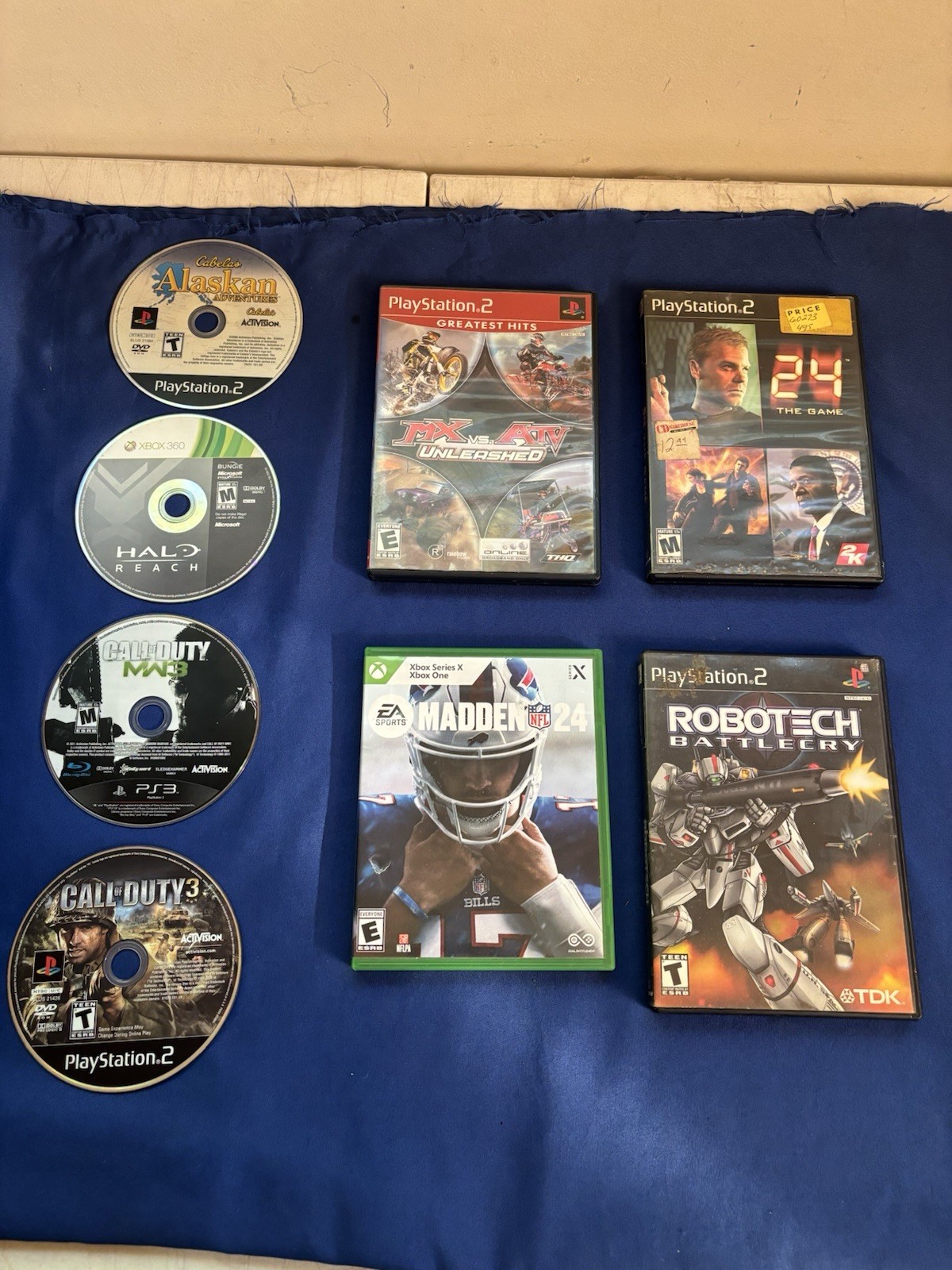
Inspection requires good, direct lighting. Scratches are visible as lines running parallel or perpendicular to the data tracks. Hairline scuffs are subtle and often only visible when the disc is held at an angle. Deep gouges are obvious, often catching light sharply. Sellers should provide high-resolution photos of the disc surface, specifically angled to catch light across the center and edges. A common mistake is mistaking dust or smudges for scratches; dust is removable, while scratches are permanent grooves.
Buying smart
Paying a premium for a disc with visible scratches is only justifiable if the damage is extremely minor (cosmetic only) and the disc is otherwise pristine, or if the disc is exceptionally rare and functional playability is secondary to ownership. If the scratches are deep or numerous, the discount should be substantial. A fair deal involves a price that reflects the *guaranteed* playback quality. If the seller cannot confirm 100% flawless playback, the purchase price must be significantly lower than a guaranteed pristine copy.
Selling smart
Transparency regarding disc condition maximizes buyer trust and minimizes returns. Listing the disc as "Light Scuffs, Plays Well" is superior to listing it as "Good" with no specific notes. The single most effective element in a listing is a close-up photograph of the disc surface, clearly showing the scratches under bright light. Disclosing minor flaws upfront allows the seller to price accurately, preventing disputes over condition versus expectation.
On eBay right now
Current asking prices from live listings — not sold-comp medians.


eBay links are affiliate links: JunkPal may earn a commission at no cost to you.
Resale values related to disc scratch
Shop disc scratch on eBay ↗![Analogue Pocket [Kiwi]](/api/images/junkpal-products/games/analogue-pocket-kiwi-gameboy-price/img0/thumb.webp)
![Analogue Pocket [Transparent Orange]](/api/images/junkpal-products/games/analogue-pocket-transparent-orange-gameboy-price/img0/thumb.webp)
![Analogue Pocket [Berry]](/api/images/junkpal-products/games/analogue-pocket-berry-gameboy-price/img0/thumb.webp)

![Analogue Pocket [Transparent Clear]](/api/images/junkpal-products/games/analogue-pocket-transparent-clear-gameboy-price/img0/thumb.webp)

![Analogue Pocket [Red]](/api/images/junkpal-products/games/analogue-pocket-red-gameboy-price/img0/thumb.webp)
JunkPal may earn a commission when you buy through eBay links, at no extra cost to you.
What’s worth the most
Ranked on medians of real closed eBay sales, not asking prices.