What does “dead on arrival” mean?
What it means
"Dead on arrival" (DOA) in video games means the physical unit—console, cartridge, disc, or peripheral—is received by the buyer in a non-operational state directly from the source. This is not simply "used" or "needs cleaning"; it implies a fundamental failure upon initial inspection or power-up. For collectors, this is a functional defect, equivalent to receiving a broken item from a retailer. The item is not merely cosmetically imperfect; its core functionality is compromised. This condition usually necessitates professional repair, component replacement, or complete unit replacement, moving it from a collectible item to a repair project.
What it does to price
DOA status imposes a severe downward pressure on market value. A fully functional, sealed copy of a sought-after title might command $150. A verified DOA copy of the same item typically drops to 20-40% of that value, landing in the $30-$60 range, depending on repair difficulty. The multiplier is a discount factor, not a premium. Factors that slightly mitigate the drop include clear documentation of the fault (e.g., "power light flickers," which is more specific than "does not turn on") or if the fault is known to be easily fixed (e.g., a loose connection). A simple, non-specific "DOA" listing usually attracts the lowest price point.
How to spot it
The initial tell is the lack of function during initial inspection. If the item is a console, it fails to power on or powers on but fails to boot. If it is a cartridge or disc, it fails to register or load. Sellers must provide video evidence demonstrating the item failing to operate under power. Common honest mistakes include shipping damage causing internal connection breaks, or units that were tested briefly and failed before the seller packaged them. Fakes rarely exhibit DOA issues; they are usually non-functional due to poor manufacturing, not transit damage. Always request a short video showing the item being powered on and the resulting error state.
Buying smart
Paying a premium for a DOA unit is only justifiable in specific scenarios. This includes when the unit is extremely rare, and the repair cost is known to be minimal (e.g., a simple battery replacement on an older handheld). If the repair requires complex board-level soldering or sourcing rare components, the risk outweighs the potential gain. A fair deal for a DOA item is one where the asking price is at least 50% below the established market value for a working equivalent, accounting for the estimated time and parts cost for repair.
Selling smart
Listing an item as DOA requires absolute transparency. Hiding the defect is fraud. The one element that earns a premium, paradoxically, is detailed documentation. Instead of just stating "DOA," the listing must specify *why* it is DOA (e.g., "DOA: Power unit fails to engage," or "DOA: Disc drive reads only 10%"). This specificity allows serious buyers who are already repair technicians or have the necessary tools to bid higher than a general "broken" listing. Clear, high-resolution photos of the fault point are mandatory.
On eBay right now
Current asking prices from live listings — not sold-comp medians.


eBay links are affiliate links: JunkPal may earn a commission at no cost to you.
Resale values related to dead on arrival
Shop dead on arrival on eBay ↗![Nes Action Set [Blue Box]](/api/images/junkpal-products/games/nes-action-set-blue-box-nes-price/img0/thumb.webp)

![Tecmo NBA Basketball [N7]](/api/images/junkpal-products/games/tecmo-nba-basketball-n7-nes-price/img0/thumb.webp)
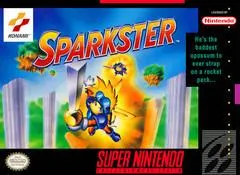
![Game Boy Pocket [Extreme Green]](/api/images/junkpal-products/games/game-boy-pocket-extreme-green-gameboy-price/img0/thumb.webp)


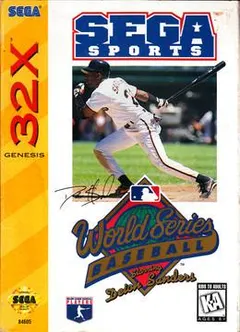
JunkPal may earn a commission when you buy through eBay links, at no extra cost to you.
What’s worth the most
Ranked on medians of real closed eBay sales, not asking prices.