What does “cracking” mean?
What it means
Cracking refers to the circumvention of digital rights management (DRM) or copy protection systems in video games. This process allows unauthorized copies of software to run without the original license or physical media validation. In the collecting context, "cracked" means the game is not a legitimate, retail copy. This is not simply a regional variation or a minor software patch; it indicates the core integrity of the product has been compromised by unauthorized modification. For collectors and resellers dealing in legitimate assets, a cracked version is fundamentally worthless as a collectible item because it lacks verifiable provenance.
What it does to price
The presence of cracking reduces value to near zero in the legitimate resale market. A sealed, genuine copy of a sought-after title might fetch $50–$150 depending on demand. A cracked disc or software key, even if functional, will sell for $0–$5, primarily to individuals seeking the game for free, not for collection. The presence of cracking acts as a hard floor on value. Conversely, an item that is *not* cracked, but is an older, rare, loose copy, can see value multipliers of 3x to 10x compared to a modern, mass-market release, provided the condition is high.
How to spot it
Spotting cracking often requires technical knowledge, but physical tells exist. For physical media, look for non-standard packaging, missing security seals, or unusual disc labels that do not match official publisher artwork. Digital keys or software installations should be verified against official retailer databases. A common mistake is confusing a legitimate "region-free" version with a cracked one; region-free means it works globally, not that it bypasses licensing. Sellers should provide high-resolution photos of the disc surface and the back of the case/box, specifically looking for any visible tampering or unauthorized stickers.
Buying smart
Paying a premium for a cracked game is never justifiable for investment or collection purposes. If a game is available legally, the premium for a cracked version is pure risk. The only scenario where a cracked item might be considered is if it is a highly obscure, unreleased prototype or demo that is being sold purely as a piece of digital history, and even then, the market is niche and speculative. For standard retail titles, only purchase items with verifiable, legitimate licensing. A fair deal for a genuine copy reflects the market value of the licensed product, not the perceived value of the content itself.
Selling smart
To command any legitimate price, the item must be proven authentic. The single most effective element in a listing is photographic proof of the original retail packaging, including any visible copyright dates or distributor stamps. Listing the item as "Sealed," "CIB (Complete In Box)," or "Retail Copy" and providing clear photos of the UPC/barcode area immediately signals legitimacy. Avoid using vague descriptions. Explicitly stating "Genuine Retail Copy" mitigates buyer risk and justifies the premium over loose, unverified media.
On eBay right now
Current asking prices from live listings — not sold-comp medians.


eBay links are affiliate links: JunkPal may earn a commission at no cost to you.
Resale values related to cracking
Shop cracking on eBay ↗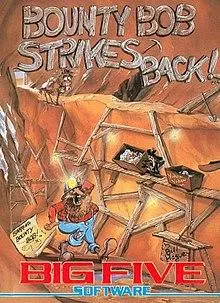
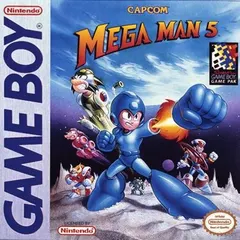
![Super Mario World [First Print]](/api/images/junkpal-products/games/super-mario-world-first-print-super-nintendo-price/img0/thumb.webp)
![Virtua Fighter [Special Training Pack]](/api/images/junkpal-products/games/virtua-fighter-special-training-pack-sega-32x-price/img0/thumb.webp)
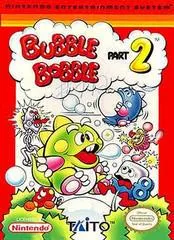

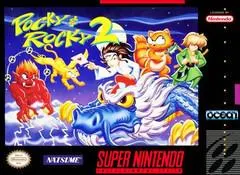
JunkPal may earn a commission when you buy through eBay links, at no extra cost to you.
What’s worth the most
Ranked on medians of real closed eBay sales, not asking prices.