What does “controller condition” mean?
What it means
Controller condition is the assessment of a video game input device's physical integrity and operational functionality. This encompasses cosmetic wear (scratches, fading, button wear) and mechanical performance (responsiveness, stick drift, button sticking). For collectors, this is not merely about aesthetics; it dictates playability. A controller must function as intended—all buttons and analog sticks must register inputs accurately and consistently. Stick drift, where the character moves without player input, is a critical functional defect. The mainstream equivalent is simply "working order," but in collecting, the *degree* of working order is the variable.
What it does to price
Condition directly dictates the valuation tier. A "Mint" or "Near Mint" controller, with zero visible wear and perfect functionality, commands the highest premium. A "Good" or "Fair" condition controller, showing significant scuffs or minor drift, will see a substantial depreciation. For a highly sought-after retro title, a CIB (Complete In Box) package with a flawless controller can fetch 1.8x to 3x the price of the same item with a heavily worn or non-functional controller. Conversely, a controller with confirmed, severe drift might sell for 40-60% less than a comparable unit. A controller with a cracked casing, even if functional, can easily drop the sale price by $30-$50 depending on the item's base value.
How to spot it
Inspection requires close examination. Check the plastic housing for stress fractures, discoloration, or deep gouges. Test every single button press—d-pad clicks, face buttons, shoulder triggers—to ensure tactile feedback is consistent. For analog sticks, test movement in all eight directions, looking for any unintended input when the stick is centered (drift). Sellers must provide high-resolution photos of the controller's edges and the underside. Common pitfalls include confusing genuine wear with cheap aftermarket replacements, or assuming a controller is "tested" when only the power light was checked.
Buying smart
Paying a significant premium for perfect condition is warranted when the item is rare, highly sought after, or part of a premium collection set where aesthetic perfection is the primary driver of value (e.g., sealed collector editions). If the item is common or the price difference between "Good" and "Mint" is marginal, accepting minor cosmetic wear is often a better financial decision. A fair deal involves a price that reflects the *documented* condition. If a seller claims "Mint" but provides photos showing significant button shine, the price is inflated.
Selling smart
Documentation is the primary driver of realized value. Listing the condition accurately prevents disputes and attracts serious buyers willing to pay a premium for flawless items. The single most effective element in a listing is a short, clear statement like: "Controller: Mint, zero drift, all inputs tested." If cosmetic flaws exist, photograph them clearly. A detailed, honest description of wear allows the seller to target buyers who specifically seek "game-worn" pieces, effectively segmenting the market and maximizing the return for the specific condition offered.
On eBay right now
Current asking prices from live listings — not sold-comp medians.


eBay links are affiliate links: JunkPal may earn a commission at no cost to you.
Resale values related to controller condition
Shop controller condition on eBay ↗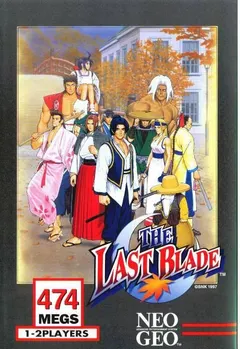


![Star Force [5 Screw]](/api/images/junkpal-products/games/star-force-5-screw-nes-price/img0/thumb.webp)
JunkPal may earn a commission when you buy through eBay links, at no extra cost to you.
What’s worth the most
Ranked on medians of real closed eBay sales, not asking prices.