What does “color depth” mean?
What it means
Color depth is the number of distinct colors a video display or game system can render at any given moment. Mainstream equivalent: Bit depth. It is not simply about having "more colors," but rather the precision with which those colors are displayed. A system with 8-bit color depth can display 256 colors simultaneously. A system with 16-bit depth can display 65,536 colors. Higher color depth allows for smoother gradients, more accurate shading, and a less "dithering" or banded appearance in visuals. For collectors, this speaks directly to the fidelity of the original hardware's graphical output.
What it does to price
Color depth itself is rarely a standalone pricing factor unless it denotes a specific, high-end hardware revision. However, when high color depth is tied to a specific, limited-run hardware variant (e.g., a specialized cartridge or console revision), it can act as a significant premium driver. A console variant known for superior color processing might command a 1.2x to 2x premium over a standard model of the same age and condition. If a game is known to leverage a high color palette unique to a specific release (e.g., a superior color palette swap), a CIB copy might fetch 1.5x to 2.5x more than a standard version, provided the difference is verifiable.
How to spot it
Color depth is rarely marked on the box art. Identification relies on hardware documentation or in-game testing. For consoles, look for technical manuals or official hardware specs printed in the documentation. For games, the tell is visual inspection. If a seller provides high-resolution screenshots or video footage of the game running on the original hardware, examine gradients (like skies or shadows). Banding (visible steps between shades) indicates lower color depth. A smooth transition suggests higher depth. Be wary of emulation claims; high color depth in emulation is often software-side enhancement, not hardware capability.
Buying smart
Paying a premium for color depth is only justifiable when the difference is demonstrably significant and verifiable by third-party sources or manufacturer specs. If the difference is marginal (e.g., 16-bit vs. 256 colors in a system where the visual difference is negligible to the average collector), the premium is inflated. A fair deal involves the price reflecting the *rarity* of the high-depth hardware, not just the technical spec. If the high-depth feature is an obscure, unverified rumor, the discount should be substantial.
Selling smart
Documenting color depth capability adds technical credibility to a listing, attracting knowledgeable buyers willing to pay more for accuracy. Instead of just listing "NES," list "NES Revision B with enhanced color palette support." The single most effective addition is a photograph of the hardware's serial number or a specific technical sticker that denotes the revision level associated with the higher color depth. This shifts the item from a general vintage piece to a specific, technically superior artifact.
On eBay right now
Current asking prices from live listings — not sold-comp medians.


eBay links are affiliate links: JunkPal may earn a commission at no cost to you.
Resale values related to color depth
Shop color depth on eBay ↗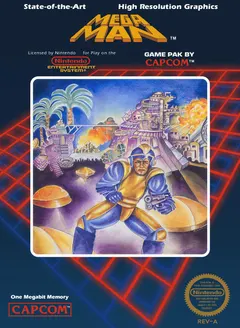

![Analogue Pocket [Transparent Smoke]](/api/images/junkpal-products/games/analogue-pocket-transparent-smoke-gameboy-price/img0/thumb.webp)
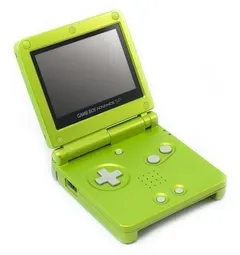

![Analogue Pocket [Grape]](/api/images/junkpal-products/games/analogue-pocket-grape-gameboy-price/img0/thumb.webp)

![Mike Tyson's Punch-Out [5 Screw]](/api/images/junkpal-products/games/mike-tyson-s-punch-out-5-screw-nes-price/img0/thumb.webp)
JunkPal may earn a commission when you buy through eBay links, at no extra cost to you.
What’s worth the most
Ranked on medians of real closed eBay sales, not asking prices.