What does “case” mean?
What it means
A "case" in video game collecting refers to the complete original packaging for a game. This encompasses everything from a standard retail cardboard box to specialized collector’s editions featuring slipcases, outer sleeves, or display boxes. It is the physical vessel containing the game media, manuals, and inserts. This term is synonymous with "complete in box" (CIB) when the contents are present, but "case" focuses specifically on the integrity of the outer packaging itself. The condition of this packaging is a primary factor in determining market value.
What it does to price
The presence of a complete, undamaged case significantly elevates a game's value. A CIB copy typically fetches 1.5x to 3x the price of a loose copy, depending on the game's rarity and demand. Pristine, factory-fresh packaging commands the highest premiums. Minor wear, such as light shelf wear or slight corner dings, might reduce the premium by 10-20%. Conversely, significant damage—deep creases, water staining, or missing internal plastic trays—can reduce the value by 40% or more, sometimes dropping it near loose copy pricing. For example, a highly sought-after retro title in perfect condition might sell for $150, while the same game with a heavily damaged box might sell for $75.
How to spot it
Inspect the box for specific production details. Look for printing quality, color saturation, and the presence of any manufacturer security seals or stickers. Edition markers, such as "Collector's Edition" or specific SKU numbers, differentiate premium packaging. Sellers must provide clear photos of all sides of the box, including the back panel and any internal inserts. Common issues include "box juice" (moisture damage causing discoloration) and cheap reproductions of collector’s packaging. An honest mistake is often confusing a regional variant box for a special edition box.
Buying smart
Paying a premium for a case is justified when the game is highly desirable, rare, or part of a recognized, high-value franchise. If the game is common or has low aftermarket demand, the added cost of pristine packaging may not yield a proportional return. A fair deal involves the case condition matching the asking price tier. If a seller claims "Mint" condition, the box must look virtually untouched. If the price is significantly higher than comparable CIB listings, the buyer must demand high-resolution photos confirming the lack of structural damage.
Selling smart
Proving the condition of the case directly translates to buyer confidence and higher offers. Listings must explicitly detail the case condition (e.g., "Near Mint Box," "Good Wear"). The single most valuable asset in a listing is a clear, high-resolution photograph of the box's corners and edges, showing no visible stress points. Using the term "Complete in Box (CIB)" combined with a detailed condition report on the packaging earns the maximum premium, as it assures the buyer the entire collectible unit is intact.
On eBay right now
Current asking prices from live listings — not sold-comp medians.
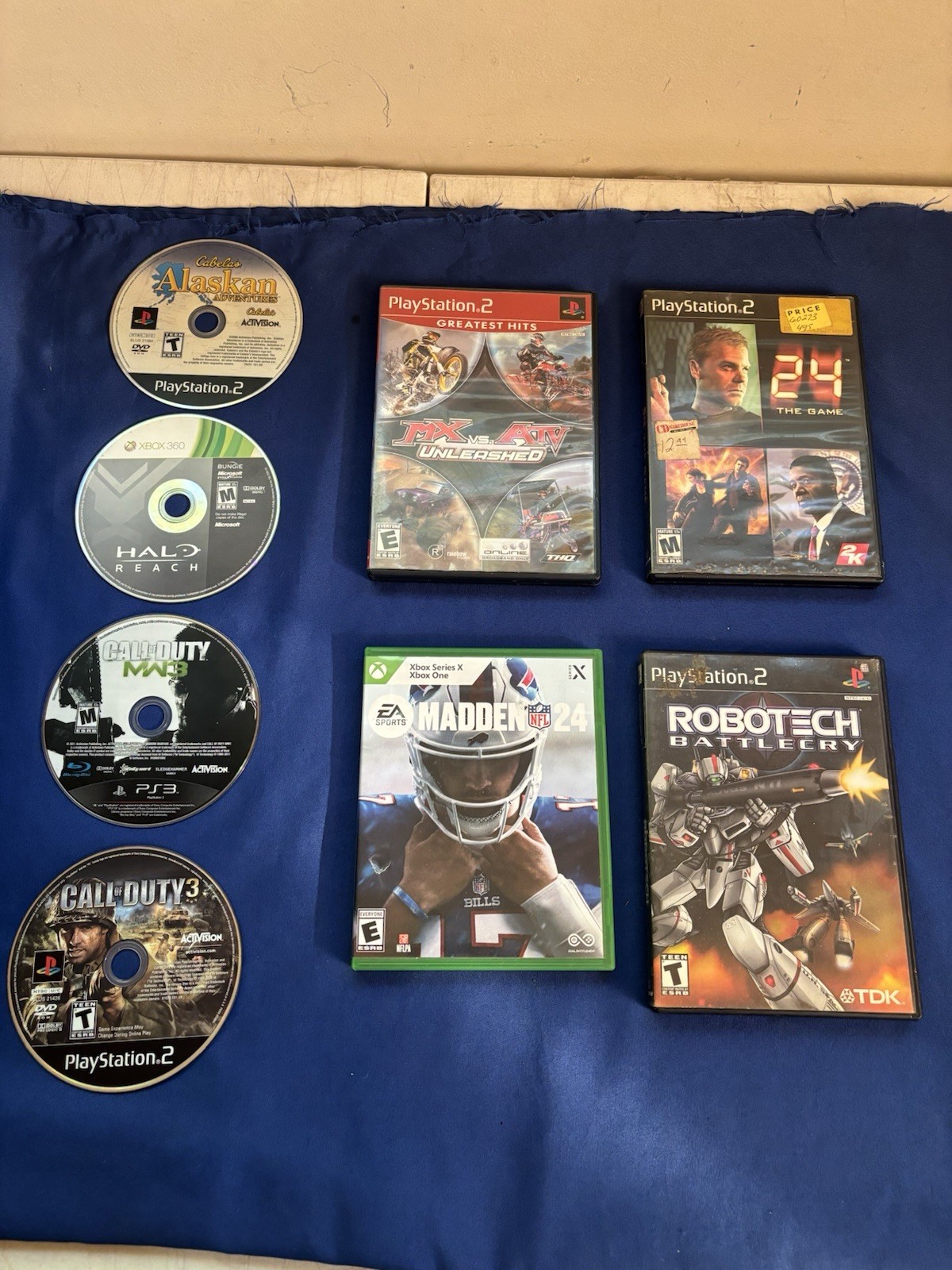


eBay links are affiliate links: JunkPal may earn a commission at no cost to you.
Resale values related to case
Shop case on eBay ↗

![Gladmort [Kickstarter Edition]](/api/images/junkpal-products/games/gladmort-kickstarter-edition-neo-geo-aes-price/img0/thumb.webp)

![Mortal Kombat II [Not for Resale]](/api/images/junkpal-products/games/mortal-kombat-ii-not-for-resale-super-nintendo-price/img0/thumb.webp)
JunkPal may earn a commission when you buy through eBay links, at no extra cost to you.
What’s worth the most
Ranked on medians of real closed eBay sales, not asking prices.