什么是战后?

含义

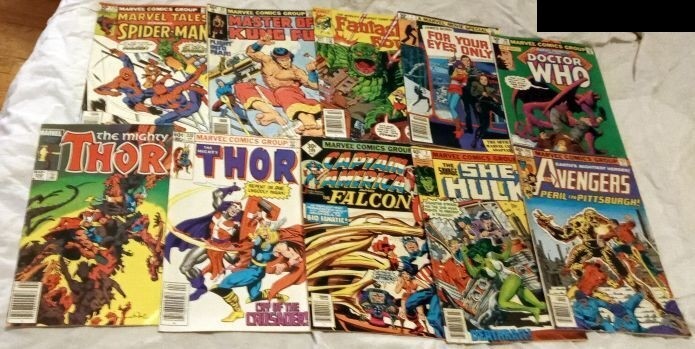
漫画中的“战后”(Post-war)指的是1945年之后出版的材料。早期的战后时期(20世纪40年代末到50年代初)与后期的战后时期(例如50年代的银龄/Silver Age 或70年代的青铜龄/Bronze Age)是不同的。这个术语过于宽泛,无法进行精确估价。早期的战后漫画通常带有战时主题的遗存,或是从战时审查制度中过渡的痕迹。向超级英雄类型的转变,在20世纪50年代末期得到广泛普及,标志着一个重要的收藏阶段。价值的决定因素不是笼统的“战后”标签,而是具体的年代以及相关的编辑趋势(例如黄金时代/Golden Age 的残余影响与银龄的主导地位)。

对价格的影响

由于稀缺性和历史分量,笼统的战后时期相较于现代漫画具有基础溢价。一本保存完好的50年代标准漫画,其价格可能比当代未收藏的同类漫画高出3到10倍,具体取决于角色的知名度。早期的50年代恐怖/犯罪漫画,如果保存状况尚可,由于后续的行业变动和审查制度,其倍数可能超过20倍(相对于散页/loose copies)。相反,后期的、知名度不高的70年代漫画,除非代表某个特定的、公认的子类型里程碑,否则散页价格可能仅为1.5到3倍。一本关键的50年代漫画的CIB (Complete in Box,完整盒装) 版本,很容易达到同类散页价格的5到15倍。

如何识别

主要的识别标志是出版日期和出版商的印记。请查看版权页以确认确切年份。对于早期的战后书籍,请留意特定的印刷方法或纸张特性;这些早期版本纸张的质量衰减非常快。卖家应提供内部页面的高分辨率扫描件,而不仅仅是封面。一个常见的错误是将60年代的漫画错误地标记为“早期战后”。在真正的早期战后时期,假货很少见,但在后期的再版中可能会出现;请留意现代纸张的光泽或墨水密度的不匹配。

明智购买

只有当特定期号是某个主要角色的公认关键期号,或代表了重大的行业变革(例如现代超级英雄原型(archetype)的兴起)时,才值得支付高额溢价。如果这是一本来自不那么知名的出版商的60年代低级别漫画,溢价很可能是虚高的;一个公平的交易要求要价低于同类公认漫画的估计市场价值的4倍。如果卖家无法提供原始印刷版的清晰证据,或者描述含糊不清,那么风险就超过了潜在的收益。

明智出售

上架信息必须超越“战后”。标题必须明确指出年代(例如,“1954年银龄首登”)。强调其历史背景——提及该漫画所反映的类型转变或特定的文化时刻——可以证明溢价的合理性。上架信息中最有价值的元素是版权页的清晰、未经编辑的扫描件,上面显示了确切的日期和出版商印章。这份文件能立即验证物品的来源,并将销售从“复古”提升到“具有历史意义”。

On eBay right now

Current asking prices from live listings — not sold-comp medians.

See all ↗

eBay links are affiliate links: JunkPal may earn a commission at no cost to you.

More Comics terms

1:25 variantThis term refers to a specific print run or edition of a comic book where the artwork or cover design is slightly altered from the standard release. The "1:25" acid burnThis refers to a type of paper degradation where the acidic components within the comic book's paper stock have reacted over time, causing the material to becomacidic paperThis refers to paper that has degraded over time due to chemical reactions, often caused by acidic components in the paper itself or the storage environment. Acage gradeThis refers to the specific grading assigned to a comic book based on its condition, typically using a numerical scale from 0.5 to 10.0, established by professiage specificThis term refers to comics that are specifically targeted toward a particular demographic, such as children, teenagers, or adults. Publishers create these linesalternate coverThis refers to a comic book that has been released with a different cover art than the standard edition. Publishers sometimes create these variations for speciaartist nameThis refers to the credited creator or illustrator of a comic book or graphic novel. For collectors and resellers, the artist's reputation and popularity signifartisteThis term refers to the original artist or creator responsible for the visual design and artwork within a comic book. In the collecting world, the identity of tauction lotAn auction lot is a specific grouping of items presented together for sale in an auction setting. Instead of bidding on individual comics, buyers bid on the entautographedThis refers to a comic book or other collectible item that has been personally signed by the creator, character actor, or relevant figure associated with it. Thback coverThis refers to the reverse side of a comic book's exterior cover. For collectors, the back cover is a crucial area because it often contains important informatibinding integrityThis refers to the physical condition of the comic book's spine and binding, indicating how well the pages are held together. A strong, tight spine suggests theblack and whiteThis refers to the printing style of a comic book, meaning the artwork and ink are rendered using only black and white tones, lacking any color printing. For coboard wearThis refers to the physical signs of handling and use on a comic book, such as scuffs, minor creases, or slight indentations on the cover or interior pages. It
All Comics terms →