What does “board wear” mean?
What it means
Board wear is surface abrasion and cosmetic degradation on a comic book's cover, spine, or interior pages resulting from normal handling, storage, and shelf friction. This includes minor scuffs, light creasing along the edges, slight indentations, and general dulling of the cover gloss. It is distinct from structural damage like tears, spine splits, or significant creases that affect the page integrity. In grading terms, it falls under "wear" and is assessed by professional grading companies (CGC, CBCS) as a specific condition qualifier. Minimal board wear is considered acceptable wear for a high-grade book; heavy board wear indicates significant handling.
What it does to price
Board wear acts as a direct downward modifier on a comic's market value. The severity dictates the grade, which is the primary price driver. A comic graded 9.0 with minimal board wear will sell for substantially more than an identical comic graded 8.0 due to the wear. For a mid-tier book (e.g., a $50 loose copy), moving from Near Mint (minimal wear) to Very Fine (moderate wear) can result in a price drop of 20–35%. Conversely, a book with pristine, unblemished corners and flat surfaces commands the top end of its grade bracket.
How to spot it
Inspect the four corners and the entire perimeter of the book under strong, direct light. Board wear manifests as subtle rubbing or discoloration along the edges, not deep gouges. Check the spine for any faint horizontal lines or scuffing where the comic rested against other books. If purchasing online, request high-resolution photos focusing specifically on the top, bottom, and side edges. A common honest mistake is mistaking light handling creases for structural damage; true board wear is superficial abrasion.
Buying smart
Paying a significant premium for a comic solely to avoid minor board wear is rarely justifiable unless the book is a high-value key issue (e.g., a $500+ book). For lower-tier stock, accept light board wear if the interior pages are clean and the structural integrity is sound. A fair deal involves the price reflecting the *actual* grade. If a seller claims "Near Mint" but the edges show clear scuffing, the asking price is inflated. Target books where the wear is consistent with the stated grade.
Selling smart
When listing, accurately describing the board wear prevents returns and buyer disputes. Use specific, objective language: "Light edge scuffing present," or "Minimal shelf wear noted on corners." If the wear is minor and consistent with the grade, it should not be hidden. The single most effective element in a listing is a clear, well-lit photo of the book's four corners and the spine edge. This visual proof allows the buyer to self-assess the wear level and justifies the price point.
On eBay right now
Current asking prices from live listings — not sold-comp medians.

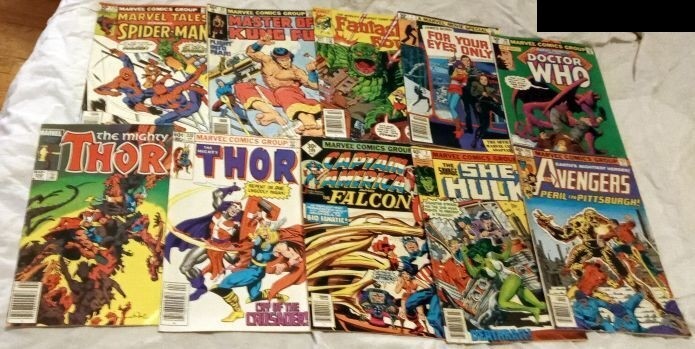


eBay links are affiliate links: JunkPal may earn a commission at no cost to you.