What does “auction lot” mean?
What it means
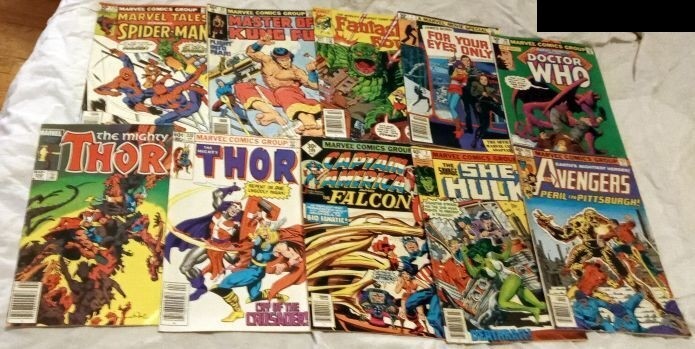
An auction lot is a pre-packaged grouping of one or more comic books offered as a single unit for sale at an auction. This is distinct from selling individual, loose copies. The lot structure is determined by the seller, often grouping issues by character, series, era, or thematic relevance. The mainstream equivalent is a "bundle" or "collection listing," but the auction context implies a competitive, timed bidding environment. The value is derived from the collective market appeal of the entire assemblage, not just the highest-value single item.
What it does to price
The lot format introduces both potential premiums and discounts. A highly curated lot—e.g., a complete, high-grade run of a major title—can command a premium of 1.5x to 3x the sum of the individual component sales, provided the lot is marketed correctly. Conversely, a "bulk lot" of low-demand, damaged issues will see its price suppressed, often fetching only 0.4x to 0.6x the individual component value due to the risk premium buyers assume. For example, a lot containing one CGC 9.0 issue alongside ten damaged $5 books might sell for $150, whereas the CGC issue alone might sell for $120, showing the low-grade components drag the average price down.
How to spot it
The primary tell is the auction house listing format itself, which aggregates multiple SKUs into one lot number. Sellers may list lots vaguely (e.g., "Marvel Back Issues Lot"). To verify contents, always request a detailed inventory list or high-resolution photos of every single item included. Common issues include miscategorization (a high-grade book listed with low-grade fillers) or undisclosed damage on one component. If a lot description states "Near Mint," but the photos show clear spine stress on one book, that discrepancy is a red flag.
Buying smart
Paying a premium for a lot is justified when the grouping offers significant convenience or thematic completeness. This applies when acquiring a complete run where the effort of sourcing each issue individually outweighs the lot premium. A fair deal occurs when the average condition and desirability of the items in the lot support the final bid price. If the lot contains one or two "key" books, the premium is acceptable; if the lot is 90% filler material, the premium is unwarranted.
Selling smart
Listing items as a cohesive lot allows sellers to move inventory faster and attract buyers looking for specific collections rather than single issues. To earn the premium associated with a curated lot, the listing must be exhaustive. The one photo that earns the premium is a clear, high-resolution photograph showing *all* items laid out together, allowing the buyer to visually confirm the scope of the collection. The word "Complete" in the description, when verifiable, signals a premium to serious collectors.
On eBay right now
Current asking prices from live listings — not sold-comp medians.



eBay links are affiliate links: JunkPal may earn a commission at no cost to you.