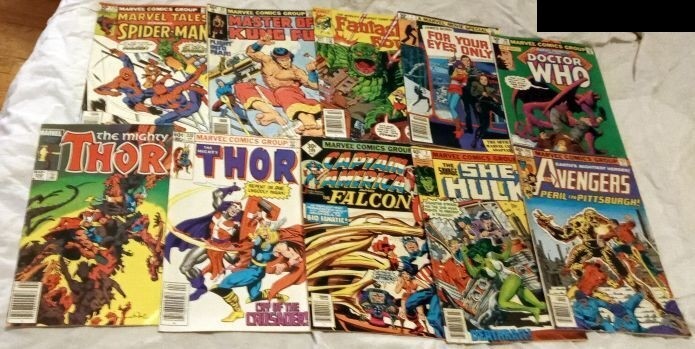
에이지 그레이드란 무엇인가?

의미하는 바

에이지 그레이드는 CGC나 CBCS와 같은 제3자 등급 평가 회사에서 표준화한 만화책의 물리적 상태에 대한 수치적 평가를 의미합니다. 이 수치적 척도는 0.5(Poor)부터 10.0(Gem Mint)까지 범위가 있습니다. 이 등급은 추정치가 아니라, 만화책 보존 상태에 대한 문서화되고 객관적인 평가입니다. 이는 스파인 스트레스, 커버 주름, 내부 얼룩(foxing), 모서리 찍힘 등 구체적인 물리적 결함을 정량화합니다. 리셀러에게 이 등급은 주관적인 의견을 검증 가능한 데이터로 대체해 줍니다. 높은 등급(예: 9.8)은 거의 완벽한 보존 상태를 나타내는 반면, 낮은 등급(예: 3.0)은 상당한 마모와 손상을 의미합니다.

가격에 미치는 영향

에이지 그레이드는 시장 가치의 주요 동인입니다. 등급과 가격의 관계는 선형적이지 않고 기하급수적입니다. Near Mint/Mint (NM/M) 등급(예: 9.0-9.8)의 만화책은 Fine (F) 등급(예: 5.0-6.5)의 동일한 책보다 3배에서 10배 더 높은 가격을 받을 수 있습니다. 예를 들어, 일반적인 Silver Age 핵심 이슈는 VF/NM (8.0) 상태일 때 느슨하게 $800에 팔릴 수 있지만, 동일한 책을 9.6으로 전문적으로 등급을 매기고 실링하면 $4,000에서 $8,000를 요구할 수 있습니다. 작은 등급 차이도 중요합니다. 7.0에서 8.0으로의 상승은 실제 판매 가격을 두 배로 만들 수 있습니다.

확인하는 방법

등급 자체는 등급 평가 회사의 인증 라벨(slab)을 통해서만 검증 가능합니다. 판매자는 책 전체, 특히 스파인, 네 모서리, 그리고 제본 근처의 내부 페이지에 초점을 맞춘 선명하고 고해상도의 사진을 제공해야 합니다. 흔한 오류로는 만화책이 실제로는 "reader-ripped"(페이지가 제거된) 상태인데도 높은 등급을 주장하거나, 등급 평가 서비스에서 크게 감점할 만한 심한 스파인 롤을 보여주는 경우가 있습니다. 등급 *과정*에서 위조품은 드물지만, *라벨링*에서는 흔하므로, 항상 인증 번호를 등급 회사의 온라인 데이터베이스와 대조하여 확인해야 합니다.

현명하게 구매하기

높은 등급에 프리미엄을 지불하는 것은 가치 차이가 상당한 핵심적이거나 수요가 높은 타이틀에 한해서만 정당화됩니다. 흔하거나 하위 등급 캐릭터의 경우, 높은 등급 슬랩의 비용이 잠재적인 이익 마진을 초과하는 경우가 많습니다. 책이 9.8로 등급이 매겨졌다면, 구매자가 보장된 희소성을 구매하는 것이므로 프리미엄은 정당화됩니다. 책이 등급이 매겨지지 않은 경우, 가격은 숨겨진 손상 위험에 대한 할인을 적용한 *최악의 시나리오* 상태를 반영해야 합니다. 등급이 매겨진 책에 대한 공정한 거래란 시장 가치가 슬랩에 제공된 등급과 가깝게 일치하는 것입니다.

현명하게 판매하기

전문 등급이 부착된 만화책을 등록하는 것은 즉시 대중 시장과 분리시킵니다. 이 등급은 진지한 구매자들에게 즉각적인 품질 필터 역할을 합니다. 목록에서 가장 가치 있는 요소는 인증 번호와 등급이 눈에 잘 띄게 표시된 실링된 슬랩의 선명한 사진입니다. "상태가 좋아 보입니다"와 같은 설명 텍스트에 의존하지 마십시오. 슬랩 자체가 설명입니다. 적절하게 등급이 매겨진 책은 판매자가 상태 평가의 위험을 제3자 평가자에게 이전했기 때문에 더 높은 희망 가격을 책정할 수 있습니다.

On eBay right now

Current asking prices from live listings — not sold-comp medians.

See all ↗

eBay links are affiliate links: JunkPal may earn a commission at no cost to you.

More Comics terms

1:25 variantThis term refers to a specific print run or edition of a comic book where the artwork or cover design is slightly altered from the standard release. The "1:25" acid burnThis refers to a type of paper degradation where the acidic components within the comic book's paper stock have reacted over time, causing the material to becomacidic paperThis refers to paper that has degraded over time due to chemical reactions, often caused by acidic components in the paper itself or the storage environment. Acage specificThis term refers to comics that are specifically targeted toward a particular demographic, such as children, teenagers, or adults. Publishers create these linesalternate coverThis refers to a comic book that has been released with a different cover art than the standard edition. Publishers sometimes create these variations for speciaartist nameThis refers to the credited creator or illustrator of a comic book or graphic novel. For collectors and resellers, the artist's reputation and popularity signifartisteThis term refers to the original artist or creator responsible for the visual design and artwork within a comic book. In the collecting world, the identity of tauction lotAn auction lot is a specific grouping of items presented together for sale in an auction setting. Instead of bidding on individual comics, buyers bid on the entautographedThis refers to a comic book or other collectible item that has been personally signed by the creator, character actor, or relevant figure associated with it. Thback coverThis refers to the reverse side of a comic book's exterior cover. For collectors, the back cover is a crucial area because it often contains important informatibinding integrityThis refers to the physical condition of the comic book's spine and binding, indicating how well the pages are held together. A strong, tight spine suggests theblack and whiteThis refers to the printing style of a comic book, meaning the artwork and ink are rendered using only black and white tones, lacking any color printing. For coboard wearThis refers to the physical signs of handling and use on a comic book, such as scuffs, minor creases, or slight indentations on the cover or interior pages. It book conditionThis refers to the overall physical state of a comic book, encompassing factors like spine integrity, cover wear, interior page condition, and any signs of dama
All Comics terms →