シルバーエイジ・バリアントとは?

意味するもの

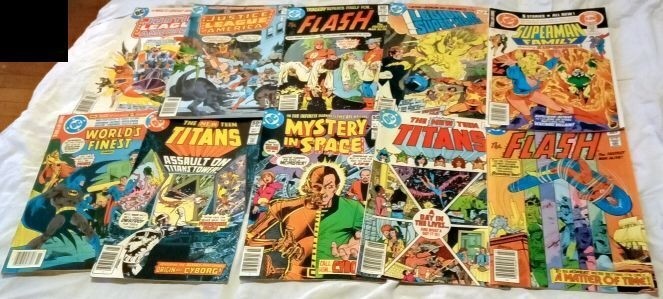
シルバーエイジ・バリアントとは、シルバーエイジ時代(概ね1956年~1970年)のコミックで、最も一般的で標準的な製造ロットから逸脱しているものです。これは再版や印刷ミスではなく、物理的なアイテムにおける意図的または偶発的な違いです。一般的な例としては、異なるカバーの色使い(例:標準の青ではなく黄色いカバー)、内ページレイアウトのバリエーション、または見出しや出版社ロゴの微妙な変更などが挙げられます。収集用語では、これは同じ号番号の複数の異なるバージョンが存在することを意味します。バリアントのステータスは、一般的なコンディション記述ではなく、特定の製造上の特徴です。

価格への影響

バリアントは価格に大きな変動をもたらします。その影響は、特定の変更の希少性と需要に大きく依存します。軽微で容易に再現できる色の違いであれば、標準価格に10~25%上乗せされる程度かもしれません。しかし、真に希少なバリアント—流通からすぐに引き上げられたものや短期間のテストプリントなど—は、本の基本価値に応じて、標準価格の3倍から10倍ものプレミアムを付けることがあります。例えば、標準の50ドルのシルバーエイジ本が、知られていて求められているバリアントであれば150ドルで売れるかもしれませんが、一般的なバリアントでは60ドル程度に留まるかもしれません。

見分ける方法

特定には、既知の製造シートや高解像度の参照画像との詳細な比較が必要です。見分けるポイントは非常に細かいものです。色の彩度、タイトルブロックに使用されている正確なフォント、または特定の内部広告ブロックの有無などを注意深く確認してください。販売者は、カバーと最初の数ページの内部ページの高解像度でトリミングされていない写真を提示する必要があります。よくある落とし穴としては、販売者が標準号をバリアントだと誤ってラベル付けすることや、公式にバリアントとして認識されていない「工場エラー」の存在が挙げられます。主張されているバリアントの種類は、必ずその特定のタイトルの確立されたグレーディングガイドと照合してください。

賢い購入

バリアントに対してプレミアムを支払うのは、そのバリアントが真に希少であると文書化されており、本の基本コンディションが高い場合(例:Near Mint以上)にのみ正当化されます。バリアントが一般的であるか、違いが取るに足らない場合(例:わずかなインクのにじみ)は、プレミアムは不当です。公正な取引とは、バリアントが希少であることが確認されている場合、提示価格が標準印刷の確立された価値の1.5倍から2倍の範囲内であることです。明確で検証可能な来歴がない状態で価格が標準価値の3倍を超える場合、リスクが高すぎます。

賢い販売

バリアントを正しくリストアップすることが、販売価格を上げるための主要な要因です。説明文には、バリアントの種類を明示的に記載する必要があります(例:「オレンジカバーバリアント」、「アーリープリンティングバリアント」)。リストの中で最も価値のある資産は、その特定の違いを際立たせた鮮明で高解像度の写真です—異なる色のクローズアップやユニークなインプリントなどです。「バリアント」とだけ記述するのは不十分です。特定の製造上の逸脱を名指しすることで、購入者はその希少性を即座に判断し、より高い提示価格を正当化できるようになります。

On eBay right now

Current asking prices from live listings — not sold-comp medians.

See all ↗

eBay links are affiliate links: JunkPal may earn a commission at no cost to you.

More Comics terms

1:25 variantThis term refers to a specific print run or edition of a comic book where the artwork or cover design is slightly altered from the standard release. The "1:25" acid burnThis refers to a type of paper degradation where the acidic components within the comic book's paper stock have reacted over time, causing the material to becomacidic paperThis refers to paper that has degraded over time due to chemical reactions, often caused by acidic components in the paper itself or the storage environment. Acage gradeThis refers to the specific grading assigned to a comic book based on its condition, typically using a numerical scale from 0.5 to 10.0, established by professiage specificThis term refers to comics that are specifically targeted toward a particular demographic, such as children, teenagers, or adults. Publishers create these linesalternate coverThis refers to a comic book that has been released with a different cover art than the standard edition. Publishers sometimes create these variations for speciaartist nameThis refers to the credited creator or illustrator of a comic book or graphic novel. For collectors and resellers, the artist's reputation and popularity signifartisteThis term refers to the original artist or creator responsible for the visual design and artwork within a comic book. In the collecting world, the identity of tauction lotAn auction lot is a specific grouping of items presented together for sale in an auction setting. Instead of bidding on individual comics, buyers bid on the entautographedThis refers to a comic book or other collectible item that has been personally signed by the creator, character actor, or relevant figure associated with it. Thback coverThis refers to the reverse side of a comic book's exterior cover. For collectors, the back cover is a crucial area because it often contains important informatibinding integrityThis refers to the physical condition of the comic book's spine and binding, indicating how well the pages are held together. A strong, tight spine suggests theblack and whiteThis refers to the printing style of a comic book, meaning the artwork and ink are rendered using only black and white tones, lacking any color printing. For coboard wearThis refers to the physical signs of handling and use on a comic book, such as scuffs, minor creases, or slight indentations on the cover or interior pages. It
All Comics terms →