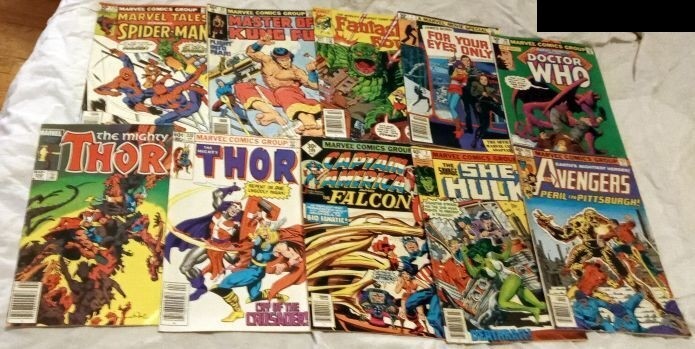
印刷上の欠陥とは?

意味するもの

印刷上の欠陥とは、コミックの製造工程に起因する物理的な欠陥のことです。これらは、しわや破れといった取り扱いによるダメージではなく、印刷そのものに内在するものです。具体例としては、ドットゲイン(網点(halftone dots)が意図したサイズを超えて広がる現象)、インクのにじみ(インクが紙の繊維に広がる現象)、色の位置ずれ(異なるカラープレートが完全に一致しないこと)、汚れ、または版の摩耗の跡などがあります。グレーディングの観点からは、これらは表面上の欠陥と見なされます。これらは、取り扱いの摩耗とは異なり、印刷されたページ固有の永続的な特徴です。

価格への影響

欠陥の存在は、グレードを直接的に下げ、それが価値を決定します。印刷上の欠陥がある場合、同じ本でも、9.8 (Near Mint/Mint) のグレードと 8.0 のグレードでは、価格に大きな差が出ます。高グレードのブックの場合、目立つ単一の欠陥で最終グレードが0.5ポイント以上下がる可能性があり、本の希少性に応じて20%から40%の価格下落につながることがあります。逆に、一般的な本に非常に軽微でほとんど見えない欠陥がある場合、価格は$5~$10程度しか下がりません。高額なキーイシューの場合、目に見える欠陥は市場価値を$500以上も下げる可能性があります。

見分け方

欠陥は、直接的で明るい光の下、できれば表面の質感を捉えるように角度をつけた光の下で確認するのが最適です。マルチカラーのパネルでは、色の分離(color separation)を確認して位置ずれがないかチェックします。均一な黒い部分を調べ、ドットゲインやインクの飽和の問題がないか確認します。オンラインで査定する場合、色やインクが濃くかかっている部分については、高解像度の接写写真を要求してください。よくある間違いとして、筋状やまだら模様に見える版の摩耗と、通常は孤立したドットや位置ずれである本物の印刷エラーを区別する必要があります。偽物は稀であり、ほとんどの欠陥は正直な製造上のミスです。

賢い購入方法

単に「欠陥がない」という理由だけでプレミアムを支払うのは、その本が極めて高グレード(9.6+)で、欠陥が微視的(microscopically small)な場合に限って正当化されます。欠陥が大きい、または目に見える場合は、単体(loose)で購入するリスクを考慮すると、割引が妥当な場合が多いです。本が低~中グレード(例:6.0~8.0)の場合は、軽微な欠陥の存在は予想されるものであり、価格上昇の理由にはなりません。公正な取引とは、目に見える欠陥を考慮に入れたものです。もし販売者が本を新品同様(pristine)として提示しているのに、明確なドットゲインが見られる場合、価格は高すぎます。

賢い販売方法

販売する際には、印刷上の欠陥について透明性が求められ、最高額を得るためには不可欠です。隠そうとしないでください。本がグレーディングされている場合、そのグレードは欠陥を反映しています。単体で販売する場合は、目立つ印刷上の欠陥を具体的に示す、明るく鮮明な写真を撮りましょう。リスティングの説明文では、正確な専門用語を使用することが重要です。「12ページに軽微なドットゲインが見られます」という表現は、「印刷上の問題がいくつかあります」と言うよりも優れています。欠陥が軽微で局所的であることを証明できれば、単に「状態が悪い」と記載するよりも高い価格を要求できます。

On eBay right now

Current asking prices from live listings — not sold-comp medians.

See all ↗

eBay links are affiliate links: JunkPal may earn a commission at no cost to you.

More Comics terms

1:25 variantThis term refers to a specific print run or edition of a comic book where the artwork or cover design is slightly altered from the standard release. The "1:25" acid burnThis refers to a type of paper degradation where the acidic components within the comic book's paper stock have reacted over time, causing the material to becomacidic paperThis refers to paper that has degraded over time due to chemical reactions, often caused by acidic components in the paper itself or the storage environment. Acage gradeThis refers to the specific grading assigned to a comic book based on its condition, typically using a numerical scale from 0.5 to 10.0, established by professiage specificThis term refers to comics that are specifically targeted toward a particular demographic, such as children, teenagers, or adults. Publishers create these linesalternate coverThis refers to a comic book that has been released with a different cover art than the standard edition. Publishers sometimes create these variations for speciaartist nameThis refers to the credited creator or illustrator of a comic book or graphic novel. For collectors and resellers, the artist's reputation and popularity signifartisteThis term refers to the original artist or creator responsible for the visual design and artwork within a comic book. In the collecting world, the identity of tauction lotAn auction lot is a specific grouping of items presented together for sale in an auction setting. Instead of bidding on individual comics, buyers bid on the entautographedThis refers to a comic book or other collectible item that has been personally signed by the creator, character actor, or relevant figure associated with it. Thback coverThis refers to the reverse side of a comic book's exterior cover. For collectors, the back cover is a crucial area because it often contains important informatibinding integrityThis refers to the physical condition of the comic book's spine and binding, indicating how well the pages are held together. A strong, tight spine suggests theblack and whiteThis refers to the printing style of a comic book, meaning the artwork and ink are rendered using only black and white tones, lacking any color printing. For coboard wearThis refers to the physical signs of handling and use on a comic book, such as scuffs, minor creases, or slight indentations on the cover or interior pages. It
All Comics terms →