ブックスキャンとは?

意味するもの

「ブックスキャン」とは、コミックの物理的な実物ではなく、そのデジタル複製を指します。この用語はデジタルメディアの分野で使われますが、物理的な収集市場においては非物理的な資産を指します。再販業者にとって、スキャンは単なる参照資料や内容の証明にすぎません。真の収集品は、印刷され製本された実物です。価値は、デジタルファイルの忠実度ではなく、物理的な本の状態、印刷品質、希少性に完全に依存します。

価格への影響

ブックスキャンは、収集品としての本質的な再販価値はゼロです。その価格は、収集品としてのステータスではなく、その有用性によって決まります。もし販売者が物理的な本をリストアップしているにもかかわらず、それを「スキャン」と呼んでいる場合(デジタル配信を暗示している場合)、購入者はデジタルファイルを期待するため、価格はほぼゼロに下がります。リストが物理的な本を対象としている場合、販売者が提供するスキャンの品質(例:高解像度か、ぼやけた携帯電話の写真か)は、最終的な販売価格には関係ありません。高グレードで物理的に存在するコピーは、グレーディング基準(例:CGC/CBCS)に基づいた価格がつくのに対し、デジタルファイルのみのものは、コンテンツの希少性に応じて$1から$10程度で取引される可能性があります。

見分ける方法

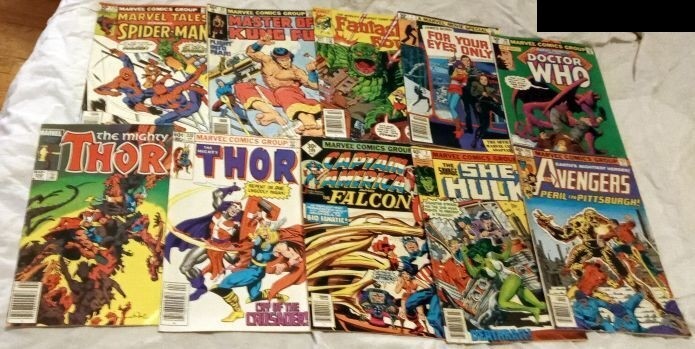
主な見分け方は、交換の媒体です。取引が完全にデジタルである場合(例:メールやクラウドリンク経由でのファイル転送)、それはスキャンです。販売者が実際の本の写真(背表紙の摩耗、表紙の質感、角の傷など)を提供している場合は、それは物理的なアイテムです。物理的な本の状態を説明する際に「スキャン」という言葉を使うリスト(例:「スキャン状態」)には注意してください。これは通常、「かなり傷んでいる」または「Poor」の誤った表現です。資金を投じる前に、本の外装と内側のページの鮮明で編集されていない写真を必ず要求してください。

賢い購入方法

ブックスキャンにプレミアムを支払うのは、購入者が個人的なアーカイブ、研究、または即時読書のためにデジタルコンテンツを必要としており、物理的な本が入手不可能または高すぎる場合にのみ正当化されます。投資やコレクション構築が目的である場合、スキャンは決して正しい購入ではありません。物理的なコピーの公正な取引には、販売者が記載されたグレードに一致する、高品質で検証可能な画像を提供することが必要です。販売者が本の実際の物理的な状態を示す鮮明な写真を提供できない場合、真剣なコレクターにとってはリスクが高すぎます。

賢い販売方法

物理的な本を販売する場合、リスティングにはそのアイテムが実物であることを明記しなければなりません。販売者がリスティングの写真に高品質なスキャンを含める場合、これは本の状態の視覚的な確認となり、購入者の信頼を高め、より高い価格を正当化します。販売者がデジタルファイルのみを販売している場合は、説明文に「PDF」「デジタルファイル」「スキャン」といった用語を使用し、価格が物理的な資産の欠如を反映している必要があります。デジタルファイルを物理的なアイテムとして誤って表示すると、即座に購入者との紛争やネガティブなフィードバックにつながります。

On eBay right now

Current asking prices from live listings — not sold-comp medians.

See all ↗

eBay links are affiliate links: JunkPal may earn a commission at no cost to you.

More Comics terms

1:25 variantThis term refers to a specific print run or edition of a comic book where the artwork or cover design is slightly altered from the standard release. The "1:25" acid burnThis refers to a type of paper degradation where the acidic components within the comic book's paper stock have reacted over time, causing the material to becomacidic paperThis refers to paper that has degraded over time due to chemical reactions, often caused by acidic components in the paper itself or the storage environment. Acage gradeThis refers to the specific grading assigned to a comic book based on its condition, typically using a numerical scale from 0.5 to 10.0, established by professiage specificThis term refers to comics that are specifically targeted toward a particular demographic, such as children, teenagers, or adults. Publishers create these linesalternate coverThis refers to a comic book that has been released with a different cover art than the standard edition. Publishers sometimes create these variations for speciaartist nameThis refers to the credited creator or illustrator of a comic book or graphic novel. For collectors and resellers, the artist's reputation and popularity signifartisteThis term refers to the original artist or creator responsible for the visual design and artwork within a comic book. In the collecting world, the identity of tauction lotAn auction lot is a specific grouping of items presented together for sale in an auction setting. Instead of bidding on individual comics, buyers bid on the entautographedThis refers to a comic book or other collectible item that has been personally signed by the creator, character actor, or relevant figure associated with it. Thback coverThis refers to the reverse side of a comic book's exterior cover. For collectors, the back cover is a crucial area because it often contains important informatibinding integrityThis refers to the physical condition of the comic book's spine and binding, indicating how well the pages are held together. A strong, tight spine suggests theblack and whiteThis refers to the printing style of a comic book, meaning the artwork and ink are rendered using only black and white tones, lacking any color printing. For coboard wearThis refers to the physical signs of handling and use on a comic book, such as scuffs, minor creases, or slight indentations on the cover or interior pages. It
All Comics terms →