エイジグレードとは?

意味するもの

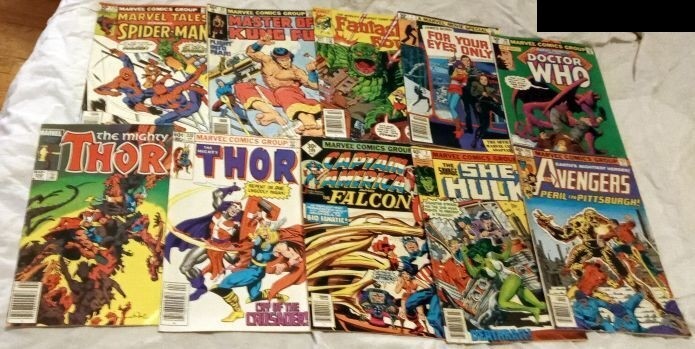
エイジグレードとは、CGCやCBCSといった第三者鑑定会社によって標準化された、コミックの物理的状態に関する数値評価を指します。この数値スケールは0.5(Poor)から10.0(Gem Mint)まであります。このグレードは単なる推定ではなく、コミックの保存状態に関する文書化された客観的な評価です。背表紙のストレス、表紙のしわ、内部のシミ(foxing)、角の傷みなど、特定の物理的欠陥を定量化します。再販者にとって、このグレードは主観的な意見を検証可能なデータに置き換えるものです。高いグレード(例:9.8)はほぼ完璧な保存状態を示し、低いグレード(例:3.0)はかなりの摩耗や損傷を示します。

価格への影響

エイジグレードは市場価値の主要な決定要因です。グレードと価格の関係は線形ではなく、指数関数的です。Near Mint/Mint (NM/M) グレード(例:9.0-9.8)のコミックは、Fine (F) グレード(例:5.0-6.5)の同じ本と比較して、3倍から10倍の価格になることがあります。例えば、標準的なSilver Ageのキー発行号がVF/NM (8.0) の状態でバラで$800で売れるかもしれませんが、同じ本が9.6で専門的に鑑定されスラブ化されていれば、$4,000から$8,000を要求できます。わずかなグレードの違いが重要です。7.0から8.0へのジャンプだけで、実現可能な販売価格が倍になることもあります。

見分ける方法

グレードそのものは、鑑定会社の認証ラベル(slab)によってのみ検証可能です。販売者は、背表紙、四隅すべて、そして特に綴じ目付近の内部ページに焦点を当てた、クリアで高解像度の写真を提供しなければなりません。よくある間違いには、コミックが実際には「reader-ripped」(ページが抜かれている)であるにもかかわらず高いグレードを主張するケースや、鑑定サービスが重くペナルティを課すような著しい背表紙の反りを見せるケースがあります。鑑定の*プロセス*で偽造品が出ることは稀ですが、*ラベル付け*で偽造品が出回ることがあります。必ず認証番号を鑑定会社のオンラインデータベースと照合してください。

賢い購入

高いグレードに対してプレミアムを支払うのは、価値の差が著しいキーとなる需要の高いタイトルに限って正当化されます。一般的、または低ランクのキャラクターの場合、高グレードスラブのコストは潜在的な利益を上回ることが多いです。本が9.8で鑑定されている場合、購入者は保証された希少性を購入しているため、プレミアムは正当化されます。本が未鑑定の場合、価格は*最悪のケース*のコンディションを反映し、隠れた損傷のリスクに対する割引を考慮に入れるべきです。鑑定済み書籍の公正な取引とは、市場価値がスラブに記載されたグレードと密接に一致している状態を指します。

賢い販売

専門的なグレードが付いたコミックをリストに載せるだけで、それはすぐに一般市場から区別されます。このグレードは、真剣なバイヤーにとって即座の品質フィルターとして機能します。リストの中で最も価値のある要素は、認証番号とグレードが目立つように表示された、スラブ化された本の鮮明な写真です。「状態が良いように見える」といった説明文に頼らないでください。スラブこそが説明そのものです。適切に鑑定された本は、販売者が状態評価のリスクを第三者鑑定者に移譲しているため、より高い希望価格を設定できます。

On eBay right now

Current asking prices from live listings — not sold-comp medians.

See all ↗

eBay links are affiliate links: JunkPal may earn a commission at no cost to you.

More Comics terms

1:25 variantThis term refers to a specific print run or edition of a comic book where the artwork or cover design is slightly altered from the standard release. The "1:25" acid burnThis refers to a type of paper degradation where the acidic components within the comic book's paper stock have reacted over time, causing the material to becomacidic paperThis refers to paper that has degraded over time due to chemical reactions, often caused by acidic components in the paper itself or the storage environment. Acage specificThis term refers to comics that are specifically targeted toward a particular demographic, such as children, teenagers, or adults. Publishers create these linesalternate coverThis refers to a comic book that has been released with a different cover art than the standard edition. Publishers sometimes create these variations for speciaartist nameThis refers to the credited creator or illustrator of a comic book or graphic novel. For collectors and resellers, the artist's reputation and popularity signifartisteThis term refers to the original artist or creator responsible for the visual design and artwork within a comic book. In the collecting world, the identity of tauction lotAn auction lot is a specific grouping of items presented together for sale in an auction setting. Instead of bidding on individual comics, buyers bid on the entautographedThis refers to a comic book or other collectible item that has been personally signed by the creator, character actor, or relevant figure associated with it. Thback coverThis refers to the reverse side of a comic book's exterior cover. For collectors, the back cover is a crucial area because it often contains important informatibinding integrityThis refers to the physical condition of the comic book's spine and binding, indicating how well the pages are held together. A strong, tight spine suggests theblack and whiteThis refers to the printing style of a comic book, meaning the artwork and ink are rendered using only black and white tones, lacking any color printing. For coboard wearThis refers to the physical signs of handling and use on a comic book, such as scuffs, minor creases, or slight indentations on the cover or interior pages. It book conditionThis refers to the overall physical state of a comic book, encompassing factors like spine integrity, cover wear, interior page condition, and any signs of dama
All Comics terms →